Southwestern Colorado Flood Recovery: What to Do While Roads Are Still Cut Of
southwestern Colorado flood recovery

By Chad T. Wilson Law Firm Staff — based on reporting by Denver7 (KMGH), October 23, 2026. Read the original reporting here.

Southwestern Colorado flood recovery is now the hard, quiet work that follows the headlines. After the October 2026 floods tore through Archuleta County and the Pagosa Springs area, the river has fallen back below flood stage, but the damage it left behind has not drained away with it. Some residents remain cut off by washed-out roads, and for homeowners and business owners, the recovery phase is exactly when a property insurance claim needs the most care. What you preserve today, before cleanup begins, can steady your claim for the months of rebuilding ahead.

Key Takeaways

  • At the peak, about 100 people were cut off by washed-out roads in the Archuleta County area, with officials reporting them safe but landlocked.
  • The river crested in the early morning hours of Friday, October 23, 2026, at more than a dozen feet, cutting roads at culverts and collapsing at least one roadway.
  • Even as water levels fall, access delays can hold up mitigation, inspections, additional living expenses, and business interruption documentation.
  • Preserve closure notices, contractor communications, receipts, moisture readings, and photographs before you discard anything.
  • Archuleta County’s October flood Crisis Cleanup hotline is 970-283-7325 for help connecting with recovery resources.

Where Things Stand

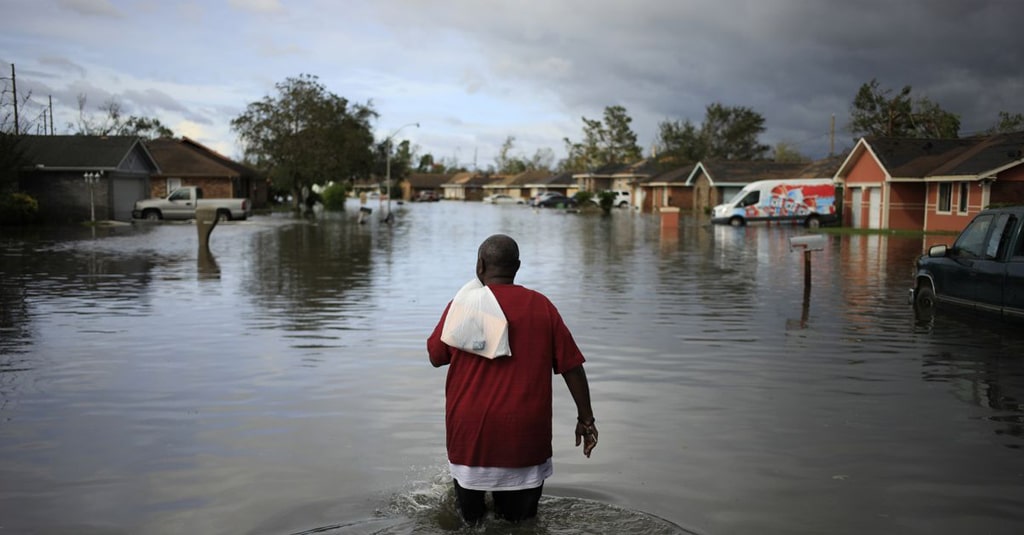
The flooding peaked in the early morning hours of Friday, October 23, when the river rose to more than a dozen feet, with most of the high water arriving in the dark. Roads were cut where water ran over culverts for 12 to 16 hours, at least one roadway collapsed, and Wolf Creek Pass closed. Crews staged aircraft and swift-water resources, and a Red Cross shelter opened at the Pagosa Lakes Property Association. Since then, the San Juan River at Pagosa Springs has fallen below flood stage and some routes, including U.S. 160 between Pagosa Springs and Durango, have reopened, but the Archuleta County Sheriff has been plain that recovery will be long, and more rain is in the forecast over already-saturated ground.

Why Southwestern Colorado Flood Recovery Is Its Own Claims Challenge

A falling river lowers the immediate danger, but it does not end the claim problems — in many ways it begins them. When roads are still cut off, adjusters and contractors cannot easily reach a property, so inspections slip, drying is delayed, and mold and secondary damage have time to set in. Mountain properties often carry risks a city claim never sees: damaged private wells, failed septic systems, washed-out driveways and culverts, detached garages and outbuildings, and utilities that take weeks to restore. Each of these may be treated differently under your policy, and each deserves its own clear record.

If your home is uninhabitable, your policy may include additional living expenses to cover temporary housing and related costs. If you run a business that was forced to close or cut off from customers, business interruption coverage may apply. These are easy to overlook in the rush to clean up, and they are far harder to claim after the receipts are gone. Keep a running log of every displacement cost and every day your business could not operate normally.

Document Before You Dispose

The single most valuable habit in southwestern Colorado flood recovery is simple: document before you dispose. Photograph and video everything while it still shows the damage — water lines on walls, saturated flooring, ruined appliances and belongings, and the condition of outbuildings, wells, and septic components. Save road-closure notices and detour orders, because they prove why access and mitigation were delayed. Keep moisture readings if a restoration company takes them, and hold on to every contractor estimate, invoice, and text thread. Before you throw out a damaged item, make sure it has been photographed and, where practical, set aside for inspection. A claim built on a complete record is a claim that is hard to lowball.

If Your Claim Was Denied, Delayed, or Underpaid

Denied, delayed, or underpaid? After a disaster of this size, overwhelmed carriers sometimes move slowly, dispute the cause of a loss, or offer far less than the true cost to rebuild. If that happens, stay organized rather than discouraged: keep your policy and endorsements close, ask the insurer to put its coverage position in writing, gather independent repair and replacement estimates, and note the names and dates of every conversation. You have the right to question a denial, to seek a second opinion on the value of your loss, and to be paid what your policy actually promises.

How Chad T. Wilson Law Firm Can Help

Chad T. Wilson Law Firm represents policyholders — not insurance companies — and has resolved more than 6,000 property insurance claims for families and businesses. Our team can review your policy, help you organize and document the full scope of your water damage claims, and push for the complete, fair payment your coverage promises. As a policyholder-focused property damage lawyer, we work on contingency: no recovery, no fee. Headquartered in Webster, Texas, we represent policyholders nationwide, including throughout Colorado. If your claim was denied, delayed, or underpaid, call (833) 942-0678 and let us help you chart the course forward.

Practice Areas

  • Water damage claims
  • Storm damage claims
  • Denied property insurance claims
  • Delayed and underpaid claims
  • Bad faith insurance disputes

This article is for general informational purposes only and is not legal advice. Coverage depends on the specific terms of your policy and the facts of your loss; no outcome is guaranteed. Please consult a qualified attorney about your individual situation.

Sources: Denver7 (KMGH) — Flooding strands dozens in Archuleta County (Oct. 23, 2026); Colorado Public Radio — Heavy rains in southwest Colorado swell rivers (Oct. 22, 2026); Archuleta County — Flood response and cleanup information
South Florida King Tide Flood Damage Is Already on the Streets

South Florida king tide flood damage

By Chad T. Wilson Law Firm Staff — based on public advisories from the National Weather Service and the City of Fort Lauderdale, October 27, 2026. Read the original reporting here.

South Florida king tide flood damage is no longer a forecast on a screen — it is on the ground. On Monday, October 26, 2026, seawater pushed over seawalls and into low-lying streets from Palm Beach County down to the upper Florida Keys, and forecasters warn the water could rise again as tides cycle through midweek. If you own a home, a condo, or a business along the coast, the quiet hours after the water recedes are often when a property insurance claim is quietly won or lost. What you document now can matter for months.

Key Takeaways

  • A National Weather Service Coastal Flood Warning covers Palm Beach County through the upper Florida Keys, driven by king tides, strong onshore winds, and passing downpours.
  • In the South Port Everglades area, water reached roughly 2.25 feet above normally dry ground on October 26 — higher than levels recorded during Hurricane Nicole in 2022.
  • The source of the water — tidal flooding, wind-driven rain, or drain backup — often decides which policy and coverage apply, so documenting it carefully matters.
  • Saltwater can keep damaging vehicles, electrical systems, and building components long after the streets drain and the sky clears.
  • Photograph water lines, note the exact time and weather conditions, and keep every receipt before you clean up or throw anything away.

What the National Weather Service Is Reporting

The National Weather Service has a Coastal Flood Warning in effect from Palm Beach County down to the upper Keys, including West Palm Beach, Fort Lauderdale, Miami, and Homestead, with a separate advisory for the middle and lower Keys. Northeast winds have been sustained at 20 to 25 mph with gusts near 40 mph, strong enough to shove seawater over seawalls and into streets that sit only a foot or two above the tide line. Fort Lauderdale officials reported that municipal pumps could not clear some roads because ocean levels were simply too high to push against.

The reach of this South Florida king tide flood damage is wide. Water crossed Collins Avenue in Miami Beach, pooled on the 79th Street Causeway near North Bay Village, and washed over the Hollywood Beach Broadwalk. In Martin County, roads near Palm City went underwater and the sheriff’s office staged high-water rescue vehicles. The Juno Beach Pier closed indefinitely after surf and wind popped out more than a dozen deck panels. Forecasters expect the king tide period to continue into November, so the risk is not over when today’s tide falls.

Why the Source of the Water Matters for Your Claim

Here is the straight truth: not all water is treated the same by an insurance policy. Rising tidal water and storm surge are generally handled under separate flood coverage — often a National Flood Insurance Program or private flood policy — rather than a standard homeowners policy. Wind-driven rain that enters through a wind-created opening may fall under a homeowners or windstorm policy. Drain or sewer backup is frequently its own endorsement. Saltwater that ruins a car is usually a question for comprehensive auto coverage, not the homeowners policy at all.

That is why the humble photograph is your best friend right now. Record where the water came from, the direction it moved, the time it entered relative to the high tide and any rainfall, and how deep it rose against a wall or door frame. A clear, time-stamped record of the water’s source and depth can be the difference between a covered loss and a denied one — and it is far easier to gather today than to reconstruct months from now.

Saltwater Damage Often Shows Up Late

Coastal flooding carries a hidden current: saltwater corrosion. A vehicle that started fine may develop electrical faults weeks later. Air-conditioning units, pool equipment, electrical panels, and the lower reaches of drywall can degrade slowly after saltwater contact, and commercial inventory stored at floor level can be a quiet total loss. Document saltwater contact even where nothing looks broken yet, keep damaged items until they are inspected when it is safe to do so, and save receipts for towing, transport, drying, and emergency mitigation. Above all, do not drive through flooded roadways — moving water hides depth, current, and cost.

If Your Claim Was Denied, Delayed, or Underpaid

Denied, delayed, or underpaid? It happens more often than it should after a flood event, and it is not the end of the road. If a carrier blames the wrong water source, drags out the inspection while mitigation delays stack up, or offers far less than the repair reality, keep a calm, complete file: the policy and any endorsements, every piece of correspondence, your own photographs and timeline, independent repair estimates, and notes of each phone call with names and dates. You are allowed to ask the insurer to explain its position in writing, and you are allowed to get a second opinion before you accept a final number.

How Chad T. Wilson Law Firm Can Help

Chad T. Wilson Law Firm represents policyholders — never insurance companies — and has resolved more than 6,000 property insurance claims for homeowners and businesses. Our team can review your policy, help you distinguish and document the source of your water damage claims, and press for the full, fair payment your coverage promises. As a policyholder-focused property damage lawyer, we work on contingency: no recovery, no fee. Headquartered in Webster, Texas, we represent policyholders nationwide, including throughout Florida. If your claim was denied, delayed, or underpaid, call (833) 942-0678 for a steady hand and a straight answer.

Practice Areas

  • Water damage claims
  • Storm and hurricane damage claims
  • Denied property insurance claims
  • Delayed and underpaid claims
  • Bad faith insurance disputes

This article is for general informational purposes only and is not legal advice. Coverage depends on the specific terms of your policy and the facts of your loss; no outcome is guaranteed. Please consult a qualified attorney about your individual situation.

Sources: National Weather Service, Miami; City of Fort Lauderdale — King Tides and High Tides; Time News — South Florida Faces Coastal Flooding From King Tides and Winds (Oct. 27, 2026)

Northwest Florida Flash Flood Damage: What Property Owners Should Document Now

Northwest Florida flash flood damage

By Chad T. Wilson Law Firm Staff — based on reporting by FOX10 News and the National Weather Service in Mobile, October 5, 2026. Read the original reporting here.

If you own a home or business along the Emerald Coast, the morning of October 5, 2026 brought a fast-moving problem: Northwest Florida flash flood damage spreading across Destin, Fort Walton Beach, and the surrounding Okaloosa County communities. The National Weather Service in Mobile issued a Flash Flood Warning at 5:45 a.m. CDT for southern Okaloosa and southeastern Santa Rosa Counties, with two to three inches of rain already down and more still falling. When water rises this quickly, the steps you take in the first hours — before cleanup begins — often matter more to an insurance claim than anything that happens later.

Key Takeaways

  • NWS Mobile issued a Flash Flood Warning on October 5, 2026 for southern Okaloosa and southeastern Santa Rosa Counties, with 2–3 inches of rain already fallen and 1–2 more inches possible.
  • Threatened areas included Destin, Fort Walton Beach, Niceville, Navarre, Eglin AFB, Mary Esther, Shalimar, and Valparaiso.
  • Florida 511 listed a major incident closing eastbound U.S. 98 near Santa Rosa Boulevard; the cause has not been officially confirmed as flooding.
  • Standard homeowners and commercial policies often do not cover surface-water flooding — flood coverage through the NFIP or a private flood policy is usually separate.
  • Photograph water lines, affected rooms, and points of entry before cleanup, and keep every receipt and notice tied to the loss.

What the National Weather Service Reported

According to the Flash Flood Warning issued by NWS Mobile, thunderstorms producing heavy rain around Destin and Okaloosa Island had already dropped two to three inches by 5:45 a.m. CDT, with another one to two inches possible in the warned area. Forecasters warned of flash flooding of small creeks and streams, urban areas, highways, streets, underpasses, and other poor-drainage and low-lying locations. Threatened communities named in the warning included Wright, Fort Walton Beach, Niceville, Destin, Eglin AFB, Valparaiso, Mary Esther, Ocean City, Lake Lorraine, and Navarre.

Florida 511 also listed a major incident closing all eastbound lanes of U.S. 98 near Santa Rosa Boulevard in Okaloosa County that morning. The closure is confirmed, but its precise cause has not been officially attributed to flooding, and we are careful not to assume one. A warning covering your area does not, by itself, establish that your specific address was damaged — that is a question of fact that documentation answers.

Why Northwest Florida Flash Flood Damage Is Different for Policyholders

Flooding is one of the trickier losses in property insurance, because not all water is treated the same way under a policy. Surface water that rises and enters a building is generally handled under flood coverage — the National Flood Insurance Program or a private flood policy — rather than a standard homeowners or commercial policy. But water that enters through a wind-created opening, wind-driven rain through a compromised roof or window, or a drainage or sewer backup can fall under different provisions entirely. One storm can produce several of these at once.

That is why keeping your bearings early matters. The goal in the first days is not to argue coverage — it is to preserve a clear, honest record so that the right coverage can be identified later. Separate the sources of water, note the time water entered, and document the condition of the roof, windows, and doors if you can do so safely.

What to Document Right Now

When it is safe to do so — never enter floodwater and never drive around barricades — take photographs and video of water lines on walls and furniture, every affected room, damaged contents, the exterior drainage conditions around the structure, and the apparent point where water entered. Build a room-by-room inventory of damaged belongings. Save weather alerts and road-closure notices, contractor and adjuster communications, lodging and mitigation receipts, and, for businesses, payroll and revenue records that show the interruption. Begin reasonable mitigation to prevent further damage, and keep the receipts for that work; most policies expect you to protect the property but will consider those costs.

Monitored risk — Gulf disturbance. As of the morning of October 5, the National Hurricane Center gave a trough in the southwestern Gulf a 10% chance of development through 48 hours and a 70% chance over seven days, with possible tropical-depression formation later in the week. This is an emerging risk we are watching, not a landfall forecast for any state. Heavy rain, high surf, and rip currents are the near-term concerns regardless of whether a system forms. We will reassess after the next NHC outlooks.

If Your Claim Is Denied, Delayed, or Underpaid

Most policyholders do everything right and still hit friction. If an insurer denies a claim, drags out its response, or pays less than the loss appears to warrant, keep a calm, written record of every exchange — dates, names, and what was said. Ask for any denial or reservation-of-rights position in writing, and keep your own estimates and photographs organized alongside the carrier’s. You are entitled to understand the basis for a decision, and a well-documented file is the steadiest ground to stand on if that decision needs to be challenged.

How Chad T. Wilson Law Firm Can Help

Chad T. Wilson Law Firm represents policyholders — never insurance companies — and has resolved more than 6,000 property insurance claims for homeowners and businesses. Headquartered in Webster, Texas and representing clients nationwide, our team can review a water damage claims dispute, help sort surface flooding from covered storm damage claims, and, where a carrier has handled a claim unfairly, stand between you and the company as your insurance claim lawyer. We work on contingency: no recovery, no fee. Denied, delayed, or underpaid? Call us at (833) 942-0678 for a straightforward look at where your claim stands.

Practice Areas

  • Water damage claims
  • Storm damage claims
  • Hurricane and windstorm claims
  • Denied, delayed, and underpaid claims
  • Bad faith insurance claims

This article is for general informational purposes only and is not legal advice. Weather details reflect official reporting available at the time of writing and may change. Coverage depends on the specific terms of your policy and the facts of your loss; no outcome is guaranteed.

Sources: FOX10 News — Okaloosa County flash flood warning · NWS Mobile Flash Flood Warning, Oct. 5, 2026 · National Weather Service, Mobile/Pensacola

Edouard Flood Damage Documentation: Where Southeast Texas Policyholders Should Start

Southeast Texas Edouard Flood

By Chad T. Wilson Law Firm Staff — based on reporting by ABC News, September 2, 2026. Read the original reporting here.

As the water recedes across Southeast Texas, careful Edouard flood damage documentation is the single most valuable thing a homeowner or business owner can do right now. Reporting described nearly two feet of rain in parts of the region, flooded homes and roads, downed trees, and rescue operations, with Hardin County among the hardest-hit areas. When a loss involves both wind and water, the quality of your records — not the size of the storm — often decides how smoothly your claim moves forward.

Key Takeaways

  • Strong Edouard flood damage documentation starts before cleanup: photograph everything, then mitigate.
  • Wind, wind-driven rain, roof openings, surface water, and sewer backup are treated differently by many policies, so record how the damage happened.
  • Keep damaged materials when you safely can — carpet cuttings, drywall sections, and soaked belongings can matter later.
  • Save receipts, utility records, and every communication with contractors and your carrier.
  • Do not assume any single cause is covered or excluded; a coverage review comes after the evidence is preserved.

Why Edouard Flood Damage Documentation Decides So Many Claims

Property policies rarely treat “storm damage” as one thing. A wind-created opening in the roof that let rain in is analyzed differently from rising surface water, which is analyzed differently again from a sewer backup. After a complex event like Edouard, carriers frequently raise disputes over flood versus wind, wind-driven rain, and the exact sequence of events. The policyholder who can show, with time-stamped evidence, how the damage unfolded is in a far stronger position than one relying on memory weeks later.

Think of it the way a ship’s crew keeps a log: steady, dated entries that no one can later argue about. Your phone is your logbook. Every photo you take today is a fixed point on the chart.

What to Photograph and Preserve

Before you move anything, capture wide shots of each affected room and the exterior, then close-ups of specific damage. Photograph any roof or wall openings, water lines on the walls, standing water, and damaged contents in place. Note the date and time — most phones record this automatically, and it is worth confirming that setting is on.

When you begin mitigation, keep samples of what you remove where it is safe to do so: a section of soaked drywall, a piece of ruined flooring, or a photograph of a serial-numbered appliance before it goes to the curb. Save invoices for tarps, pumps, drying equipment, and any emergency repairs. Preserve utility records and any closure or evacuation notices. Keep a simple written chronology: when the wind arrived, when you first saw interior water, when water rose, when the power failed, and when you started drying out.

Mitigate — but Document First

Most policies require you to take reasonable steps to prevent further damage, so drying out and covering openings is important and expected. The key is to document before and during that work, not to choose between protecting your home and protecting your claim. A few minutes of photos before the drywall comes out can save weeks of dispute later.

If Your Claim Was Denied, Delayed, or Underpaid

Sometimes even a well-documented loss meets resistance. If your claim was denied, delayed, or underpaid, keep every letter and email, ask your carrier to identify the specific policy language it is relying on, and request a copy of any field adjuster’s report and estimate. Do not throw away damaged materials while a dispute is open. If an estimate seems low or a denial seems to gloss over the wind-driven portion of your loss, it is reasonable to have the file reviewed before you accept it as final.

How Chad T. Wilson Law Firm Can Help

Chad T. Wilson Law Firm represents policyholders — never insurance companies — and has resolved more than 6,000 property insurance claims. Our team can review your policy, help you organize your water damage claims and storm damage claims evidence, and press for a fair evaluation of both the wind and water elements of your Edouard loss. Headquartered in Webster, Texas, we represent policyholders across the country on a contingency basis: no recovery, no fee. Denied, delayed, or underpaid? Call us at (833) 942-0678 for a straightforward look at where your claim stands.

Practice Areas

  • Storm damage claims
  • Water damage claims
  • Denied, delayed, and underpaid claims
  • Commercial property claims

This article is informational only and is not legal advice. Every claim is different, and no outcome is guaranteed. Coverage depends on your specific policy and facts.

Sources: ABC News, AccuWeather, Yale Climate Connections

Chad T. Wilson – Blogs and Resources
March, 18th 2024
Updated: March, 18th 2024 012:30 p.m.
Source: https://cwilsonlaw.com/

Untrustworthy Claims Management Techniques Used by Allstate

Untrustworthy Claims Management Techniques Used by Allstate

Allstate, a leading insurance company, is currently facing significant controversy due to accusations that it prioritizes shareholder profits over customer satisfaction.

Thomas Wilson, CEO of Allstate, acknowledged a harsh fact in his admission

The company’s primary allegiance lies in generating robust returns for its shareholders, rather than championing the needs of its clientele. This admission gains weight when compared with internal documents that paint the picture of a glaring dissonance between the outward portrayal of protection, symbolized by the iconic “good hands” image in advertisements, and the internal directives mandating stringent contestation of claims put forth by policyholders.

Opponents, primarily the American Association for Justice (AAJ), criticize Allstate for what they see as a calculated approach that prioritizes profits over the fair treatment of its policyholders by providing pitiful settlements and using aggressive legal tactics when facing claims. This greedy business strategy has definitely boosted the company’s finances, as evidenced by CEO Wilson’s incredible salary package, which came to an eye-watering $16.3 million in past years. 

Allstate’s substantial financial profits are allegedly making it difficult for many unhappy claimants to receive adequate compensation, if any at all.

Adding fuel to the fire, Allstate stands accused of cloaking its policies, a labyrinth designed to capture policyholders in a web of misunderstanding. Critics argue that this deliberate obfuscation serves as a smokescreen, allowing Allstate to rake in premiums under false pretenses, leaving policyholders woefully underprepared when calamity strikes and their anticipated coverage proves elusive.

In the court of public opinion, Allstate has been dealt a damning blow, earning the ignominious title of the worst insurance company. This denunciation, levied by vocal critics who decry the company’s rapacious pursuit of profit, underscores a seismic rupture in the delicate fabric of trust between insurer and insured, with Allstate’s profit-driven machinations coming at the egregious expense of its policyholders’ welfare and confidence.

Is your claim being denied or underpaid? Call Chad T. Wilson Law Firm, PLLC.

Speak with one of our attorney if you’re having trouble getting your claim processed or if the insurance company is attempting to pay less for the claim than is reasonable.

Contact us: https://cwilsonlaw.com/contact-us/ 

Learn more about our attorneys:
https://cwilsonlaw.com/meet-the-team-chad-t-wilson-law-firm-pllc-insurance-attorney/

Follow us on Social media:
https://beacons.ai/chadtwilsonlaw

 links roof damage to hailstorm activity

Weather Service Report Links Roof Damage to Hailstorm That Insurance Company Claims Never Happened

Paying a high premium on an insurance policy can be a burden most people are familiar with. At some point in everyone’s life, you will need insurance. Whether that’s to pilot a boat, drive a car, or own a home, insurance is meant to financially compensate the policyholder if their property is lost, damaged, or stolen. Insurance companies make their bread and butter off their policyholders and in turn, those policyholders expect a reasonable investigation and fair compensation when they are required to file a claim because their property is damaged or made unusable.

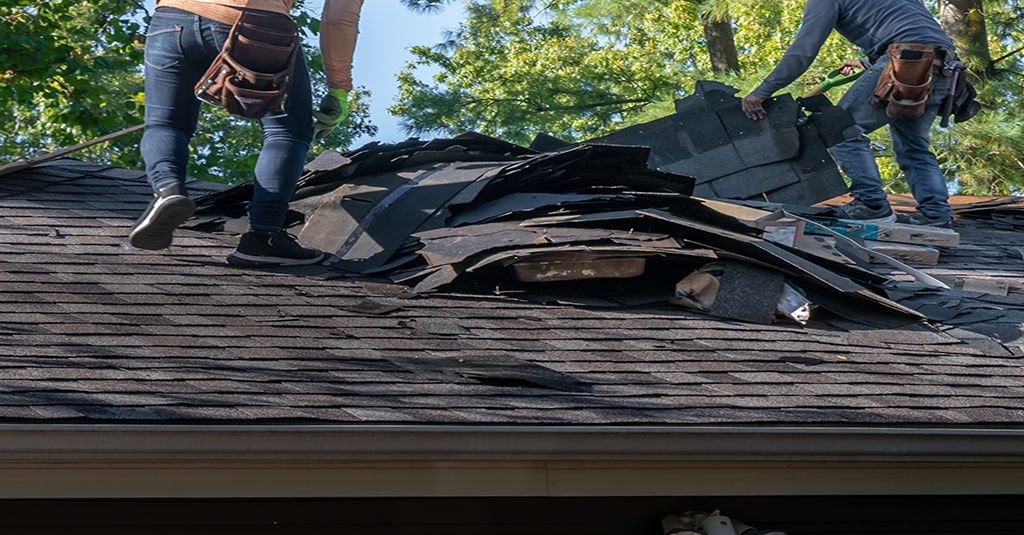
On the night of April 18th, 2020, Montgomery County experienced a powerful wind and hail storm that blanketed the area in 1.2-inch size hail and wind gusts powerful enough to knock down several trees and powerlines throughout the county. Our client’s home endured the storm that evening. The hail damaged portions of our client’s roof and a storage building. The damage to the roof was severe enough that water had penetrated the roof and made its way inside through the ceiling of a utility room near the rear of the home. The hail also damaged gutters and drainage downspouts on the home.

Due to some unforeseen circumstances, some time passed before the claim was reported in March 2021. The insurance company received the claim—as it would any other—and began investigating the incident. As it would turn out, our client had canceled his policy with the insurance company in December 2020, prior to reporting the claim. The policy was canceled because our client ended up going with a different insurance company.

After its investigation, the insurance company denied our client’s claim. The alleged late reporting of the claim and the fact that the client had canceled his policy prior to reporting the claim likely factored into the insurance company’s decision.

Once the case came into our hands, we filed a lawsuit and pressed the insurance company immediately during discovery. During that process, we learned that the insurance company was using a third-party weather data source to pull aggregated data, which showed that the most recent date for sizable hail at our client’s home was 1-inch or larger hail which fell on September 19th, 2019. It seemed clear that the adjuster for the insurance company did not look at any other weather data. As a result of the tunnel vision that this report created, the insurance company then used this date as the actual date of loss.

Conveniently for the insurance company, there was a provision in the insurance policy stating that if the property damage is reported one year or 365 days after the date of loss, the insurance company can deny the claim.

In other words, with this claim the insurance company used favorable weather data from its preferred third-party vendor—apparently without checking other sources—as an excuse to move the date of loss to an earlier date. It then retroactively relied on the late reporting provision in the policy to deny the claim.

Our own investigation into the claim using other weather data sources—including the Severe Weather Data Inventory database provided by the National Oceanic and Atmospheric Association, or NOAA—uncovered severe hail in the immediate area of our client’s home on April 18, 2020. This date was within the policy period prior to cancellation and within one year of when the claim was reported, meaning that the late reporting provision did not apply.

When confronted with conflicting data, the insurance company initially stood its ground, believing its weather data as gospel. But our negotiating position had been improved and we were able to steer the case into mediation quickly. In mediation, we were able to get the insurance company to agree to a settlement that was favorable for our client and would allow him to complete the repairs to his home.

We are proud to say this case ended in a good recovery for our client and righted a wrong by the insurance company.

Many disputed wind and hail claims depend heavily on documenting and proving that severe weather impacted an insured’s property on a particular date. Insurance companies will use their own preferred third-party vendors to obtain data as part of their investigation, sometimes even consulting multiple services but only providing the insured with the data that supports the insurance company’s position. Our firm is very familiar with this tactic and frequently resolves cases where these issues are involved.

FREE CASE REVIEW

If your home or business was damaged by a wind or hailstorm and your insurance claim has been denied, delayed, or underpaid, call the expert property litigation attorneys at the Chad T. Wilson Law Firm today. Maximize your settlement and make the insurance company pay.

Federal Courts Adopt the Western District of Louisiana’s Case Management Order

Federal Courts Adopt the Western District of Louisiana’s Case Management Order

The U.S. District Court for the Western District of Louisiana and the 14th Judicial District Court for the Parish of Calcasieu have adopted a Case Management Order (CMO) that allowed for a streamlined litigation process for insurance claims that arise due to property damage resulting from Hurricanes Laura and/or Delta. The CMO helps produce a just and equitable resolution, enabling the local community to repair or rebuild their homes and businesses after the devastation of the 2020 Hurricane Season. Most Hurricane Laura or Delta property loss claims that give rise to a lawsuit would be subject to this CMO, which provides for an expedited procedural schedule.

The CMO was adopted by the Western District after the Court reviewed the Disaster Litigation Initial Discovery Disaster Protocols recommended by a study committee and adopted by the United States District Court for the Southern District of Texas following Hurricane Harvey.

The CMO allows for resolution and settlement of lawsuits outside the courthouse walls. Once the answer to your claim is received, the court sets deadlines for initial disclosures, settlement negotiations, and formal mediation, in a matter of weeks or a few months, not years.

After receiving Answer or other responsive pleading:

  • 45 days from the date the defendant files responsive pleadings or 20 days from an order denying a timely motion to remand.

Upon the exchange of Initial Disclosures:

  • Within 15 days. Counsel for both parties shall meet to confer and discuss a mutually convenient time, date, and manner for conference.
  • Within 30 days, the informal settlement conference must be conducted.
  • Counsel for both parties must have full authority to resolve the from their clients.

If the initial settlement conference fails to reach a resolution:

  • Case is set for formal mediation.
  • Both parties complete a Mediation Stipulation form.

If formal mediation fails, the case is set for trial.

Recently, the first Hurricane Laura claim went to trial, and the jury found in favor of a Lake Charles businessman after the jury found that the insurance company acted in bad faith and did not pay timely or fulfill its contractual obligations. Consequently, the insurer must now pay additional penalties, attorney fees, and court costs.

If your home or business is dealing with the fallout of a denied, delayed, or underpaid property insurance claim or your insurer has acted in bad faith, call the Chad T. Wilson Law Firm today. We have obtained millions of dollars in settlements for our Louisiana clients that have had difficulty recovering from their insurance companies for claims related to Hurricanes Laura and Delta. Our expert insurance litigation attorneys know how insurance companies operate and the best way to maximize your settlement.

Take Your Time When Purchasing Property Insurance
Why It’s Important To Take Your Time When Purchasing Property Insurance

When you see a doctor, you expect that they will take their time to do their job and understand the need for your visit. When investing money in a business opportunity, you would want to review all available information to make the best decision for your money. The same may be said when taking your car into the shop. When purchasing a service, the reason for your visit is more important than how fast you get the service. Learn how to make your property insurance purchase a smooth transaction.

More insurance carriers are making it easier for first-time homeowners to get home insurance. Obtaining property insurance expeditiously is important. Larger insurance companies can move quickly when it comes to purchasing insurance and smaller insurance companies are following the trend. What is the best insurance and what can you do to avoid making a mistake when purchasing it?

Choosing the Right Coverage

The most important thing in any business is to provide excellent customer service. This includes ensuring that the policyholder has all necessary coverages and not just encouraging them with products they will never use or be able to afford.

When an insurance provider rushes through the purchasing process without thoroughly understanding their customer’s needs, they’re harming not only themselves but also other parties involved in this transaction. By focusing on profits instead of getting to know your clientele and what coverages are needed for them – you hurt everyone who has been relying upon these policies!

A company should never sacrifice its morals just because it wants more customers or greater profit margins; doing so will only come back around at some point anyway with negative consequences that could’ve easily been avoided by taking care beforehand.

Homeowner’s insurance or any type of insurance for that matter is a serious subject. Inadequate coverage can result in financial catastrophe. Insurance companies are in the business of making money, they cannot increase their profits if they roll over and pay every insurance claim. Viewing insurance as a simple means to make money is wrong. People need insurance. People need to be protected.

Choosing the right coverage goes hand in hand with finding the right agent for you and your needs. Insurance can be a confusing topic for the average person, but there are ways to find affordable coverage. Your agent is someone you should contact if anything happens with your policy – they’re in the know and will help make sure that nothing gets left uncovered or unpaid!

Filing a Claim

When filing a claim, customers want to know that their insurer will be able to provide tangible evidence of coverage. We need this assurance before putting any money at risk and without it, we feel uncertain about what kind or how much help is available for an event that has occurred while using their product/service.

If you do not have the right insurance, you could find yourself in a significant financial hole. A thoughtful conversation with an insurance agent can help you avoid these errors.

Take Your Time to Find the Right Agent

Good Insurance agents often face a challenging environment where they must balance the needs of their customers with those companies. Insurance leaders who put profit ahead of customer service will struggle in this competitive market, as knowledgeable and trustworthy professionals like insurance brokers can provide better quality products for clients.

Insurance agents are often expected to spend very little time with their customers, but the best ones understand that every second counts. They know it’s not just about making sales or finding new clients; they need customer input and guidance so insurance products can be tailored specifically for them – which is why we find this situation ironic!

The bottom line is you need to take this important purchase seriously and find an agent that takes the time to find YOU out what you need.

If your property insurance claim has been denied, delayed, or underpaid, contact the expert insurance attorneys with the Chad T. Wilson Law Firm at (833)942-0678 or email us at [email protected].