
Structural Integrity: A damaged roof can compromise the structural integrity of your property. If left unrepaired, even minor damage can worsen over time, potentially leading to more extensive structural issues.

Water Damage: One of the most common problems associated with roof damage is water leakage. Holes, cracks, or missing shingles can allow water to seep into the attic, ceilings, walls, and other structural components of your property. This water infiltration can lead to rotting wood, mold growth, and damage to insulation, drywall, and electrical systems.

Decreased Energy Efficiency: A damaged roof may result in poor insulation and ventilation, leading to increased energy consumption and higher utility bills. Gaps in the roof can allow heated or cooled air to escape, forcing your HVAC system to work harder to maintain a comfortable indoor temperature.

Pest Infestation: Holes or openings in the roof can provide entry points for pests such as birds, rodents, insects, and other unwanted critters. Once inside, these pests can cause further damage to your property and pose health risks to occupants.

Decreased Property Value: Roof damage can detract from the aesthetic appeal and overall value of your property. Potential buyers may view a damaged roof as a red flag and either negotiate a lower price or choose to look elsewhere, impacting your ability to sell the property at a desirable price.

Safety Hazards: Loose or damaged roofing materials can pose safety hazards to occupants and visitors. For example, loose shingles or tiles may fall off and cause injury to individuals below, especially during windy conditions.

Insurance Issues: If roof damage leads to other problems such as water damage or mold growth, your insurance company may be less likely to cover the costs if they determine that the damage resulted from neglect or lack of proper maintenance. It’s important to address roof damage promptly to avoid potential disputes with your insurance provider.

Overall, addressing roof damage promptly through regular inspections, maintenance, and timely repairs is essential for preserving the integrity, safety, and value of your property.

When should I hire a property insurance attorney for hail damage on my roof?

In the following cases, you should think about contacting a property insurance lawyer regarding hail damage to your roof:

Denied Claim: It could be a good idea to get legal counsel if your insurance provider rejects your claim for hail damage to your roof. After reviewing the denial, a lawyer can determine if you have a case for an appeal or other legal action.

Underpaid Claim: An attorney can negotiate on your behalf or take legal action to seek just compensation if your insurance carrier offers a settlement that you feel is insufficient to pay for the expense of fixing or replacing your roof.

Complex Claims: An attorney with experience in property insurance law can be very helpful if your claim involves complex issues, including conflicts over the level of damage, policy coverage, or the insurance company’s assessment.

Bad Faith Practices: An attorney can look into the matter and fight for your rights if you believe that your insurance company is acting unfairly by refusing or postponing your claim. If required, they may also take the insurer to court.

Policy Interpretation: Insurance plans can be confusing, and there may be room for interpretation when it comes to the wording about coverage for hail damage. A lawyer can examine your policy, clarify the alternatives you have for coverage, and suggest the best line of action for you.

Litigation Representation: If your case goes to trial, a property insurance law specialist can represent you in court and try to get the best result possible out of your case.

If you need help resolving complicated issues, need counsel in court, or have problems with your insurance company, consulting The Chad T. Wilson Law Firm for hail damage on your roof will be a major advantage.

Is your claim being denied or underpaid? Call Chad T. Wilson Law Firm, PLLC.

Speak with one of our attorney if you’re having trouble getting your claim processed or if the insurance company is attempting to pay less for the claim than is reasonable.

Contact us: https://cwilsonlaw.com/contact-us/ 

Learn more about our attorneys:
https://cwilsonlaw.com/meet-the-team-chad-t-wilson-law-firm-pllc-insurance-attorney/

Follow us on Social media:
https://beacons.ai/chadtwilsonlaw

Contact our Chad T. Wilson Law Firm Office Locations to Schedule a free Consultation.


Chad T. Wilson is an attorney whose firm specializes in property insurance disputes.

Written By:
Alejandro Caro

Schedule a free Consultation

Yes, hail damage to your roof, along with any other structures on your property, should be covered by your homeowner’s insurance policy. In addition, hail damage to windows, siding, gutters, and exterior hardscaping should be covered by your policy. Furthermore, “other structures” may be covered separately for hail damage under some policies.

It is crucial to take action if you have roof damage on your property as soon as possible. Ignoring such damage can lead to:

Structural Integrity: A damaged roof can compromise the structural integrity of your property. If left unrepaired, even minor damage can worsen over time, potentially leading to more extensive structural issues.

Water Damage: One of the most common problems associated with roof damage is water leakage. Holes, cracks, or missing shingles can allow water to seep into the attic, ceilings, walls, and other structural components of your property. This water infiltration can lead to rotting wood, mold growth, and damage to insulation, drywall, and electrical systems.

Decreased Energy Efficiency: A damaged roof may result in poor insulation and ventilation, leading to increased energy consumption and higher utility bills. Gaps in the roof can allow heated or cooled air to escape, forcing your HVAC system to work harder to maintain a comfortable indoor temperature.

Pest Infestation: Holes or openings in the roof can provide entry points for pests such as birds, rodents, insects, and other unwanted critters. Once inside, these pests can cause further damage to your property and pose health risks to occupants.

Decreased Property Value: Roof damage can detract from the aesthetic appeal and overall value of your property. Potential buyers may view a damaged roof as a red flag and either negotiate a lower price or choose to look elsewhere, impacting your ability to sell the property at a desirable price.

Safety Hazards: Loose or damaged roofing materials can pose safety hazards to occupants and visitors. For example, loose shingles or tiles may fall off and cause injury to individuals below, especially during windy conditions.

Insurance Issues: If roof damage leads to other problems such as water damage or mold growth, your insurance company may be less likely to cover the costs if they determine that the damage resulted from neglect or lack of proper maintenance. It’s important to address roof damage promptly to avoid potential disputes with your insurance provider.

Overall, addressing roof damage promptly through regular inspections, maintenance, and timely repairs is essential for preserving the integrity, safety, and value of your property.

When should I hire a property insurance attorney for hail damage on my roof?

In the following cases, you should think about contacting a property insurance lawyer regarding hail damage to your roof:

Denied Claim: It could be a good idea to get legal counsel if your insurance provider rejects your claim for hail damage to your roof. After reviewing the denial, a lawyer can determine if you have a case for an appeal or other legal action.

Underpaid Claim: An attorney can negotiate on your behalf or take legal action to seek just compensation if your insurance carrier offers a settlement that you feel is insufficient to pay for the expense of fixing or replacing your roof.

Complex Claims: An attorney with experience in property insurance law can be very helpful if your claim involves complex issues, including conflicts over the level of damage, policy coverage, or the insurance company’s assessment.

Bad Faith Practices: An attorney can look into the matter and fight for your rights if you believe that your insurance company is acting unfairly by refusing or postponing your claim. If required, they may also take the insurer to court.

Policy Interpretation: Insurance plans can be confusing, and there may be room for interpretation when it comes to the wording about coverage for hail damage. A lawyer can examine your policy, clarify the alternatives you have for coverage, and suggest the best line of action for you.

Litigation Representation: If your case goes to trial, a property insurance law specialist can represent you in court and try to get the best result possible out of your case.

If you need help resolving complicated issues, need counsel in court, or have problems with your insurance company, consulting The Chad T. Wilson Law Firm for hail damage on your roof will be a major advantage.

Is your claim being denied or underpaid? Call Chad T. Wilson Law Firm, PLLC.

Speak with one of our attorney if you’re having trouble getting your claim processed or if the insurance company is attempting to pay less for the claim than is reasonable.

Contact us: https://cwilsonlaw.com/contact-us/ 

Learn more about our attorneys:
https://cwilsonlaw.com/meet-the-team-chad-t-wilson-law-firm-pllc-insurance-attorney/

Follow us on Social media:
https://beacons.ai/chadtwilsonlaw

Contact our Chad T. Wilson Law Firm Office Locations to Schedule a free Consultation.


Chad T. Wilson is an attorney whose firm specializes in property insurance disputes.

Written By:
Alejandro Caro

Schedule a free Consultation

The level of the damage, the size of the roof, the materials used in the roof’s construction, the insurance policy coverage, the deductible amounts, and the location of the property are some of the factors that can affect the typical insurance payment for hail damage to a roof.

But insurance benefits for hail damage to a roof usually run from a few hundred to several thousand dollars, to give you an idea. Payouts may reach several thousand dollars or even tens of thousands of dollars in extreme situations if the harm is extensive.

Does hail damage get covered by home insurance?

Yes, hail damage to your roof, along with any other structures on your property, should be covered by your homeowner’s insurance policy. In addition, hail damage to windows, siding, gutters, and exterior hardscaping should be covered by your policy. Furthermore, “other structures” may be covered separately for hail damage under some policies.

It is crucial to take action if you have roof damage on your property as soon as possible. Ignoring such damage can lead to:

Structural Integrity: A damaged roof can compromise the structural integrity of your property. If left unrepaired, even minor damage can worsen over time, potentially leading to more extensive structural issues.

Water Damage: One of the most common problems associated with roof damage is water leakage. Holes, cracks, or missing shingles can allow water to seep into the attic, ceilings, walls, and other structural components of your property. This water infiltration can lead to rotting wood, mold growth, and damage to insulation, drywall, and electrical systems.

Decreased Energy Efficiency: A damaged roof may result in poor insulation and ventilation, leading to increased energy consumption and higher utility bills. Gaps in the roof can allow heated or cooled air to escape, forcing your HVAC system to work harder to maintain a comfortable indoor temperature.

Pest Infestation: Holes or openings in the roof can provide entry points for pests such as birds, rodents, insects, and other unwanted critters. Once inside, these pests can cause further damage to your property and pose health risks to occupants.

Decreased Property Value: Roof damage can detract from the aesthetic appeal and overall value of your property. Potential buyers may view a damaged roof as a red flag and either negotiate a lower price or choose to look elsewhere, impacting your ability to sell the property at a desirable price.

Safety Hazards: Loose or damaged roofing materials can pose safety hazards to occupants and visitors. For example, loose shingles or tiles may fall off and cause injury to individuals below, especially during windy conditions.

Insurance Issues: If roof damage leads to other problems such as water damage or mold growth, your insurance company may be less likely to cover the costs if they determine that the damage resulted from neglect or lack of proper maintenance. It’s important to address roof damage promptly to avoid potential disputes with your insurance provider.

Overall, addressing roof damage promptly through regular inspections, maintenance, and timely repairs is essential for preserving the integrity, safety, and value of your property.

When should I hire a property insurance attorney for hail damage on my roof?

In the following cases, you should think about contacting a property insurance lawyer regarding hail damage to your roof:

Denied Claim: It could be a good idea to get legal counsel if your insurance provider rejects your claim for hail damage to your roof. After reviewing the denial, a lawyer can determine if you have a case for an appeal or other legal action.

Underpaid Claim: An attorney can negotiate on your behalf or take legal action to seek just compensation if your insurance carrier offers a settlement that you feel is insufficient to pay for the expense of fixing or replacing your roof.

Complex Claims: An attorney with experience in property insurance law can be very helpful if your claim involves complex issues, including conflicts over the level of damage, policy coverage, or the insurance company’s assessment.

Bad Faith Practices: An attorney can look into the matter and fight for your rights if you believe that your insurance company is acting unfairly by refusing or postponing your claim. If required, they may also take the insurer to court.

Policy Interpretation: Insurance plans can be confusing, and there may be room for interpretation when it comes to the wording about coverage for hail damage. A lawyer can examine your policy, clarify the alternatives you have for coverage, and suggest the best line of action for you.

Litigation Representation: If your case goes to trial, a property insurance law specialist can represent you in court and try to get the best result possible out of your case.

If you need help resolving complicated issues, need counsel in court, or have problems with your insurance company, consulting The Chad T. Wilson Law Firm for hail damage on your roof will be a major advantage.

Is your claim being denied or underpaid? Call Chad T. Wilson Law Firm, PLLC.

Speak with one of our attorney if you’re having trouble getting your claim processed or if the insurance company is attempting to pay less for the claim than is reasonable.

Contact us: https://cwilsonlaw.com/contact-us/ 

Learn more about our attorneys:
https://cwilsonlaw.com/meet-the-team-chad-t-wilson-law-firm-pllc-insurance-attorney/

Follow us on Social media:
https://beacons.ai/chadtwilsonlaw

Contact our Chad T. Wilson Law Firm Office Locations to Schedule a free Consultation.


Chad T. Wilson is an attorney whose firm specializes in property insurance disputes.

Written By:
Alejandro Caro

Schedule a free Consultation

Roof damage can pose several significant problems to your property. Depending on the extent of the damage, hail-damaged roof repair can cost anywhere from $300 to $32,500, with an average of $4,250 (2024). Golf-ball-sized hail can cause issues, but most hail is too small to seriously harm a roof that has been constructed correctly.

While small dents and dings might only need cosmetic repairs, punctures should be fixed immediately since they could expose the roof’s structure to water damage. We’ll go over major and small repair costs as well as how much your insurance will likely pay below.

The level of the damage, the size of the roof, the materials used in the roof’s construction, the insurance policy coverage, the deductible amounts, and the location of the property are some of the factors that can affect the typical insurance payment for hail damage to a roof.

But insurance benefits for hail damage to a roof usually run from a few hundred to several thousand dollars, to give you an idea. Payouts may reach several thousand dollars or even tens of thousands of dollars in extreme situations if the harm is extensive.

Does hail damage get covered by home insurance?

Yes, hail damage to your roof, along with any other structures on your property, should be covered by your homeowner’s insurance policy. In addition, hail damage to windows, siding, gutters, and exterior hardscaping should be covered by your policy. Furthermore, “other structures” may be covered separately for hail damage under some policies.

It is crucial to take action if you have roof damage on your property as soon as possible. Ignoring such damage can lead to:

Structural Integrity: A damaged roof can compromise the structural integrity of your property. If left unrepaired, even minor damage can worsen over time, potentially leading to more extensive structural issues.

Water Damage: One of the most common problems associated with roof damage is water leakage. Holes, cracks, or missing shingles can allow water to seep into the attic, ceilings, walls, and other structural components of your property. This water infiltration can lead to rotting wood, mold growth, and damage to insulation, drywall, and electrical systems.

Decreased Energy Efficiency: A damaged roof may result in poor insulation and ventilation, leading to increased energy consumption and higher utility bills. Gaps in the roof can allow heated or cooled air to escape, forcing your HVAC system to work harder to maintain a comfortable indoor temperature.

Pest Infestation: Holes or openings in the roof can provide entry points for pests such as birds, rodents, insects, and other unwanted critters. Once inside, these pests can cause further damage to your property and pose health risks to occupants.

Decreased Property Value: Roof damage can detract from the aesthetic appeal and overall value of your property. Potential buyers may view a damaged roof as a red flag and either negotiate a lower price or choose to look elsewhere, impacting your ability to sell the property at a desirable price.

Safety Hazards: Loose or damaged roofing materials can pose safety hazards to occupants and visitors. For example, loose shingles or tiles may fall off and cause injury to individuals below, especially during windy conditions.

Insurance Issues: If roof damage leads to other problems such as water damage or mold growth, your insurance company may be less likely to cover the costs if they determine that the damage resulted from neglect or lack of proper maintenance. It’s important to address roof damage promptly to avoid potential disputes with your insurance provider.

Overall, addressing roof damage promptly through regular inspections, maintenance, and timely repairs is essential for preserving the integrity, safety, and value of your property.

When should I hire a property insurance attorney for hail damage on my roof?

In the following cases, you should think about contacting a property insurance lawyer regarding hail damage to your roof:

Denied Claim: It could be a good idea to get legal counsel if your insurance provider rejects your claim for hail damage to your roof. After reviewing the denial, a lawyer can determine if you have a case for an appeal or other legal action.

Underpaid Claim: An attorney can negotiate on your behalf or take legal action to seek just compensation if your insurance carrier offers a settlement that you feel is insufficient to pay for the expense of fixing or replacing your roof.

Complex Claims: An attorney with experience in property insurance law can be very helpful if your claim involves complex issues, including conflicts over the level of damage, policy coverage, or the insurance company’s assessment.

Bad Faith Practices: An attorney can look into the matter and fight for your rights if you believe that your insurance company is acting unfairly by refusing or postponing your claim. If required, they may also take the insurer to court.

Policy Interpretation: Insurance plans can be confusing, and there may be room for interpretation when it comes to the wording about coverage for hail damage. A lawyer can examine your policy, clarify the alternatives you have for coverage, and suggest the best line of action for you.

Litigation Representation: If your case goes to trial, a property insurance law specialist can represent you in court and try to get the best result possible out of your case.

If you need help resolving complicated issues, need counsel in court, or have problems with your insurance company, consulting The Chad T. Wilson Law Firm for hail damage on your roof will be a major advantage.

Is your claim being denied or underpaid? Call Chad T. Wilson Law Firm, PLLC.

Speak with one of our attorney if you’re having trouble getting your claim processed or if the insurance company is attempting to pay less for the claim than is reasonable.

Contact us: https://cwilsonlaw.com/contact-us/ 

Learn more about our attorneys:
https://cwilsonlaw.com/meet-the-team-chad-t-wilson-law-firm-pllc-insurance-attorney/

Follow us on Social media:
https://beacons.ai/chadtwilsonlaw

Contact our Chad T. Wilson Law Firm Office Locations to Schedule a free Consultation.


Chad T. Wilson is an attorney whose firm specializes in property insurance disputes.

Written By:
Alejandro Caro

Schedule a free Consultation

Chad T. Wilson – What Is the Average Cost of Fixing Hail Damage to Your Roof? (2024)
April, 9th 2024
Updated: April, 9th 2024 –12:40 p.m.
Source: https://cwilsonlaw.com/
https://www.angi.com/articles/how-much-repair-roof-hail-damage-cost.htm
What Is the Average Cost of Fixing Hail Damage to Your Roof?

What Is the Average Cost of Fixing Hail Damage to Your Roof?

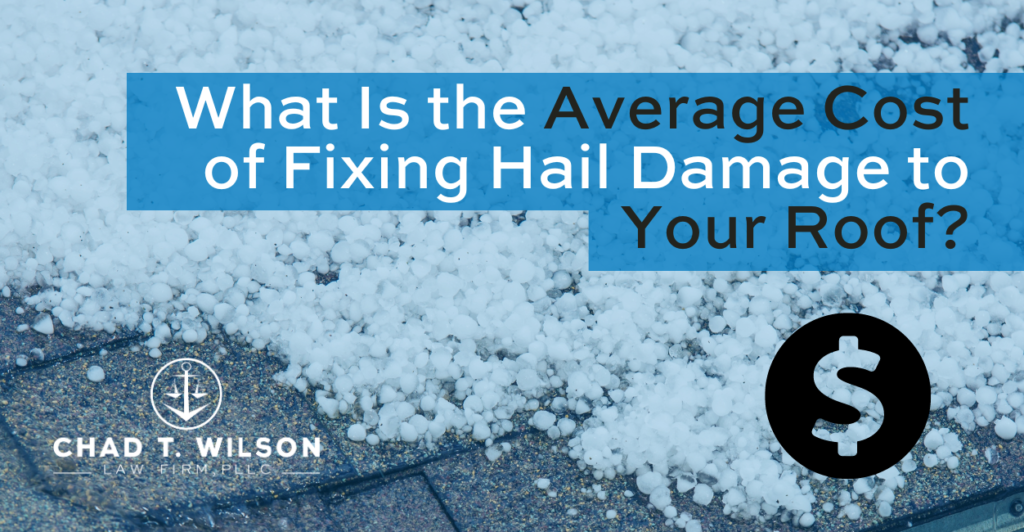
Roof damage can pose several significant problems to your property. Depending on the extent of the damage, hail-damaged roof repair can cost anywhere from $300 to $32,500, with an average of $4,250 (2024). Golf-ball-sized hail can cause issues, but most hail is too small to seriously harm a roof that has been constructed correctly.

While small dents and dings might only need cosmetic repairs, punctures should be fixed immediately since they could expose the roof’s structure to water damage. We’ll go over major and small repair costs as well as how much your insurance will likely pay below.

The level of the damage, the size of the roof, the materials used in the roof’s construction, the insurance policy coverage, the deductible amounts, and the location of the property are some of the factors that can affect the typical insurance payment for hail damage to a roof.

But insurance benefits for hail damage to a roof usually run from a few hundred to several thousand dollars, to give you an idea. Payouts may reach several thousand dollars or even tens of thousands of dollars in extreme situations if the harm is extensive.

Does hail damage get covered by home insurance?

Yes, hail damage to your roof, along with any other structures on your property, should be covered by your homeowner’s insurance policy. In addition, hail damage to windows, siding, gutters, and exterior hardscaping should be covered by your policy. Furthermore, “other structures” may be covered separately for hail damage under some policies.

It is crucial to take action if you have roof damage on your property as soon as possible. Ignoring such damage can lead to:

Structural Integrity: A damaged roof can compromise the structural integrity of your property. If left unrepaired, even minor damage can worsen over time, potentially leading to more extensive structural issues.

Water Damage: One of the most common problems associated with roof damage is water leakage. Holes, cracks, or missing shingles can allow water to seep into the attic, ceilings, walls, and other structural components of your property. This water infiltration can lead to rotting wood, mold growth, and damage to insulation, drywall, and electrical systems.

Decreased Energy Efficiency: A damaged roof may result in poor insulation and ventilation, leading to increased energy consumption and higher utility bills. Gaps in the roof can allow heated or cooled air to escape, forcing your HVAC system to work harder to maintain a comfortable indoor temperature.

Pest Infestation: Holes or openings in the roof can provide entry points for pests such as birds, rodents, insects, and other unwanted critters. Once inside, these pests can cause further damage to your property and pose health risks to occupants.

Decreased Property Value: Roof damage can detract from the aesthetic appeal and overall value of your property. Potential buyers may view a damaged roof as a red flag and either negotiate a lower price or choose to look elsewhere, impacting your ability to sell the property at a desirable price.

Safety Hazards: Loose or damaged roofing materials can pose safety hazards to occupants and visitors. For example, loose shingles or tiles may fall off and cause injury to individuals below, especially during windy conditions.

Insurance Issues: If roof damage leads to other problems such as water damage or mold growth, your insurance company may be less likely to cover the costs if they determine that the damage resulted from neglect or lack of proper maintenance. It’s important to address roof damage promptly to avoid potential disputes with your insurance provider.

Overall, addressing roof damage promptly through regular inspections, maintenance, and timely repairs is essential for preserving the integrity, safety, and value of your property.

When should I hire a property insurance attorney for hail damage on my roof?

In the following cases, you should think about contacting a property insurance lawyer regarding hail damage to your roof:

Denied Claim: It could be a good idea to get legal counsel if your insurance provider rejects your claim for hail damage to your roof. After reviewing the denial, a lawyer can determine if you have a case for an appeal or other legal action.

Underpaid Claim: An attorney can negotiate on your behalf or take legal action to seek just compensation if your insurance carrier offers a settlement that you feel is insufficient to pay for the expense of fixing or replacing your roof.

Complex Claims: An attorney with experience in property insurance law can be very helpful if your claim involves complex issues, including conflicts over the level of damage, policy coverage, or the insurance company’s assessment.

Bad Faith Practices: An attorney can look into the matter and fight for your rights if you believe that your insurance company is acting unfairly by refusing or postponing your claim. If required, they may also take the insurer to court.

Policy Interpretation: Insurance plans can be confusing, and there may be room for interpretation when it comes to the wording about coverage for hail damage. A lawyer can examine your policy, clarify the alternatives you have for coverage, and suggest the best line of action for you.

Litigation Representation: If your case goes to trial, a property insurance law specialist can represent you in court and try to get the best result possible out of your case.

If you need help resolving complicated issues, need counsel in court, or have problems with your insurance company, consulting The Chad T. Wilson Law Firm for hail damage on your roof will be a major advantage.

Is your claim being denied or underpaid? Call Chad T. Wilson Law Firm, PLLC.

Speak with one of our attorney if you’re having trouble getting your claim processed or if the insurance company is attempting to pay less for the claim than is reasonable.
Contact us: https://cwilsonlaw.com/contact-us/ 

Learn more about our attorneys:
https://cwilsonlaw.com/meet-the-team-chad-t-wilson-law-firm-pllc-insurance-attorney/

Follow us on Social media:
https://beacons.ai/chadtwilsonlaw

Contact our Chad T. Wilson Law Firm Office Locations to Schedule a free Consultation.


Chad T. Wilson is an attorney whose firm specializes in property insurance disputes.

Written By:
Alejandro Caro

Schedule a free Consultation

Chad T. Wilson – What Is the Average Cost of Fixing Hail Damage to Your Roof? (2024)
April, 9th 2024
Updated: April, 9th 2024 –12:40 p.m.
Source: https://cwilsonlaw.com/
https://www.angi.com/articles/how-much-repair-roof-hail-damage-cost.htm

What Is the Average Cost of Fixing Hail Damage to Your Roof?

What Is the Average Cost of Fixing Hail Damage to Your Roof?

Roof damage can pose several significant problems to your property. Depending on the extent of the damage, hail-damaged roof repair can cost anywhere from $300 to $32,500, with an average of $4,250 (2024). Golf-ball-sized hail can cause issues, but most hail is too small to seriously harm a roof that has been constructed correctly.

While small dents and dings might only need cosmetic repairs, punctures should be fixed immediately since they could expose the roof’s structure to water damage. We’ll go over major and small repair costs as well as how much your insurance will likely pay below.

The level of the damage, the size of the roof, the materials used in the roof’s construction, the insurance policy coverage, the deductible amounts, and the location of the property are some of the factors that can affect the typical insurance payment for hail damage to a roof.

But insurance benefits for hail damage to a roof usually run from a few hundred to several thousand dollars, to give you an idea. Payouts may reach several thousand dollars or even tens of thousands of dollars in extreme situations if the harm is extensive.

Does hail damage get covered by home insurance?

Yes, hail damage to your roof, along with any other structures on your property, should be covered by your homeowner’s insurance policy. In addition, hail damage to windows, siding, gutters, and exterior hardscaping should be covered by your policy. Furthermore, “other structures” may be covered separately for hail damage under some policies.

It is crucial to take action if you have roof damage on your property as soon as possible. Ignoring such damage can lead to:

Structural Integrity: A damaged roof can compromise the structural integrity of your property. If left unrepaired, even minor damage can worsen over time, potentially leading to more extensive structural issues.

Water Damage: One of the most common problems associated with roof damage is water leakage. Holes, cracks, or missing shingles can allow water to seep into the attic, ceilings, walls, and other structural components of your property. This water infiltration can lead to rotting wood, mold growth, and damage to insulation, drywall, and electrical systems.

Decreased Energy Efficiency: A damaged roof may result in poor insulation and ventilation, leading to increased energy consumption and higher utility bills. Gaps in the roof can allow heated or cooled air to escape, forcing your HVAC system to work harder to maintain a comfortable indoor temperature.

Pest Infestation: Holes or openings in the roof can provide entry points for pests such as birds, rodents, insects, and other unwanted critters. Once inside, these pests can cause further damage to your property and pose health risks to occupants.

Decreased Property Value: Roof damage can detract from the aesthetic appeal and overall value of your property. Potential buyers may view a damaged roof as a red flag and either negotiate a lower price or choose to look elsewhere, impacting your ability to sell the property at a desirable price.

Safety Hazards: Loose or damaged roofing materials can pose safety hazards to occupants and visitors. For example, loose shingles or tiles may fall off and cause injury to individuals below, especially during windy conditions.

Insurance Issues: If roof damage leads to other problems such as water damage or mold growth, your insurance company may be less likely to cover the costs if they determine that the damage resulted from neglect or lack of proper maintenance. It’s important to address roof damage promptly to avoid potential disputes with your insurance provider.

Overall, addressing roof damage promptly through regular inspections, maintenance, and timely repairs is essential for preserving the integrity, safety, and value of your property.

When should I hire a property insurance attorney for hail damage on my roof?

In the following cases, you should think about contacting a property insurance lawyer regarding hail damage to your roof:

Denied Claim: It could be a good idea to get legal counsel if your insurance provider rejects your claim for hail damage to your roof. After reviewing the denial, a lawyer can determine if you have a case for an appeal or other legal action.

Underpaid Claim: An attorney can negotiate on your behalf or take legal action to seek just compensation if your insurance carrier offers a settlement that you feel is insufficient to pay for the expense of fixing or replacing your roof.

Complex Claims: An attorney with experience in property insurance law can be very helpful if your claim involves complex issues, including conflicts over the level of damage, policy coverage, or the insurance company’s assessment.

Bad Faith Practices: An attorney can look into the matter and fight for your rights if you believe that your insurance company is acting unfairly by refusing or postponing your claim. If required, they may also take the insurer to court.

Policy Interpretation: Insurance plans can be confusing, and there may be room for interpretation when it comes to the wording about coverage for hail damage. A lawyer can examine your policy, clarify the alternatives you have for coverage, and suggest the best line of action for you.

Litigation Representation: If your case goes to trial, a property insurance law specialist can represent you in court and try to get the best result possible out of your case.

If you need help resolving complicated issues, need counsel in court, or have problems with your insurance company, consulting The Chad T. Wilson Law Firm for hail damage on your roof will be a major advantage.

Is your claim being denied or underpaid? Call Chad T. Wilson Law Firm, PLLC.

Speak with one of our attorney if you’re having trouble getting your claim processed or if the insurance company is attempting to pay less for the claim than is reasonable.
Contact us: https://cwilsonlaw.com/contact-us/ 

Learn more about our attorneys:
https://cwilsonlaw.com/meet-the-team-chad-t-wilson-law-firm-pllc-insurance-attorney/

Follow us on Social media:
https://beacons.ai/chadtwilsonlaw

Contact our Chad T. Wilson Law Firm Office Locations to Schedule a free Consultation.


Chad T. Wilson is an attorney whose firm specializes in property insurance disputes.

Written By:
Alejandro Caro

Schedule a free Consultation
Chad T. Wilson – Blogs and Resources March, 22nd 2024 Updated: March, 22nd 2024 –12:30 p.m. Source: https://cwilsonlaw.com/ Most common types of windstorm damage claims

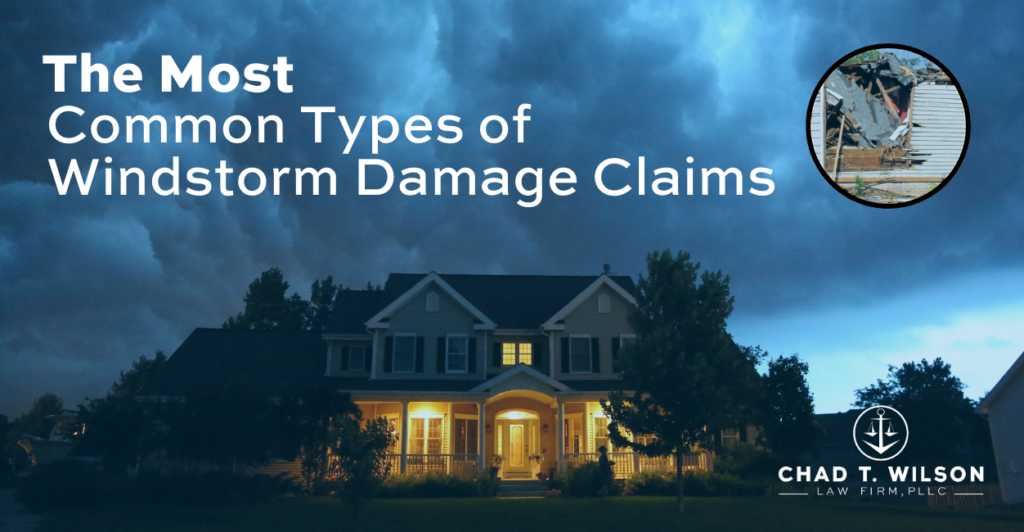
What are the most common types of windstorm damage claims?

Windstorms can cause damage to property in a number of ways and can take many different forms, from gentle breezes to strong hurricanes and tornadoes.

These windstorms have the potential to cause a variety of property damages, such as:

Damage to landscape:

Strong winds have the power to uproot vegetation, knock down trees, and disperse debris, which can harm landscape both aesthetically and monetarily.

Damage to Roofing Components:

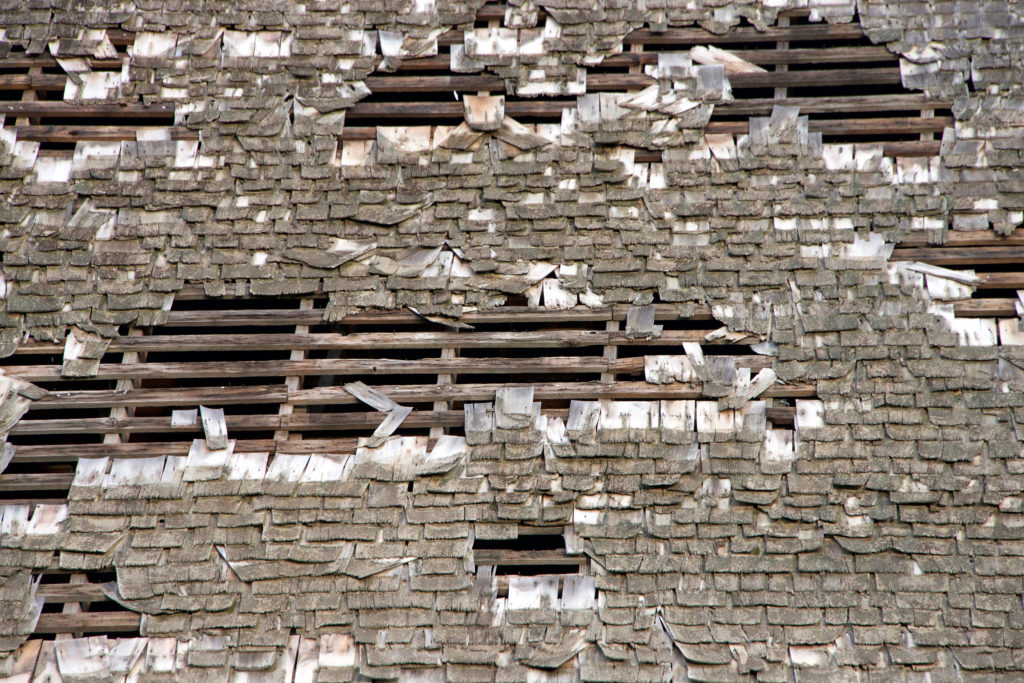
Strong winds have the ability to lift tiles, shingles, or other roofing components, which can cause leaks, structural damage, and possibly even interior water damage.

Damage to Sidings:

Powerful winds have the ability to rip off or loosen siding components, such as aluminum, wood, or vinyl siding, leaving the underlying structure vulnerable to possible harm.

Broken Windows:

Windows can be broken by flying debris or, by direct impact from powerful gusts. This can result in possible water damage, security problems, and heightened susceptibility to more wind damage.

Trees and Branches:

Trees or large branches can fall onto buildings, vehicles, or other structures during windstorms, causing significant damage to roofs, windows, siding, and other property components.

Structural Damage:

Severe windstorms may cause structural damage to buildings, including wall collapse, damage to support beams, or compromised foundations.

Water Damage:

Wind-driven rain can infiltrate buildings through damaged roofing, siding, windows, or doors, leading to water damage to walls, ceilings, floors, and personal belongings.

Damage to Outdoor Structures:

Windstorms can also damage outdoor structures such as sheds, fences, pergolas, and decks, compromising their structural integrity and functionality.

Power Outages:

Windstorms often cause power outages due to downed power lines, fallen trees on power lines, or damage to electrical infrastructure, leading to inconvenience and potential property damage if backup systems fail.

Damage to Vehicles:

Windstorms can cause damage to vehicles parked outdoors, including dents, scratches, broken windows, and more severe damage if struck by falling trees or debris.

Business Interruption:

Windstorms may disrupt business operations due to property damage, power outages, or safety concerns, resulting in lost revenue and additional expenses for repairs and recovery efforts.

Flying Debris:

In strong gusts, projectiles like garbage cans, signs, and other things can go airborne and endanger both personal safety and property.

Flooding Damage:

Windstorms can result in storm surges or floods in coastal locations or areas that frequently see severe rainfall, which can seriously damage properties with water.

Is your claim being denied or underpaid? Call Chad T. Wilson Law Firm, PLLC.

Speak with one of our attorney if you’re having trouble getting your claim processed or if the insurance company is attempting to pay less for the claim than is reasonable. Contact us: https://cwilsonlaw.com/contact-us/  Learn more about our attorneys: https://cwilsonlaw.com/meet-the-team-chad-t-wilson-law-firm-pllc-insurance-attorney/ Follow us on Social media: https://beacons.ai/chadtwilsonlaw
Chad T. Wilson – Blogs and Resources
March, 18th 2024
Updated: March, 18th 2024 012:30 p.m.
Source: https://cwilsonlaw.com/

Untrustworthy Claims Management Techniques Used by Allstate

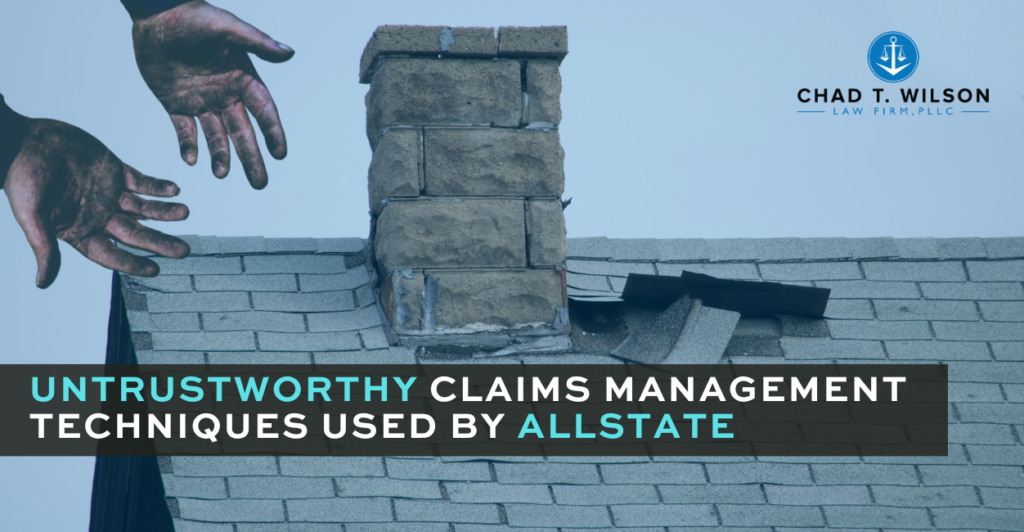
Allstate, a leading insurance company, is currently facing significant controversy due to accusations that it prioritizes shareholder profits over customer satisfaction.

Untrustworthy Claims Management Techniques Used by Allstate

Thomas Wilson, CEO of Allstate, acknowledged a harsh fact in his admission:

The company’s primary allegiance lies in generating robust returns for its shareholders, rather than championing the needs of its clientele. This admission gains weight when compared with internal documents that paint the picture of a glaring dissonance between the outward portrayal of protection, symbolized by the iconic “good hands” image in advertisements, and the internal directives mandating stringent contestation of claims put forth by policyholders.

Opponents, primarily the American Association for Justice (AAJ), criticize Allstate for what they see as a calculated approach that prioritizes profits over the fair treatment of its policyholders by providing pitiful settlements and using aggressive legal tactics when facing claims. This greedy business strategy has definitely boosted the company’s finances, as evidenced by CEO Wilson’s incredible salary package, which came to an eye-watering $16.3 million in past years. 

Allstate’s substantial financial profits are allegedly making it difficult for many unhappy claimants to receive adequate compensation, if any at all.

Adding fuel to the fire, Allstate stands accused of cloaking its policies, a labyrinth designed to capture policyholders in a web of misunderstanding. Critics argue that this deliberate obfuscation serves as a smokescreen, allowing Allstate to rake in premiums under false pretenses, leaving policyholders woefully underprepared when calamity strikes and their anticipated coverage proves elusive.

In the court of public opinion, Allstate has been dealt a damning blow, earning the ignominious title of the worst insurance company. This denunciation, levied by vocal critics who decry the company’s rapacious pursuit of profit, underscores a seismic rupture in the delicate fabric of trust between insurer and insured, with Allstate’s profit-driven machinations coming at the egregious expense of its policyholders’ welfare and confidence.

Is your claim being denied or underpaid? Call Chad T. Wilson Law Firm, PLLC.

Speak with one of our attorney if you’re having trouble getting your claim processed or if the insurance company is attempting to pay less for the claim than is reasonable.
Contact us: https://cwilsonlaw.com/contact-us/ 

Learn more about our attorneys:
https://cwilsonlaw.com/meet-the-team-chad-t-wilson-law-firm-pllc-insurance-attorney/

Follow us on Social media:
https://beacons.ai/chadtwilsonlaw

Contact our Chad T. Wilson Law Firm Office Locations to Schedule a free Consultation.


Chad T. Wilson is an attorney whose firm specializes in property insurance disputes.

Written By:
Alejandro Caro

Schedule a free Consultation

Chad T. Wilson – Blogs and Resources
February, 27th 2024
Updated: February, 27th 2024 12:30 p.m.
Source: https://cwilsonlaw.com/

Types-of-Hail-Damage-Claims

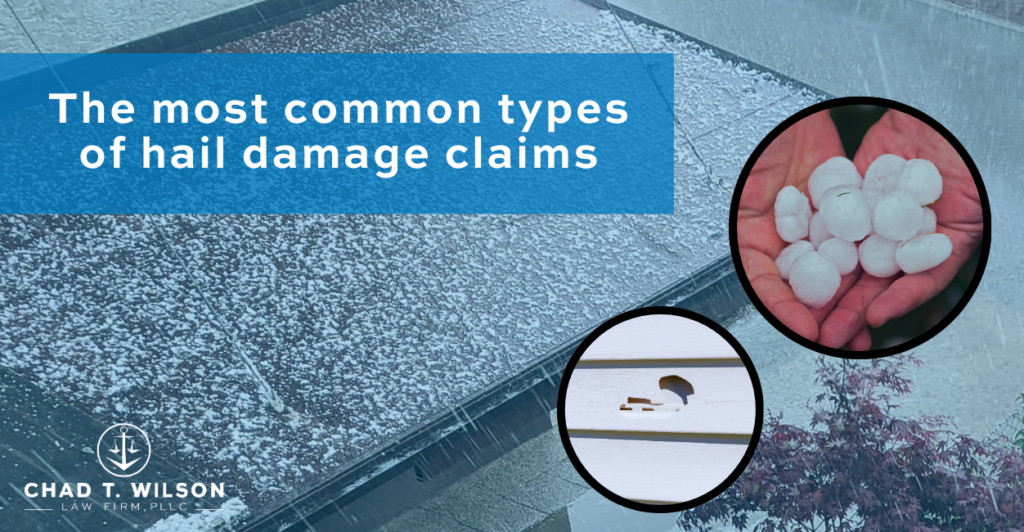
What are the most common types of hail damage claims?

Hailstorms can cause various types of property damage, leading to property insurance claims. The most common types of hail damage claims include:

It’s crucial to file a property hail insurance claim for a number of reasons:

  • Financial Protection: Your property, including cars, windows, siding, and roofs, may sustain major damage from hailstorms. You can pursue financial reimbursement for the repair or replacement of the damaged items by submitting an insurance claim. If you didn’t have insurance, you would have to pay for these things yourself.
  • Risk Mitigation: Insurance is a tool for risk transfer, or risk mitigation. You shift the financial risk of hail damage to the insurance provider by purchasing hail insurance. This guarantees that you may recover from the losses brought on by the hailstorm and helps safeguard your financial stability.
  • Policyholder’s Rights: If hail damage is covered by a current insurance policy, you are entitled to make a claim and be compensated in accordance with the terms of your policy. Making a claim is a requirement of the contract between you and the insurance company, and insurance companies are required to honor legitimate claims.
  • Preserving the Value of the Property: After a hailstorm, prompt repairs can help preserve the value of your property and stop additional damage. Ignoring hail damage and waiting to fix it could eventually result in more complex and expensive repairs.
  • Legal and commercial obligations: Should you own a mortgage on your home, the lender may demand that you keep up your insurance. In case you neglect to report hail damage and take appropriate action, you can be in breach of your mortgage contract.
  • Community Safety: If a hailstorm damages a community as a whole, submitting insurance claims jointly can help with the process of recovery and reconstruction. It facilitates the more efficient recovery of communities following natural disasters.

To guarantee a seamless and effective claims procedure, it’s critical to fully record the damage, give your insurance company precise information, and submit the claim as soon as possible. See your Property Insurance Attorney for advice if you have any questions concerning the coverage or the claims procedure.

Is your claim being denied or underpaid? Call Chad T. Wilson Law Firm, PLLC.

Speak with one of our attorney if you’re having trouble getting your claim processed or if the insurance company is attempting to pay less for the claim than is reasonable.
Contact us: https://cwilsonlaw.com/contact-us/ 

Learn more about our attorneys:
https://cwilsonlaw.com/meet-the-team-chad-t-wilson-law-firm-pllc-insurance-attorney/

Follow us on Social media:
https://beacons.ai/chadtwilsonlaw

Contact our Chad T. Wilson Law Firm Office Locations to Schedule a free Consultation.


Chad T. Wilson is an attorney whose firm specializes in property insurance disputes.

Written By:
Alejandro Caro

Schedule a free Consultation

Chad T. Wilson – Blogs and Resources
February, 5th 2024
Updated: February, 13th 2024 11:22 a.m.
Source: https://cwilsonlaw.com/

types of water Damage Insurance Claims

Water damage claims can arise from various sources, and the types of water damage can be categorized based on the cause and the affected property. The most common types of water damage insurance claims often result from common household issues, accidents, or environmental factors.

Here are some of the most prevalent types:

Insurance Coverage

Different types of water damage may be covered or excluded under your insurance policy. Insurance policies often have specific provisions for certain types of water damage, such as sudden and accidental leaks versus gradual or long-term damage. Understanding the nature of the damage will help you determine whether it falls within the scope of your coverage.

Claim Approval 

Knowing the specific cause and type of water damage enables you to provide accurate and detailed information when filing a claim. Insurance companies require thorough documentation, and providing precise details helps in the approval process. Misidentifying the cause may lead to claim denial or delays.

Cost Estimation 

The cost of repairs can vary depending on the type of water damage. Identifying the source and extent of the damage allows you to obtain accurate estimates for repairs. This information is crucial for both you and the insurance company to assess the financial impact of the claim.

Preventing Further Damage 

Different types of water damage may require different mitigation strategies. Knowing the cause allows you to take immediate steps to prevent further damage and minimize the impact on your property. Prompt action can also demonstrate to the insurance company that you are taking responsible measures to mitigate the loss.

Professional Assistance

Identifying the type of water damage often requires the expertise of professionals, such as water damage restoration specialists or plumbers. Their assessment can provide valuable documentation for your insurance claim and help ensure that all relevant information is considered.

Understanding the type of water damage in your home is crucial for a smooth and successful insurance claims process. It helps you navigate your policy coverage, provides accurate information for the claim, ensures appropriate actions are taken to prevent further damage, and allows for accurate cost estimation for repairs.

Is your claim being denied or underpaid? Call Chad T. Wilson Law Firm, PLLC.

Speak with one of our attorney if you’re having trouble getting your claim processed or if the insurance company is attempting to pay less for the claim than is reasonable.
Contact us: https://cwilsonlaw.com/contact-us/ 

Learn more about our attorneys:
https://cwilsonlaw.com/meet-the-team-chad-t-wilson-law-firm-pllc-insurance-attorney/

Follow us on Social media:
https://beacons.ai/chadtwilsonlaw

Chad T. Wilson – Blogs and Resources
February, 5th 2024
Updated: February, 5th 2024 01:55 p.m.
Source: https://cwilsonlaw.com/

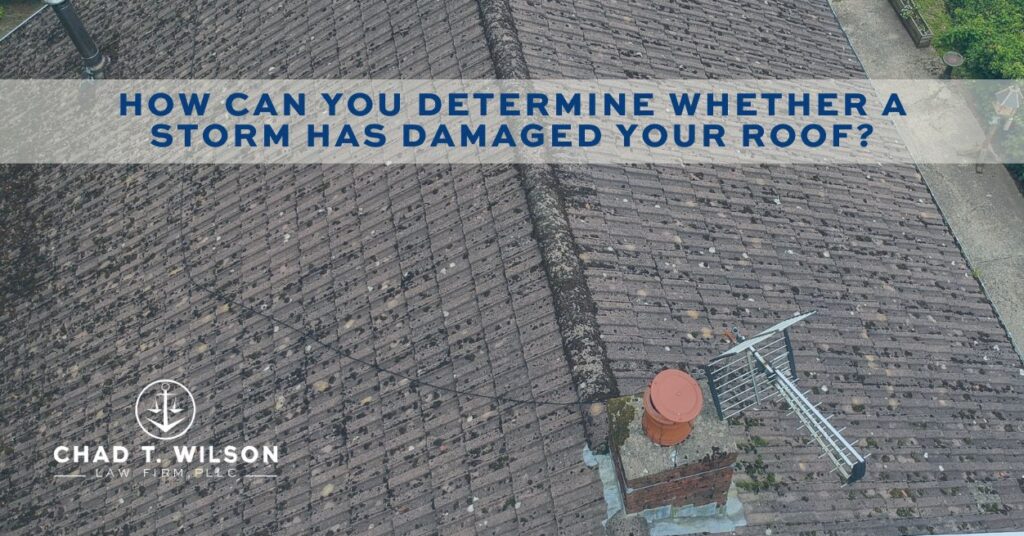
How can you determine whether a storm has damaged your roof?

Detecting damage on your roof is essential for timely repairs and insurance claims after any storm. If your home was hit by a hailstorm, windstorm, hurricane, tornado, fire, or other natural disaster, you should follow the following inspection steps.

Note: Before inspecting your roof, ensure your safety. Use a sturdy ladder and take necessary precautions to prevent accidents.

How can you determine whether a storm has amaged your roof?

What should you examine on your roof after a storm?

  • Check gutters, downspouts, and vents:
    Examine your gutters, downspouts, and roof vents for signs of damage. Look for dents, dings, or pockmarks on the metal surfaces.
  • Inspect the roof visually:
    Look for visible signs of damage from the ground. Binoculars may help you get a closer look. Pay attention to any dislodged or missing shingles.
  • Examine shingles:
    Go up on the roof to inspect the shingles more closely. Look for circular or semi-circular dents, cracks, or splits in the shingles. Hail damage may also cause granule loss, exposing the underlying asphalt.
  • Check for bruising:
    Press on the shingles gently to check for bruising. Hail damage can sometimes cause soft spots or depressions in the shingles.
  • Inspect metal components:
    Examine metal components such as flashing, vents, and chimney caps for dents or damage.
  • Look for signs of leaks:
    Check your attic for any signs of water leaks. Water stains, dampness, or mold growth are indicators that your roof may be compromised.
  • Document the damage:
    Take clear photographs of any hail damage you find. This documentation can be crucial when filing an insurance claim.
  • Professional inspection:
    If you’re unsure or if the damage seems extensive, consider hiring a professional roofing inspector. They have the expertise to assess the full extent of the damage.
  • Contact your insurance company:
    If you find roof damage, contact your insurance company as soon as possible. Provide them with the documentation and photographs you’ve taken. Follow their instructions for filing a claim.

Remember that roof damage may not always be immediately apparent. It’s advisable to inspect your roof after a severe weather event, especially if there has been hail. Early detection and prompt repairs can prevent further damage and ensure the longevity of your roof.

Is your claim being denied or underpaid? Call Chad T. Wilson Law Firm, PLLC.

Speak with one of our attorney if you’re having trouble getting your claim processed or if the insurance company is attempting to pay less for the claim than is reasonable.

Contact us: https://cwilsonlaw.com/contact-us/ 

Learn more about our attorneys:
https://cwilsonlaw.com/meet-the-team-chad-t-wilson-law-firm-pllc-insurance-attorney/

Follow us on Social media:
https://beacons.ai/chadtwilsonlaw

Contact our Chad T. Wilson Law Firm Office Locations to Schedule a free Consultation.


Chad T. Wilson is an attorney whose firm specializes in property insurance disputes.

Written By:
Alejandro Caro

Schedule a free Consultation

Chad T. Wilson – Blogs and Resources
February, 5th 2024
Updated: February, 5th 2024 01:55 p.m.
Source: https://cwilsonlaw.com/

How can you determine whether a storm has damaged your roof?

Detecting damage on your roof is essential for timely repairs and insurance claims after any storm. If your home was hit by a hailstorm, windstorm, hurricane, tornado, fire, or other natural disaster, you should follow the following inspection steps.

Note: Before inspecting your roof, ensure your safety. Use a sturdy ladder and take necessary precautions to prevent accidents.

How can you determine whether a storm has amaged your roof?

What should you examine on your roof after a storm?

  • Check gutters, downspouts, and vents:
    Examine your gutters, downspouts, and roof vents for signs of damage. Look for dents, dings, or pockmarks on the metal surfaces.
  • Inspect the roof visually:
    Look for visible signs of damage from the ground. Binoculars may help you get a closer look. Pay attention to any dislodged or missing shingles.
  • Examine shingles:
    Go up on the roof to inspect the shingles more closely. Look for circular or semi-circular dents, cracks, or splits in the shingles. Hail damage may also cause granule loss, exposing the underlying asphalt.
  • Check for bruising:
    Press on the shingles gently to check for bruising. Hail damage can sometimes cause soft spots or depressions in the shingles.
  • Inspect metal components:
    Examine metal components such as flashing, vents, and chimney caps for dents or damage.
  • Look for signs of leaks:
    Check your attic for any signs of water leaks. Water stains, dampness, or mold growth are indicators that your roof may be compromised.
  • Document the damage:
    Take clear photographs of any hail damage you find. This documentation can be crucial when filing an insurance claim.
  • Professional inspection:
    If you’re unsure or if the damage seems extensive, consider hiring a professional roofing inspector. They have the expertise to assess the full extent of the damage.
  • Contact your insurance company:
    If you find roof damage, contact your insurance company as soon as possible. Provide them with the documentation and photographs you’ve taken. Follow their instructions for filing a claim.

Remember that roof damage may not always be immediately apparent. It’s advisable to inspect your roof after a severe weather event, especially if there has been hail. Early detection and prompt repairs can prevent further damage and ensure the longevity of your roof.

Is your claim being denied or underpaid? Call Chad T. Wilson Law Firm, PLLC.

Speak with one of our attorney if you’re having trouble getting your claim processed or if the insurance company is attempting to pay less for the claim than is reasonable.

Contact us: https://cwilsonlaw.com/contact-us/ 

Learn more about our attorneys:
https://cwilsonlaw.com/meet-the-team-chad-t-wilson-law-firm-pllc-insurance-attorney/

Follow us on Social media:
https://beacons.ai/chadtwilsonlaw

Contact our Chad T. Wilson Law Firm Office Locations to Schedule a free Consultation.


Chad T. Wilson is an attorney whose firm specializes in property insurance disputes.

Written By:
Alejandro Caro

Schedule a free Consultation
Houston-Women-Blamed-For-Damage-From-Storm-Damage

A Houston client was forced to sue her insurance company, Allstate, because of the mismanagement of her claim and the actions of Allstate’s engineer and two of their adjusters. Allstate underpaid the claim after our client was initially told that all storm damages would be covered. Allstate then had a second inspection and hired an engineer to try to underpay our client and blame her for the interior damage to the property.

Thunderstorm Brings Violent Storm Damage

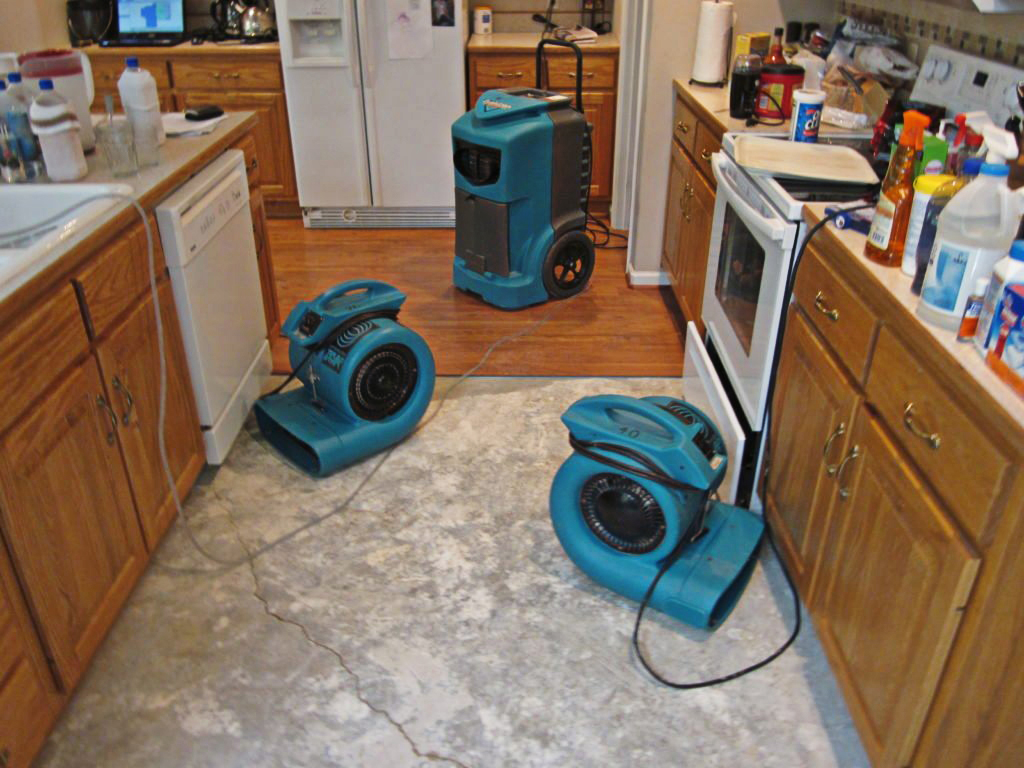
On February 25, 2018, a swath of thunderstorms pummeled the Houston area, filling the sky with lightning and torrential rains. Many residents experience power loss for several hours as a result of the high winds. The windstorm tore shingles from our client’s roof, which resulted in a leak that developed into pools of water on the kitchen floor. The water damaged the walls and flooring of her home.

Double Talk And The Run Around

At the initial inspection, Allstate’s representative told the insured that the damages were storm-related and would be covered under the policy. Instead of issuing payment, Allstate sent out a second adjuster who reviewed the damage and pinned the interior damage completely on our client. This second adjuster stated that there was damage to the roof,  but none of the interior damage was a result of the storm.  After months of no response from Allstate, they hired an engineer to justify the findings of the second adjuster.

Our third-party adjuster reviewed the damage just as Allstate had and determined there were some $12,000 in damages that Allstate had missed. Through our efforts, our client was able to replace the roof and repair all of the interior storm damage.

Houston Property Insurance Lawyers

Has your homeowner’s insurance claim been denied? We can help. Representing thousands of clients against big insurance companies, our home insurance claims attorneys aggressively protect the rights of the policyholder. Our consultations are free, and you owe us nothing until we win your case. Contact us today.

law firm sued Allstate Insurance

Law Firm Sued Allstate Insurance, We Won.

The Chad T. Wilson Law Firm sued Allstate Insurance for its role in denying our client’s insurance claim. We won.

The damage done to your home is more than a financial burden; it is also physically and emotionally draining. The effort involved to secure a reasonable outcome can be monumental. Bad homeowners insurance claims adjusters flourish in this turmoil. 

Just like one of our cases out of Harris County, on August 11th, 2016. A roaring windstorm blew through Houston, Texas on that evening. Our client’s roof damage was so bad that rainwater was able to leak into the garage ceiling and saturate the sheetrock causing the sheetrock to collapse. The lack of a garage ceiling exposed live electrical wires and junction boxes. Shortly after that, unsightly yellow water stains (the precursor to mold damage and a symptom of the water leaks) began appearing throughout the house.

We Protect Our Client’s Rights to a Fair Inspection

Allstate Insurance reviewed its adjuster’s inspection of the property and ultimately denied our client’s claim, crippling our client’s chances of any form of recovery. Not such good hands, after all. Texas protects policyholders from dishonest tactics such as these. Our third-party adjuster estimated $21,500 in real property damage to our client’s home and we were ready to go after Allstate for denying a valid claim.

Not until February 24th, 2017, did our clients have some restitution. The Chad T. Wilson Law Firm sued Allstate Insurance for its role in denying our client’s insurance claim. Repairs to our client’s home finally began late October 2019. Our clients won the case and the home was repaired.

Houston Property Insurance Lawyers
We can help with your homeowner’s insurance claim denial. Our experienced property insurance attorneys have represented over 1,000 clients in cases against insurance companies, aggressively protecting the rights of insurance policyholders. Consultations are free. Contact us today.