California Wildfire Lawsuits Uncover Disaster

California wildfire lawsuits

Two new lawsuits filed in Los Angeles are shining a spotlight on a worsening insurance crisis in California. Complaints allege that major home insurance companies, including State Farm, have colluded to limit coverage in wildfire-prone communities, forcing homeowners onto the state-run FAIR Plan. This last-resort plan offers only basic coverage and comes with high premiums, leaving thousands of policyholders underinsured and financially vulnerable after recent disasters.

Allegations of a Coordinated Industry Pullout

According to one of the lawsuits, insurers engaged in an “illegal scheme” by simultaneously withdrawing or halting new business in fire-prone areas beginning in early 2023. The lawsuit, filed on behalf of homeowners who lost their homes in the devastating January wildfires, claims this coordinated retreat violated California antitrust and unfair competition laws. The wildfires destroyed nearly 17,000 structures and resulted in at least 30 fatalities, leaving survivors struggling to rebuild with insufficient coverage.

The second lawsuit seeks broader damages for any policyholder forced onto the FAIR Plan after January 2023. The FAIR Plan caps residential coverage at $3 million, which for many homeowners falls far short of the cost to replace or rebuild homes in California’s inflated real estate market.

“By colluding to push plaintiffs and so many like them to the FAIR Plan, the defendants have reaped the benefits of high premiums while depriving homeowners of the full coverage they were ready, willing, and able to purchase,” said attorney Michael J. Bidart, representing the homeowners (KCRA News).

The FAIR Plan: Meant to Be Temporary, Now a Lifeline

The California FAIR Plan is an insurance pool funded by private insurers and designed for homeowners who cannot attain traditional coverage. While intended as a short-term solution, the plan has seen explosive growth. As of March 2025, over 555,000 California homes are insured under FAIR—more than double the number in 2020.

One reason insurers may be driving homeowners toward FAIR is that they do not bear the full burden of financial liability for FAIR payouts. After California’s top insurance regulator ordered insurers to contribute $1 billion to help the plan cover wildfire-related losses, a controversial provision allowed half the cost to be passed onto policyholders statewide. This sparked yet another lawsuit, challenging the legality of the surcharge.

Industry Response and Regulatory Challenges

Insurers argue that their decisions stem from the increasing difficulty of pricing risk due to climate change. As wildfires grow in frequency and intensity, insurers claim they must adjust their exposure to stay solvent. The American Property Casualty Insurance Association called the lawsuits “meritless,” stating that they comply with California antitrust laws and work to solve long-term challenges in the insurance market.

Meanwhile, California’s Department of Insurance has introduced regulations to encourage companies to return to high-risk areas. These include allowing insurers to factor climate risk and reinsurance costs into premiums—a move that may raise rates across the board but potentially restore access to coverage for at-risk homeowners.

“Californians deserve a system that works—one where decisions are made openly, rates reflect real risk, and no one is left without options,” said Gabriel Sanchez, spokesperson for the department (KCRA News).

What This Means for Policyholders 

At the Chad T. Wilson Law Firm, we’ve closely monitored how insurance carriers respond to climate-driven disasters—and we’ve consistently seen a troubling trend: delayed claims, dropped policies, and a growing reliance on state-backed, bare-bones insurance plans.

The case in California is just one part of a national issue. From wildfires in the West to hurricanes in the Gulf and hailstorms in the Midwest, property owners across the country are discovering that the insurance they thought would protect them no longer meets their needs.

Practice Areas

If your insurance claim has been denied, delayed, or underpaid—or if you’ve been forced into a limited policy like a FAIR Plan—you are not without options. Our firm stands ready to challenge bad faith practices and ensure policyholders receive the full compensation they’re owed.

Minnesota Homeowners Face Shrinking Insurance Coverage

As severe weather season approaches in Minnesota, many homeowners are taking a closer look at their property insurance—only to find that coverage isn’t what it used to be. According to a recent report by CBS Minnesota, insurance companies in the state are quietly rolling back protections, increasing deductibles, and limiting how storm-related damage—particularly roof claims—is handled.

Unfortunately, this trend isn’t unique to Minnesota. At Chad T. Wilson Law Firm, we’ve seen these tactics play out in Texas, Colorado, Florida, and California, where insurers have responded to rising climate-related losses by cutting corners—often at the expense of the very policyholders they promised to protect.

With extreme weather events becoming more frequent and insurance companies pulling out of Texas, residents are facing tough decisions. Some are forced into the Texas FAIR Plan, a last-resort insurance option for those denied coverage, while others are considering going without insurance entirely—a risky gamble in a state prone to hurricanes, tornadoes, and hailstorms.

The Shifting Landscape of Roof Coverage

One of the biggest changes Minnesota homeowners are now facing? A dramatic shift in how insurers handle hail damage and roof claims.

“Hail losses, specifically as it relates to roofs, are some of the biggest cost drivers right now,” said Aaron Cocking, an insurance industry lobbyist. To recoup losses, insurance companies are increasingly prorating roof claims—meaning the amount they’ll pay depends on the age of your roof—and applying separate deductibles based on damage type, rather than using a single, standard deductible.

This practice mirrors what we reported in Texas, where we covered how increasingly complex policy language and selective coverage limitations are leading to widespread confusion—and in some cases, outright denial of valid claims.

Homeowners Are Often Unaware Until It’s Too Late

“Many homeowners think, ‘I’ve got home insurance—I’m covered,'” said Cocking, “but they don’t actually read into it.”

This is a dangerous assumption, and one that’s exploited all too often. As noted in our recent coverage of the Texas insurance crisis, more and more policyholders are learning—after damage occurs—that their policies exclude or drastically underpay storm-related repairs.

Dan Walrach, a Minnesota-based contractor, echoed this concern. “Read your policy,” he advised. “If you don’t know how to read your policy, find someone to help you read it.”

What Homeowners Should Do Now

This is sound advice for anyone living in a storm-prone region. Here are key steps every homeowner should take to protect themselves:

  • Review Your Policy Now – Don’t wait for damage to happen. Know your deductibles, exclusions, and whether your roof is covered at replacement cost or actual cash value.
  • Ask Questions – Contact your agent and ask specific questions about hail, wind, and water damage.
  • Document Everything – Take photos of your roof and exterior now, before storm season, as a baseline for future claims.
  • Know Your Rights – If you feel a claim has been unfairly denied, underpaid, or delayed, contact a qualified insurance attorney.

How Chad T. Wilson Law Firm Can Help

At Chad T. Wilson Law Firm, we specialize in helping policyholders fight back when insurance companies fail to honor their contracts. Whether you’re in Minnesota, Texas, or any other storm-prone state, we understand how to navigate complex insurance disputes and hold carriers accountable.

If your claim has been denied, delayed, or underpaid, contact us for a free case evaluation. We don’t get paid unless you do.

Insurance Companies Denied The Most Claims

The challenges facing homeowners in disaster-prone areas have grown exponentially, particularly in California. In 2023, three major home insurance companies in the state denied claims at rates significantly higher than the national average, according to a report from Weiss Ratings (source). This trend raises concerns about the state of home insurance amid a climate crisis that continues to increase the frequency and severity of natural disasters. Here are the insurance companies that denied the most claims.

The Numbers Behind the Insurance Denials

Weiss Ratings found that affiliates of Farmers Insurance, based in Los Angeles, denied approximately 50% of claims in California in 2023. USAA affiliates followed closely, declining 48% of claims, while Allstate Insurance, headquartered in Illinois, denied 46% of claims. These figures are starkly higher than the nationwide claim denial rate of 37% and represent a sharp increase from 25% two decades ago.

It’s important to note that these numbers reflect claims denied before California’s devastating wildfires in Los Angeles, which have destroyed more than 12,000 structures. The surge in climate-related disasters has sent insurance costs soaring and, in some cases, prompted insurers to drop coverage in high-risk areas altogether (sourc

Understanding Why Insurance Claims Are Denied

While the Weiss report paints a concerning picture, insurance companies argue that the numbers are more nuanced than they appear. Many of the denied claims cited in the report were closed without payouts because:

  • Damages Did Not Exceed the Deductible: Claims were below the policy’s threshold for coverage.

  • Policy Exclusions: The reported damage was not covered under the specific policy.

Despite these explanations, the end result for policyholders remains the same—no financial assistance to repair or rebuild after damage.

The Climate Crisis and Its Impact on Insurance

Martin Weiss, CEO of Weiss Ratings, attributes the rise in denied claims to the increasing number of climate-related disasters that inflict severe damage or total destruction on homes. The human-driven climate crisis has made extreme weather events more frequent, leaving insurers grappling with soaring costs.

In response to the Los Angeles wildfires, California Insurance Commissioner Ricardo Lara took action to protect affected policyholders. Lara prohibited insurance companies from dropping or refusing to renew policies for up to a year for those impacted by the fires, ensuring homeowners have a safety net as they recover (source).

“Losing your insurance should be the last thing on someone’s mind after surviving a devastating fire,” Lara stated.

What This Means for Homeowners

The Weiss report highlights a critical issue for policyholders: even with protections against non-renewals, insurers are not obligated to approve all claims. This underscores the importance of understanding your policy’s terms, including coverage limits, exclusions, and deductibles.

For homeowners facing denied or underpaid claims, working with an experienced insurance attorney can make all the difference. Legal representation can help policyholders navigate the complex claims process, challenge unfair denials, and secure the compensation they deserve.

How Chad T. Wilson Law Firm Can Help

At Chad T. Wilson Law Firm, we specialize in holding insurance companies accountable for their obligations to policyholders. If your claim has been denied or underpaid, our dedicated team is here to fight for your rights and ensure you receive a fair resolution.

Don’t let your insurance company shortchange you in your time of need.

Contact us today for a free consultation and let us help you rebuild with confidence.


In a significant move affecting Texas homeowners, Progressive Insurance has announced a temporary suspension of offering new homeowners insurance policies in the state. This decision comes on the heels of Hurricane Beryl’s devastation across Houston and raises concerns about the stability of the homeowners insurance market in Texas.

At Chad T. Wilson Law Firm, we understand the challenges that homeowners face when navigating insurance claims, especially during times of crisis. This article aims to provide a comprehensive overview of the situation and offer guidance to those affected.

Progressive’s Decision and Its Implications

Temporary Restriction on New Policies

In a recent letter to shareholders, Progressive Insurance CEO Tricia Griffith stated that the company is “temporarily restricting new homeowners’ business” in Texas. The move is part of a strategic effort to reduce the impact of weather-related volatility on the company’s portfolio.

Focus on Weather-Related Risks

Griffith emphasized the importance of shifting the company’s geographic mix, focusing on growing in states with lower weather risks while reducing exposure in areas more susceptible to catastrophic events like hurricanes and hailstorms.

Impact on Existing Policyholders

While the suspension currently affects new policies, there is concern among existing policyholders about potential non-renewals or premium increases. In Florida, Progressive previously dropped 115,000 policyholders due to similar concerns over natural disasters.

Wind Damage Claims Lawyer

Rising Insurance Costs for Texas Homeowners

Homeowners across Texas are experiencing significant hikes in insurance premiums. Some residents have reported increases from $2,600 to $8,800 within a year, making it increasingly difficult to maintain adequate coverage.

Comparison with National Averages

According to Bankrate, Texas homeowners pay an average of $3,898 for $300,000 in dwelling coverage—72% more than the national average of $2,270. These escalating costs highlight the growing financial strain on Texas residents.

What Is an Insurance Appraiser and What Do They Do?

Other Insurers Following Suit

Progressive is not alone in this trend. Foremost Insurance, a subsidiary of Farmers Insurance, ceased writing and renewing new policies shortly before Hurricane Beryl struck. In communications to customers, the company cited a reassessment of risks related to natural and catastrophic losses.

Potential for a Widening Crisis

The withdrawal of major insurers from the Texas market could exacerbate the homeowners insurance crisis, limiting options for residents and potentially leading to higher rates due to decreased competition.

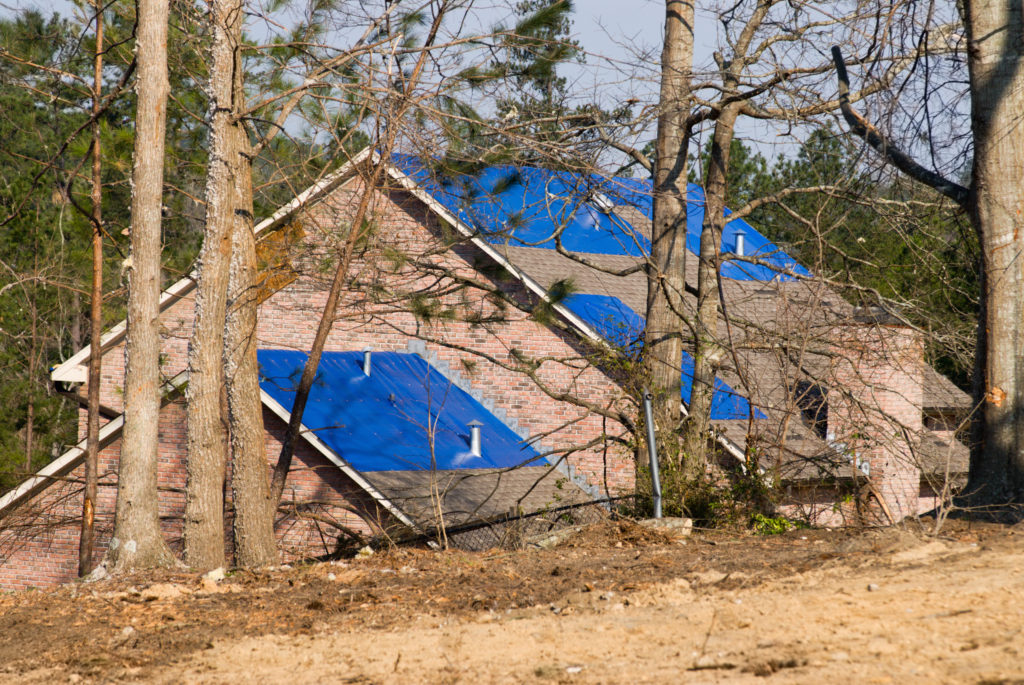
tornado damaged house with a blue tarpaulin on the roof

Options for Texas Homeowners

Texas Fair Plan Association

For those struggling to obtain coverage, the Texas Fair Plan Association (TFPA) offers a lifeline. Established by the Texas Legislature in 1995, TFPA provides basic property insurance for eligible Texas homeowners who are unable to secure coverage through the voluntary market.

Considerations

While TFPA can be a valuable resource, policies may come with limitations and higher premiums. Homeowners should carefully assess their coverage needs and explore all available options.

Insurance Adjusters

Legal Recourse and Support

Understanding Your Rights

If your insurance policy has been non-renewed or you are facing exorbitant premium increases, it’s crucial to understand your legal rights. Insurance companies are obligated to follow state regulations when making such decisions.

How Chad T. Wilson Law Firm Can Help

Our firm specializes in representing policyholders in disputes with insurance companies. We offer:

  • Free Consultation: Assess your situation with no obligation.
  • Expert Representation: Navigate the complexities of insurance law with seasoned professionals.
  • Contingency Basis: No fees unless we secure a recovery on your behalf.

Steps to Take if Affected

  1. Review Your Current Policy: Understand the terms, coverage limits, and any notices of changes or non-renewal.
  2. Explore Alternative Insurance Options: Seek quotes from other reputable insurers still operating in Texas.
  3. Consult with an Attorney: If you believe your rights are being infringed upon, legal advice can provide clarity and direction.
  4. Stay Informed: Monitor communications from your insurer and stay updated on industry developments.

Conclusion

The decision by Progressive Insurance to halt new homeowners policies in Texas underscores the challenges facing the state’s insurance market. As natural disasters become more frequent and severe, homeowners must be proactive in securing adequate coverage and advocating for their rights.

At Chad T. Wilson Law Firm, we are committed to assisting Texas homeowners during these uncertain times. If you have concerns about your insurance coverage or need legal assistance, please reach out to us.

Contact Us Today

Stay Protected. Stay Informed. We’re Here to Help.


Tips for 2024 Derecho and Hurricane Beryl Storm Claims


Texas residents and property owners continue to be absorbed in the post-derecho of 2024, and Hurricane Beryl. Navigating the storm of insurance claims can be maddening and confusing. But that’s not surprising when your house or business is damaged or destroyed and you are dealing with property damage and loss. Here’s a brief blog to address the concerns that most Texas citizens will have after going through a tumultuous time and dealing with an insurer or insurers on a claim.

Reviewing Policy for Derecho and Beryl Claims

Whether you have suffered a home covered by your insurance or not, the first thing you want to do with your insurance company is to read – or better yet, have an attorney read – your policy. This is the document that spells out what is and is not covered in the event of windstorms, hail damage, flood damage and other natural disasters that are often a part of a derecho and a hurricane.

  • Make sure there’s no exclusion on the policy for the things you care about – for example, water damage from certain types of plumbing problems or mold.
  • You Live in the Family Home: Did you know that, for a fire-related claim, you must stay in the home and ensure it is habitable? Know Your Deductibles: Did you know that you have to pay deductibles out of pocket before insurance starts paying your claims?

Common Reasons for Claim Delays and Denials

There why an insurance claim might be delayed or denied – none of them absolute nightmare scenarios, but all of them worth knowing about so you can avoid the common traps.

  • Incomplete Documentation:

    One of the most significant causes for delays is incomplete documentation.
    • Submit all required forms and evidence promptly.
    • Keep detailed records, including photos and receipts.
  • Policy Exclusions:

    Policies often contain specific exclusions that can complicate claims.
    • Carefully read the exclusions section to understand what is not covered.
    • Consult with an attorney if you have concerns about the language of your policy.

Handling Disputes with Your Insurance Company

Unfortunately, disagreements over benefits are not uncommon between policyholders and insurers, especially after a widespread disaster has occurred. Here are some things you can do if you find yourself in a dispute.

  • Always request detailed explanations for any denials or reductions of your claim.
  • Ask for an Unbiased Review: Hire an independent appraiser to come in and review what was broken and objectively describe what was damaged.
  • Keep a Timeline: Keep a meticulous timeline of all your interactions and communications with your insurance company.
  • Document Everything: Writing is better than talking, if you get the message in writing.

Legal Recourse

And if everything else fails, filing a lawsuit may be your last resort. The Chad T. Wilson Law Firm represents policyholders in this regard.

When to Contact an Attorney

It’s not easy to know when to contact an attorney, but typically if your claim is significantly delayed, if you are wrongly denied, or if settlements are extremely low, you should consider hiring an attorney.

  • Prolonged Delays:

    If your claim is delayed without reasonable cause.
  • Unfair Denials:

    If you believe your claim has been unjustly denied.

How We Can Help

Our firm, the Chad T Wilson Law Firm, helps policyholders recover the full measure of their recoverable benefits. We are skilled insurance policy specialists and work to make sure you receive the benefits you are owed.

  • Free Consultation:

    We offer a free consultation to evaluate your case.
  • Contingency Basis:

    based on contingency fees – you don’t pay unless we recover a settlement on your behalf.

Steps to Strengthen Your Claim

Here are some things you can do to prepare yourself well in advance to make a stronger case:

  • Photograph Everything:

    Take multiple photographs of the damage from various angles.
  • Secure Temporary Repairs:

    If possible, secure temporary repairs to prevent further damage.
  • Collect Receipts:

    Obtain receipts for temporary repairs and lodging if you need to leave your home.
  • Keep All Communications:

    Save every email, letter, and note related to your claim.
  • Create a Claim Diary:

    A diary keeping track of every step you take and every person you contact can be useful.

Conclusion

Despite the trauma of surviving the 2024 derecho and Hurricane Beryl (and the aftermath of the record-breaking insurance claims), you don’t have to feel that you’re back in the deep end. You can educate yourself about your policy; know what kinds of claims are most commonly denied; and, when needed, work with an attorney.

The Chad T Wilson Law Firm is dedicated to helping Texans rebuild and recover through these trying times. If you find yourself in a fight with your insurance company over a claim, call us today for a free consultation and let us help you get the compensation you deserve.

Learn more about us at cwilsonlaw.com or call 833-942-0678 to schedule a consultation.

Insurance Attorney Can Be Your Beacon After Texas Storms

In the wake of the devastating storms that swept through Texas, countless residents are now embarking on the challenging journey of recovery. This path is often complicated by the daunting task of navigating insurance claims, particularly when faced with denials or underpayments by insurance companies. This is where the Chad T. Wilson Law Firm emerges as your advocate and guide, ensuring that you traverse these complex legal pathways with confidence and obtain the compensation you rightfully deserve.

Our firm is anchored by a formidable team of dedicated property insurance attorneys, who specialize in the nuances of storm damage claims, including Texas windstorm and hail damage. The Chad T. Wilson Law Firm operates on the foundational belief that justice for policyholders should be unwavering and pursued with tenacity. Our legal expertise encompasses a broad spectrum of storm-related damages, highlighting our role as a leading hail damage claim and wind damage attorney. We stand as a beacon of hope and unwavering support for Texans who find themselves at the mercy of an insurance system that too often seeks to minimize payouts rather than alleviate loss.

Why You Need a Champion in Your Corner

Our firm has consistently observed countless instances where insurance companies, under the guise of complex policies and provisions, deny or undervalue legitimate claims. This practice, unfortunately common, leaves policyholders stranded. The aftermath of the Texas storms has vividly illustrated this issue, with innumerable families and businesses discovering their pathways to recovery unjustly obstructed by insurance denials.

The necessity of engaging a storm damage lawyer in these situations is paramount. The Chad T. Wilson Law Firm not only provides you with stalwart legal representation but a team deeply familiar with both the Texas environment and the unique challenges posed post-storm. Our attorneys excel at unraveling the complex language of insurance policies and identifying key elements that can transform a denied hail damage claim into a successful recovery, all within the hail damage claim time limit.

Your Recovery is Our Priority

Our strategy is rooted in thorough analysis and assertive representation. When we take on your case, it becomes a mission. We meticulously assess the damages, carefully review your insurance policy’s terms, and craft a strong case aimed at securing your rightful compensation. Our considerable success stories echo our legal prowess and steadfast commitment to our clients’ welfare.

The Chad T. Wilson Law Firm works on a contingency basis, affirming our confidence in our ability to deliver results. This means you incur no out-of-pocket expenses; our compensation is tied to the successful outcome of your case. In essence, our interests align perfectly with yours — securing the maximum recovery for your storm-related losses.

Empowerment through Legal Advocacy

At the core of our practice is empowerment. By lifting the legal burden from your shoulders, we enable you to focus on rebuilding, knowing your claim is managed by experienced professionals. Our team diligently navigates legal complexities, liaises with insurance companies on your behalf, and fights for the compensation you legally deserve.

The unpredictable Texas weather can wreak havoc, leaving behind a path of destruction. Yet, the journey to secure a fair insurance settlement in the wake of such events should not exacerbate your stress. With the Chad T. Wilson Law Firm at your side, representing you as your trusted wind damage attorney and storm damage lawyer, you’ve secured a formidable ally against the injustices of the insurance claims process.

The Path Forward

Recovery from the Texas storms is a daunting challenge. However, with the Chad T. Wilson Law Firm by your side, you have an empowered ally to guide you through the chaos that follows. We invite you to take advantage of our expertise, compassion, and relentless pursuit of justice for Texas policyholders.

The journey to recovery is undoubtedly filled with hurdles, but it’s a journey you don’t have to make alone. Contact us for a free consultation — let’s explore how our dedicated team can help you reclaim your peace of mind and secure the compensation necessary for rebuilding. In the face of a storm’s aftermath, remember, you have rights. Let Chad T. Wilson Law Firm be your voice.

Is your claim being denied or underpaid? Call Chad T. Wilson Law Firm, PLLC.

Speak with one of our attorney if you’re having trouble getting your claim processed or if the insurance company is attempting to pay less for the claim than is reasonable.

Contact us: https://cwilsonlaw.com/contact-us/ 

Follow us on Social media: https://beacons.ai/chadtwilsonlaw

Contact our office locations to schedule a free consultation.


Chad T. Wilson is an attorney whose firm specializes in property insurance disputes.

Schedule a free Consultation

Chad T. Wilson – What Is the Difference Between RCV and ACV Coverage? (2024)
April 25th, 2024
Source: https://cwilsonlaw.com/
https://www.opic.texas.gov/residential-property-insurance/basics/acv-vs-rcv/

So what is the difference between RCV (replacement cost value) insurance and ACV (actual cash value) insurance?

What is RCV and ACV?

If you have replacement costs or RCV coverage, your insurance policy will pay the cost to repair or replace your damaged property without deducting depreciation.

If you have actual cash value or ACV coverage, your insurance policy will pay the depreciation costs to repair or replace your damaged property.

Regardless of what type of policy you have, the company will first pay you the ACV of an item, which means depreciation will be withheld.

If your policy allows RCV coverage, once the property is replaced, they will release the deductible depreciation, giving you the full replacement cost of your policy. If you upgrade your policy, the difference will be your financial responsibility as the insurance company will not allow the upgrade.

All additional estimates must be submitted to your insurance company for approval. If you’re not sure what type of coverage you have, check the declarations page of your home insurance policy to see if it offers replacement cost coverage.

If it specifies a replacement cost, then you will benefit from replacement cost coverage. If it doesn’t specify a replacement cost, your policy likely only covers actual cash value. Remember that there are different ways for your insurance company to handle your claim, depending on the type of insurance policy you have.

RCV (Replacement Cost Value)

Replacement cost settlement ensures that you receive compensation equivalent to the current market value needed to replace a damaged item. Let’s consider the case of replacing a 10-year-old roof, which is estimated to cost $30,000. With a deductible of $1,500 and a recoverable depreciation of $15,000, the insurance company initially provides an Actual Cash Value (ACV) payment of $13,500. Upon completing all necessary repairs, you become eligible to claim the remaining $15,000 in recoverable depreciation. 

This means you can potentially recover up to $28,500 after all claim payments have been processed, ultimately covering just your deductible. The insurance payout calculation involves deducting the recoverable depreciation and deductible from the cost of the new roof, resulting in an initial payment of $13,500. Subsequently, once repairs are finalized, you can claim the remaining $15,000 in recoverable depreciation, leading to a total insurance claim settlement of $28,500 after all adjustments have been made.

ACV (Actual Cash Value)

Now, let’s consider a scenario where we compare the insurance settlement approaches. An Actual Cash Value (ACV) settlement allows the insurer to compensate you for the cost of repairing or replacing your property, minus depreciation. Depreciation, representing the decline in asset value over time due to age or usage, is calculated at $1,000 per year. For instance, if the cost to replace a 10-year-old roof is $30,000, with a deductible of $1,500 and an irrecoverable depreciation of $15,000, the ACV payment from the company would amount to $18,500.

Under your insurance policy, your out-of-pocket expense will be limited to your deductible amount. In the case of a Replacement Cost Value (RCV) policy, you might also need to cover the recoverable depreciation. Keep in mind that the insurance company won’t automatically reimburse you for recoverable depreciation; you’ll need to provide supporting documentation, like paid receipts for repairs and relevant photos. You’ll have a specific timeframe to submit these documents for the company to consider releasing any recoverable refund funds.

The insurance payment is calculated by taking the cost of the new roof, which is $30,000. Next, you subtract the depreciation, which is $1,000 per year over 10 years, giving you a total depreciation of $10,000. Then, subtract the deductible of $1,500. This results in a total insurance payment of $18,500.

You will be responsible for your deductible and the remainder of the difference. As evident, the same damage can yield varying insurance payments. While an Actual Cash Value (ACV) policy typically offers lower premiums compared to Replacement Cost Value (RCV) policies, the latter aims to fully compensate the policyholder for covered losses. Understanding your policy and selecting the most suitable option is crucial. For any additional questions or concerns, it’s advisable to contact your insurance agent or company.

Chad T. Wilson – Resources
January 15, 2024
Updated: January 15, 2024 09:20 a.m.
Source: https://cwilsonlaw.com

What to do if your pipes freeze during a winter storm 2024 Update

  • In frigid weather, set your home’s thermostat above 55 degrees.
  • Pour cold water into the faucet that is furthest away from your main valve. Water in motion prevents pipes from freezing.
  • Find emergency shut-off valves.
  • In locations without heat, insulate pipes.
  • To warm the pipes, open the cabinets and vanities.
  • Shut off the internal water supply valves.
  • Open the outside spigots to allow to drain water out.
  • Keep the outside valve open to allow any leftover water in the pipe to expand without rupturing.
  • Turn off the water at outside spigots and remove all water from the line when freezing weather is predicted.

Water utilities are responsible for water mains and pipe lines that connect to your home, but not pipes located on your property. If a pipe bursts on your property, call a plumber immediately for repairs. Help protect your pipes from potential damage and avoid costly repairs by following these steps.

Here are some tips to help avoid frozen pipelines in the future:

  • In frigid weather, set your home’s thermostat above 55 degrees.
  • Pour cold water into the faucet that is furthest away from your main valve. Water in motion prevents pipes from freezing.
  • Find emergency shut-off valves.
  • In locations without heat, insulate pipes.
  • To warm the pipes, open the cabinets and vanities.
  • Shut off the internal water supply valves.
  • Open the outside spigots to allow to drain water out.
  • Keep the outside valve open to allow any leftover water in the pipe to expand without rupturing.
  • Turn off the water at outside spigots and remove all water from the line when freezing weather is predicted.

Water utilities are responsible for water mains and pipe lines that connect to your home, but not pipes located on your property. If a pipe bursts on your property, call a plumber immediately for repairs. Help protect your pipes from potential damage and avoid costly repairs by following these steps.

How can you Prevent Your Pipes From Freezing During a Winter Storm in the future?

The pipes in unheated interior spaces, such as garages, attics, and basements, are the most vulnerable. However, pipes that pass through external walls or cupboards may also freeze. The good news is that you can maintain dry conditions in your home and running water by taking a few easy steps.

The American Red Cross, which deals with emergency preparedness, and the IBHS both offer helpful tips on how to keep your pipes from freezing and how to thaw them if they do.

Why Pipe Freezing is Such a Serious Problem:

One peculiar characteristic of water is that it expands when it freezes. Anything holding it in place, such as metal or plastic pipes, is under extreme pressure from this expansion. Expanding water has the potential to shatter pipes, regardless of how sturdy the container is.

The most commonly freezing pipes are:

  • Pipes that are subjected to extreme cold, such as sprinkler lines, swimming pool supply lines, and outdoor hose bibs.
  • Water supply pipes in unheated interior places such basements and crawl spaces, attics, garages, or kitchen cabinets.
  • Pipes that run against exterior walls that have minimal or no insulation.

Here are some tips to help avoid frozen pipelines in the future:

  • In frigid weather, set your home’s thermostat above 55 degrees.
  • Pour cold water into the faucet that is furthest away from your main valve. Water in motion prevents pipes from freezing.
  • Find emergency shut-off valves.
  • In locations without heat, insulate pipes.
  • To warm the pipes, open the cabinets and vanities.
  • Shut off the internal water supply valves.
  • Open the outside spigots to allow to drain water out.
  • Keep the outside valve open to allow any leftover water in the pipe to expand without rupturing.
  • Turn off the water at outside spigots and remove all water from the line when freezing weather is predicted.

Water utilities are responsible for water mains and pipe lines that connect to your home, but not pipes located on your property. If a pipe bursts on your property, call a plumber immediately for repairs. Help protect your pipes from potential damage and avoid costly repairs by following these steps.

What to do if your pipes freeze during a winter storm: 2024 Update

Even interior pipes can freeze in subzero conditions.

The likelihood of your pipes freezing and rupturing increases dramatically when the weather drops. According to the Insurance Institute for Business and Home Safety, burst pipes are one of the most frequent reasons for property loss during extremely cold weather. They can quickly result in thousands of dollars worth of water damage, or even more. If you experience frozen pipes at your home or business after a winter storm, continue reading this article.

Here are several steps you can take if your pipes freeze during a winter storm this 2024:

  • Activate the faucet and leave it running. In the future, a burst pipe can be avoided by letting the faucet drip, even a little bit.
  • Use a hair dryer to gently apply heat to the frozen spot. Air should be directed toward the faucet end of the pipe and progressively moved toward the coldest part. Take caution not to blow a fuse or overheat the hair dryer. Avoid using a propane torch since it might cause damage to the pipe and increase the risk of a fire.
  • Don’t stop heating until the water pressure is fully restored. Keep applying heat. Even so, after the pipe has thawed, it’s a good idea to leave the faucet open for a few minutes. This will allow the ice to get far enough away from the line.
  • Examine every faucet in your house to look for any further frozen pipes and prevent pipes from freezing in the future. It’s possible that other pipes have been impacted by one frozen pipe.

The pipes will probably take half an hour to thaw. This might change, though, based on the temperature, the length of time the pipe has been frozen, and its location. If none of the aforementioned actions work for you, you should contact a plumber for help.

How urgent is a burst pipe?

Put an end to the leaky pipes as soon as possible!

Even over brief periods of time, undetected burst pipes can result in significant property damage and higher water costs. Known as “water damage,” this problem can lead to flooding, damage walls and furniture, and ruin existing flooring.

Will homeowner insurance cover damage from frozen pipes?

Most homeowner and commercial property insurance policies, in general, will cover damage from a frozen pipe that bursts.

What to do if your insurance claim is denied or underpaid after a pipe burst causes water damage?

You might be able to file a lawsuit against your insurance provider if a burst pipe caused damage to your property and they either rejected your claim or paid you significantly less than the true cost of the damage. A pipe damage attorney can assist you in determining what to do next. Allow The Chad T. Wilson Law Firm insurance lawyers in Houston to defend your rights to justice and recompense. For a free consultation, reach out to us today. If your lawsuit is unsuccessful, there will be no payment due.

How can you Prevent Your Pipes From Freezing During a Winter Storm in the future?

The pipes in unheated interior spaces, such as garages, attics, and basements, are the most vulnerable. However, pipes that pass through external walls or cupboards may also freeze. The good news is that you can maintain dry conditions in your home and running water by taking a few easy steps.

The American Red Cross, which deals with emergency preparedness, and the IBHS both offer helpful tips on how to keep your pipes from freezing and how to thaw them if they do.

Why Pipe Freezing is Such a Serious Problem:

One peculiar characteristic of water is that it expands when it freezes. Anything holding it in place, such as metal or plastic pipes, is under extreme pressure from this expansion. Expanding water has the potential to shatter pipes, regardless of how sturdy the container is.

The most commonly freezing pipes are:

  • Pipes that are subjected to extreme cold, such as sprinkler lines, swimming pool supply lines, and outdoor hose bibs.
  • Water supply pipes in unheated interior places such basements and crawl spaces, attics, garages, or kitchen cabinets.
  • Pipes that run against exterior walls that have minimal or no insulation.

Here are some tips to help avoid frozen pipelines in the future:

  • In frigid weather, set your home’s thermostat above 55 degrees.
  • Pour cold water into the faucet that is furthest away from your main valve. Water in motion prevents pipes from freezing.
  • Find emergency shut-off valves.
  • In locations without heat, insulate pipes.
  • To warm the pipes, open the cabinets and vanities.
  • Shut off the internal water supply valves.
  • Open the outside spigots to allow to drain water out.
  • Keep the outside valve open to allow any leftover water in the pipe to expand without rupturing.
  • Turn off the water at outside spigots and remove all water from the line when freezing weather is predicted.

Water utilities are responsible for water mains and pipe lines that connect to your home, but not pipes located on your property. If a pipe bursts on your property, call a plumber immediately for repairs. Help protect your pipes from potential damage and avoid costly repairs by following these steps.

Take Your Time When Purchasing Property Insurance
Why It’s Important To Take Your Time When Purchasing Property Insurance

When you see a doctor, you expect that they will take their time to do their job and understand the need for your visit. When investing money in a business opportunity, you would want to review all available information to make the best decision for your money. The same may be said when taking your car into the shop. When purchasing a service, the reason for your visit is more important than how fast you get the service. Learn how to make your property insurance purchase a smooth transaction.

More insurance carriers are making it easier for first-time homeowners to get home insurance. Obtaining property insurance expeditiously is important. Larger insurance companies can move quickly when it comes to purchasing insurance and smaller insurance companies are following the trend. What is the best insurance and what can you do to avoid making a mistake when purchasing it?

Choosing the Right Coverage

The most important thing in any business is to provide excellent customer service. This includes ensuring that the policyholder has all necessary coverages and not just encouraging them with products they will never use or be able to afford.

When an insurance provider rushes through the purchasing process without thoroughly understanding their customer’s needs, they’re harming not only themselves but also other parties involved in this transaction. By focusing on profits instead of getting to know your clientele and what coverages are needed for them – you hurt everyone who has been relying upon these policies!

A company should never sacrifice its morals just because it wants more customers or greater profit margins; doing so will only come back around at some point anyway with negative consequences that could’ve easily been avoided by taking care beforehand.

Homeowner’s insurance or any type of insurance for that matter is a serious subject. Inadequate coverage can result in financial catastrophe. Insurance companies are in the business of making money, they cannot increase their profits if they roll over and pay every insurance claim. Viewing insurance as a simple means to make money is wrong. People need insurance. People need to be protected.

Choosing the right coverage goes hand in hand with finding the right agent for you and your needs. Insurance can be a confusing topic for the average person, but there are ways to find affordable coverage. Your agent is someone you should contact if anything happens with your policy – they’re in the know and will help make sure that nothing gets left uncovered or unpaid!

Filing a Claim

When filing a claim, customers want to know that their insurer will be able to provide tangible evidence of coverage. We need this assurance before putting any money at risk and without it, we feel uncertain about what kind or how much help is available for an event that has occurred while using their product/service.

If you do not have the right insurance, you could find yourself in a significant financial hole. A thoughtful conversation with an insurance agent can help you avoid these errors.

Take Your Time to Find the Right Agent

Good Insurance agents often face a challenging environment where they must balance the needs of their customers with those companies. Insurance leaders who put profit ahead of customer service will struggle in this competitive market, as knowledgeable and trustworthy professionals like insurance brokers can provide better quality products for clients.

Insurance agents are often expected to spend very little time with their customers, but the best ones understand that every second counts. They know it’s not just about making sales or finding new clients; they need customer input and guidance so insurance products can be tailored specifically for them – which is why we find this situation ironic!

The bottom line is you need to take this important purchase seriously and find an agent that takes the time to find YOU out what you need.

If your property insurance claim has been denied, delayed, or underpaid, contact the expert insurance attorneys with the Chad T. Wilson Law Firm at (833)942-0678 or email us at [email protected].

 Allstate Insurance Denies Claim Ignoring Third-Party Adjuster

Allstate Vehicle and Property Insurance Company Ignores Damage to Deny Insurance Claim

Allstate Ignores Damage to Client’s Property

Our client recently filed a lawsuit against Allstate Vehicle and Property Insurance Company and its adjusters. A Third-party adjuster was hired after several denied claims and subpar inspections. The client’s home was seriously damaged by strong winds and a hailstorm that blew through Harris County, Texas, on May 21, 2016. Allstate and its adjusters conducted a substandard and improper inspection of our client’s property, grossly undervaluing the cost of repairs and deliberately yielding an unrealistic amount to underpay coverage.

The May 21, 2016 Storm

On May 21, 2016, a severe wind and hailstorm tore through Harris County, pelting our client’s home with hail and heavy rain. The storm damaged Plaintiff’s roof to such a degree as to cause leaks in the interior of the home. After the storm, our client promptly submitted a claim to Allstate, hoping his insurance company would help him repair his home.

Allstate Vehicle and Property Insurance Company Home Insurance Claim

Allstate assigned two adjusters to inspect the property and adjust the claim twice. The first adjuster conducted a subpar investigation, refused full coverage, and said the home suffered no damage from the storm. The second adjuster generated an estimate of only $191.25, which was well below Plaintiff’s deductible. This left our client with zero recovery necessary to make repairs to his home.

The third-party adjuster expert hired after the insurance company’s fraudulent inspection found a litany of damages that were either conveniently absent or undervalued in Allstate’s estimate.

Third-party adjuster was hired to help

The third-party adjuster estimated the real damage to our client’s home at $22,076.86.

Allstate’s adjusters intentionally undervalued our client’s claims in order to maintain their jobs. They misrepresented the amount of damage, hoping our client would simply rely on their expertise and fraudulent estimates as a true representation of the property’s damages.

Allstate’s fraud forced our client to retain an attorney, just so he could get his home repaired. On August 9, 2017 the Chad T. Wilson Law Firm filed suit on behalf of our client against Allstate. The firm is suing for the amount of damages Allstate should have paid our client from the beginning, as well as fees and penalties for failing to investigate our client’s claim in a reasonable manner.

Houston Property Insurance Lawyers 

If your homeowner insurance carrier has denied your insurance claim, then we can help. The experienced attorneys at Chad T. Wilson Law Firm have represented more than 1,000 clients in cases against insurance companies. Our property insurance lawyers aggressively protect the rights of insurance policyholders. Our consultations are free, and you owe us nothing until your case is won. Contact us today to see how we can help.

1 2 3 4