
Chad T. Wilson – Blogs and Resources
March, 18th 2024
Updated: March, 18th 2024 012:30 p.m.
Source: https://cwilsonlaw.com/
Untrustworthy Claims Management Techniques Used by Allstate

Untrustworthy Claims Management Techniques Used by Allstate

Allstate, a leading insurance company, is currently facing significant controversy due to accusations that it prioritizes shareholder profits over customer satisfaction.

Thomas Wilson, CEO of Allstate, acknowledged a harsh fact in his admission

The company’s primary allegiance lies in generating robust returns for its shareholders, rather than championing the needs of its clientele. This admission gains weight when compared with internal documents that paint the picture of a glaring dissonance between the outward portrayal of protection, symbolized by the iconic “good hands” image in advertisements, and the internal directives mandating stringent contestation of claims put forth by policyholders.

Opponents, primarily the American Association for Justice (AAJ), criticize Allstate for what they see as a calculated approach that prioritizes profits over the fair treatment of its policyholders by providing pitiful settlements and using aggressive legal tactics when facing claims. This greedy business strategy has definitely boosted the company’s finances, as evidenced by CEO Wilson’s incredible salary package, which came to an eye-watering $16.3 million in past years. 

Allstate’s substantial financial profits are allegedly making it difficult for many unhappy claimants to receive adequate compensation, if any at all.

Adding fuel to the fire, Allstate stands accused of cloaking its policies, a labyrinth designed to capture policyholders in a web of misunderstanding. Critics argue that this deliberate obfuscation serves as a smokescreen, allowing Allstate to rake in premiums under false pretenses, leaving policyholders woefully underprepared when calamity strikes and their anticipated coverage proves elusive.

In the court of public opinion, Allstate has been dealt a damning blow, earning the ignominious title of the worst insurance company. This denunciation, levied by vocal critics who decry the company’s rapacious pursuit of profit, underscores a seismic rupture in the delicate fabric of trust between insurer and insured, with Allstate’s profit-driven machinations coming at the egregious expense of its policyholders’ welfare and confidence.

Is your claim being denied or underpaid? Call Chad T. Wilson Law Firm, PLLC.

Speak with one of our attorney if you’re having trouble getting your claim processed or if the insurance company is attempting to pay less for the claim than is reasonable.

Contact us: https://cwilsonlaw.com/contact-us/ 

Learn more about our attorneys:
https://cwilsonlaw.com/meet-the-team-chad-t-wilson-law-firm-pllc-insurance-attorney/

Follow us on Social media:
https://beacons.ai/chadtwilsonlaw
Chad T. Wilson – Blogs and Resources
February, 27th 2024
Updated: February, 27th 2024 12:30 p.m.
Source: https://cwilsonlaw.com/

Types-of-Hail-Damage-Claims

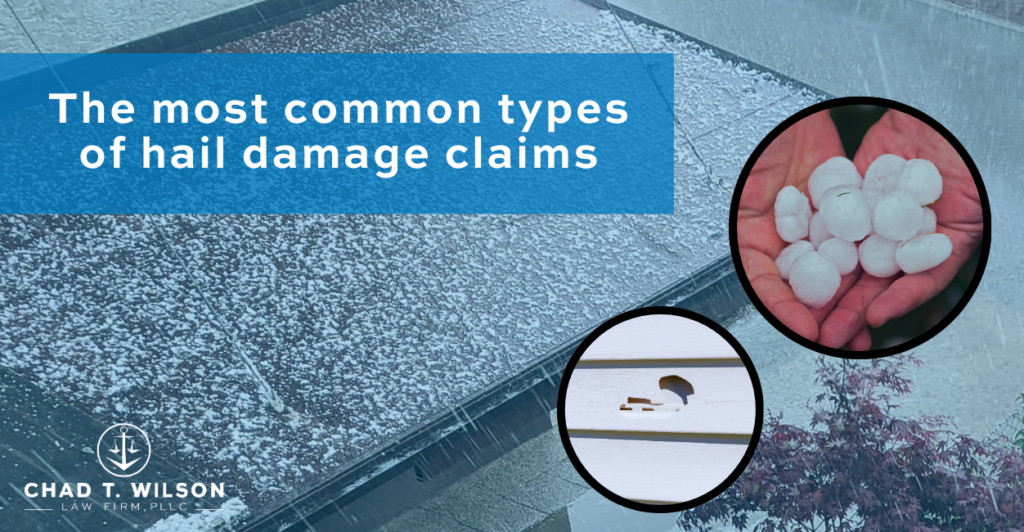
What are the most common types of hail damage claims?

Hailstorms can cause various types of property damage, leading to property insurance claims. The most common types of hail damage claims include:

It’s crucial to file a property hail insurance claim for a number of reasons:

  • Financial Protection: Your property, including cars, windows, siding, and roofs, may sustain major damage from hailstorms. You can pursue financial reimbursement for the repair or replacement of the damaged items by submitting an insurance claim. If you didn’t have insurance, you would have to pay for these things yourself.
  • Risk Mitigation: Insurance is a tool for risk transfer, or risk mitigation. You shift the financial risk of hail damage to the insurance provider by purchasing hail insurance. This guarantees that you may recover from the losses brought on by the hailstorm and helps safeguard your financial stability.
  • Policyholder’s Rights: If hail damage is covered by a current insurance policy, you are entitled to make a claim and be compensated in accordance with the terms of your policy. Making a claim is a requirement of the contract between you and the insurance company, and insurance companies are required to honor legitimate claims.
  • Preserving the Value of the Property: After a hailstorm, prompt repairs can help preserve the value of your property and stop additional damage. Ignoring hail damage and waiting to fix it could eventually result in more complex and expensive repairs.
  • Legal and commercial obligations: Should you own a mortgage on your home, the lender may demand that you keep up your insurance. In case you neglect to report hail damage and take appropriate action, you can be in breach of your mortgage contract.
  • Community Safety: If a hailstorm damages a community as a whole, submitting insurance claims jointly can help with the process of recovery and reconstruction. It facilitates the more efficient recovery of communities following natural disasters.

To guarantee a seamless and effective claims procedure, it’s critical to fully record the damage, give your insurance company precise information, and submit the claim as soon as possible. See your Property Insurance Attorney for advice if you have any questions concerning the coverage or the claims procedure.

Is your claim being denied or underpaid? Call Chad T. Wilson Law Firm, PLLC.

Speak with one of our attorney if you’re having trouble getting your claim processed or if the insurance company is attempting to pay less for the claim than is reasonable.

Contact us: https://cwilsonlaw.com/contact-us/ 

Learn more about our attorneys:
https://cwilsonlaw.com/meet-the-team-chad-t-wilson-law-firm-pllc-insurance-attorney/

Follow us on Social media:
https://beacons.ai/chadtwilsonlaw
Contact our Chad T. Wilson Law Firm Office Locations to Schedule a free Consultation.


Chad T. Wilson is an attorney whose firm specializes in property insurance disputes.

Written By:
Alejandro Caro

Schedule a free Consultation

Chad T. Wilson – Blogs and Resources
February, 5th 2024
Updated: February, 13th 2024 11:22 a.m.
Source: https://cwilsonlaw.com/

types of water Damage Insurance Claims

Water damage claims can arise from various sources, and the types of water damage can be categorized based on the cause and the affected property. The most common types of water damage insurance claims often result from common household issues, accidents, or environmental factors.

Here are some of the most prevalent types:

Insurance Coverage

Different types of water damage may be covered or excluded under your insurance policy. Insurance policies often have specific provisions for certain types of water damage, such as sudden and accidental leaks versus gradual or long-term damage. Understanding the nature of the damage will help you determine whether it falls within the scope of your coverage.

Claim Approval 

Knowing the specific cause and type of water damage enables you to provide accurate and detailed information when filing a claim. Insurance companies require thorough documentation, and providing precise details helps in the approval process. Misidentifying the cause may lead to claim denial or delays.

Cost Estimation 

The cost of repairs can vary depending on the type of water damage. Identifying the source and extent of the damage allows you to obtain accurate estimates for repairs. This information is crucial for both you and the insurance company to assess the financial impact of the claim.

Preventing Further Damage 

Different types of water damage may require different mitigation strategies. Knowing the cause allows you to take immediate steps to prevent further damage and minimize the impact on your property. Prompt action can also demonstrate to the insurance company that you are taking responsible measures to mitigate the loss.

Professional Assistance

Identifying the type of water damage often requires the expertise of professionals, such as water damage restoration specialists or plumbers. Their assessment can provide valuable documentation for your insurance claim and help ensure that all relevant information is considered.

Understanding the type of water damage in your home is crucial for a smooth and successful insurance claims process. It helps you navigate your policy coverage, provides accurate information for the claim, ensures appropriate actions are taken to prevent further damage, and allows for accurate cost estimation for repairs.

Is your claim being denied or underpaid? Call Chad T. Wilson Law Firm, PLLC.

Speak with one of our attorney if you’re having trouble getting your claim processed or if the insurance company is attempting to pay less for the claim than is reasonable.

Contact us: https://cwilsonlaw.com/contact-us/ 

Learn more about our attorneys:
https://cwilsonlaw.com/meet-the-team-chad-t-wilson-law-firm-pllc-insurance-attorney/

Follow us on Social media:
https://beacons.ai/chadtwilsonlaw
Chad T. Wilson – Blogs and Resources
February, 5th 2024
Updated: February, 5th 2024 01:55 p.m.
Source: https://cwilsonlaw.com/

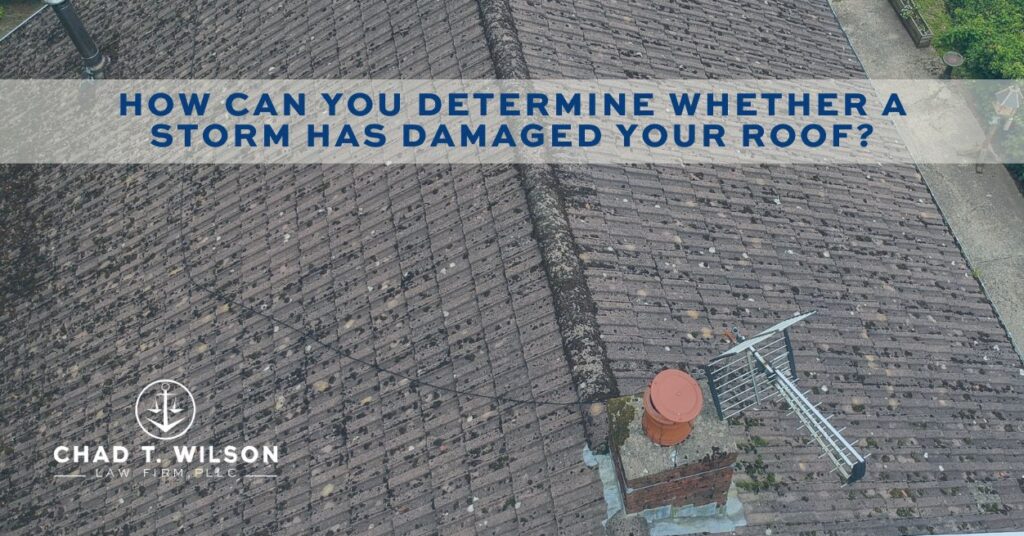
How can you determine whether a storm has damaged your roof?

Detecting damage on your roof is essential for timely repairs and insurance claims after any storm. If your home was hit by a hailstorm, windstorm, hurricane, tornado, fire, or other natural disaster, you should follow the following inspection steps.

Note: Before inspecting your roof, ensure your safety. Use a sturdy ladder and take necessary precautions to prevent accidents.

How can you determine whether a storm has damaged your roof?

What should you examine on your roof after a storm?

  • Check gutters, downspouts, and vents:
    Examine your gutters, downspouts, and roof vents for signs of damage. Look for dents, dings, or pockmarks on the metal surfaces.
  • Inspect the roof visually:
    Look for visible signs of damage from the ground. Binoculars may help you get a closer look. Pay attention to any dislodged or missing shingles.
  • Examine shingles:
    Go up on the roof to inspect the shingles more closely. Look for circular or semi-circular dents, cracks, or splits in the shingles. Hail damage may also cause granule loss, exposing the underlying asphalt.
  • Check for bruising:
    Press on the shingles gently to check for bruising. Hail damage can sometimes cause soft spots or depressions in the shingles.
  • Inspect metal components:
    Examine metal components such as flashing, vents, and chimney caps for dents or damage.
  • Look for signs of leaks:
    Check your attic for any signs of water leaks. Water stains, dampness, or mold growth are indicators that your roof may be compromised.
  • Document the damage:
    Take clear photographs of any hail damage you find. This documentation can be crucial when filing an insurance claim.
  • Professional inspection:
    If you’re unsure or if the damage seems extensive, consider hiring a professional roofing inspector. They have the expertise to assess the full extent of the damage.
  • Contact your insurance company:
    If you find roof damage, contact your insurance company as soon as possible. Provide them with the documentation and photographs you’ve taken. Follow their instructions for filing a claim.

Remember that roof damage may not always be immediately apparent. It’s advisable to inspect your roof after a severe weather event, especially if there has been hail. Early detection and prompt repairs can prevent further damage and ensure the longevity of your roof.

Is your claim being denied or underpaid? Call Chad T. Wilson Law Firm, PLLC.

Speak with one of our attorney if you’re having trouble getting your claim processed or if the insurance company is attempting to pay less for the claim than is reasonable.

Contact us: https://cwilsonlaw.com/contact-us/ 

Learn more about our attorneys:
https://cwilsonlaw.com/meet-the-team-chad-t-wilson-law-firm-pllc-insurance-attorney/

Follow us on Social media:
https://beacons.ai/chadtwilsonlaw
Chad T. Wilson – Blogs and Resources
February, 5th 2024
Updated: February, 5th 2024 01:55 p.m.
Source: https://cwilsonlaw.com/

How can you determine whether a storm has damaged your roof?

Detecting damage on your roof is essential for timely repairs and insurance claims after any storm. If your home was hit by a hailstorm, windstorm, hurricane, tornado, fire, or other natural disaster, you should follow the following inspection steps.

Note: Before inspecting your roof, ensure your safety. Use a sturdy ladder and take necessary precautions to prevent accidents.

How can you determine whether a storm has damaged your roof?

What should you examine on your roof after a storm?

  • Check gutters, downspouts, and vents:
    Examine your gutters, downspouts, and roof vents for signs of damage. Look for dents, dings, or pockmarks on the metal surfaces.
  • Inspect the roof visually:
    Look for visible signs of damage from the ground. Binoculars may help you get a closer look. Pay attention to any dislodged or missing shingles.
  • Examine shingles:
    Go up on the roof to inspect the shingles more closely. Look for circular or semi-circular dents, cracks, or splits in the shingles. Hail damage may also cause granule loss, exposing the underlying asphalt.
  • Check for bruising:
    Press on the shingles gently to check for bruising. Hail damage can sometimes cause soft spots or depressions in the shingles.
  • Inspect metal components:
    Examine metal components such as flashing, vents, and chimney caps for dents or damage.
  • Look for signs of leaks:
    Check your attic for any signs of water leaks. Water stains, dampness, or mold growth are indicators that your roof may be compromised.
  • Document the damage:
    Take clear photographs of any hail damage you find. This documentation can be crucial when filing an insurance claim.
  • Professional inspection:
    If you’re unsure or if the damage seems extensive, consider hiring a professional roofing inspector. They have the expertise to assess the full extent of the damage.
  • Contact your insurance company:
    If you find roof damage, contact your insurance company as soon as possible. Provide them with the documentation and photographs you’ve taken. Follow their instructions for filing a claim.

Remember that roof damage may not always be immediately apparent. It’s advisable to inspect your roof after a severe weather event, especially if there has been hail. Early detection and prompt repairs can prevent further damage and ensure the longevity of your roof.

Is your claim being denied or underpaid? Call Chad T. Wilson Law Firm, PLLC.

Speak with one of our attorney if you’re having trouble getting your claim processed or if the insurance company is attempting to pay less for the claim than is reasonable.

Contact us: https://cwilsonlaw.com/contact-us/ 

Learn more about our attorneys:
https://cwilsonlaw.com/meet-the-team-chad-t-wilson-law-firm-pllc-insurance-attorney/

Follow us on Social media:
https://beacons.ai/chadtwilsonlaw

Chad T. Wilson – Resources
January 15, 2024
Updated: January 15, 2024 09:20 a.m.
Source: https://cwilsonlaw.com

What to do if your pipes freeze during a winter storm 2024 Update

  • In frigid weather, set your home’s thermostat above 55 degrees.
  • Pour cold water into the faucet that is furthest away from your main valve. Water in motion prevents pipes from freezing.
  • Find emergency shut-off valves.
  • In locations without heat, insulate pipes.
  • To warm the pipes, open the cabinets and vanities.
  • Shut off the internal water supply valves.
  • Open the outside spigots to allow to drain water out.
  • Keep the outside valve open to allow any leftover water in the pipe to expand without rupturing.
  • Turn off the water at outside spigots and remove all water from the line when freezing weather is predicted.

Water utilities are responsible for water mains and pipe lines that connect to your home, but not pipes located on your property. If a pipe bursts on your property, call a plumber immediately for repairs. Help protect your pipes from potential damage and avoid costly repairs by following these steps.

Here are some tips to help avoid frozen pipelines in the future:

  • In frigid weather, set your home’s thermostat above 55 degrees.
  • Pour cold water into the faucet that is furthest away from your main valve. Water in motion prevents pipes from freezing.
  • Find emergency shut-off valves.
  • In locations without heat, insulate pipes.
  • To warm the pipes, open the cabinets and vanities.
  • Shut off the internal water supply valves.
  • Open the outside spigots to allow to drain water out.
  • Keep the outside valve open to allow any leftover water in the pipe to expand without rupturing.
  • Turn off the water at outside spigots and remove all water from the line when freezing weather is predicted.

Water utilities are responsible for water mains and pipe lines that connect to your home, but not pipes located on your property. If a pipe bursts on your property, call a plumber immediately for repairs. Help protect your pipes from potential damage and avoid costly repairs by following these steps.

How can you Prevent Your Pipes From Freezing During a Winter Storm in the future?

The pipes in unheated interior spaces, such as garages, attics, and basements, are the most vulnerable. However, pipes that pass through external walls or cupboards may also freeze. The good news is that you can maintain dry conditions in your home and running water by taking a few easy steps.

The American Red Cross, which deals with emergency preparedness, and the IBHS both offer helpful tips on how to keep your pipes from freezing and how to thaw them if they do.

Why Pipe Freezing is Such a Serious Problem:

One peculiar characteristic of water is that it expands when it freezes. Anything holding it in place, such as metal or plastic pipes, is under extreme pressure from this expansion. Expanding water has the potential to shatter pipes, regardless of how sturdy the container is.

The most commonly freezing pipes are:

  • Pipes that are subjected to extreme cold, such as sprinkler lines, swimming pool supply lines, and outdoor hose bibs.
  • Water supply pipes in unheated interior places such basements and crawl spaces, attics, garages, or kitchen cabinets.
  • Pipes that run against exterior walls that have minimal or no insulation.

Here are some tips to help avoid frozen pipelines in the future:

  • In frigid weather, set your home’s thermostat above 55 degrees.
  • Pour cold water into the faucet that is furthest away from your main valve. Water in motion prevents pipes from freezing.
  • Find emergency shut-off valves.
  • In locations without heat, insulate pipes.
  • To warm the pipes, open the cabinets and vanities.
  • Shut off the internal water supply valves.
  • Open the outside spigots to allow to drain water out.
  • Keep the outside valve open to allow any leftover water in the pipe to expand without rupturing.
  • Turn off the water at outside spigots and remove all water from the line when freezing weather is predicted.

Water utilities are responsible for water mains and pipe lines that connect to your home, but not pipes located on your property. If a pipe bursts on your property, call a plumber immediately for repairs. Help protect your pipes from potential damage and avoid costly repairs by following these steps.

What to do if your pipes freeze during a winter storm: 2024 Update

Even interior pipes can freeze in subzero conditions.

The likelihood of your pipes freezing and rupturing increases dramatically when the weather drops. According to the Insurance Institute for Business and Home Safety, burst pipes are one of the most frequent reasons for property loss during extremely cold weather. They can quickly result in thousands of dollars worth of water damage, or even more. If you experience frozen pipes at your home or business after a winter storm, continue reading this article.

Here are several steps you can take if your pipes freeze during a winter storm this 2024:

  • Activate the faucet and leave it running. In the future, a burst pipe can be avoided by letting the faucet drip, even a little bit.
  • Use a hair dryer to gently apply heat to the frozen spot. Air should be directed toward the faucet end of the pipe and progressively moved toward the coldest part. Take caution not to blow a fuse or overheat the hair dryer. Avoid using a propane torch since it might cause damage to the pipe and increase the risk of a fire.
  • Don’t stop heating until the water pressure is fully restored. Keep applying heat. Even so, after the pipe has thawed, it’s a good idea to leave the faucet open for a few minutes. This will allow the ice to get far enough away from the line.
  • Examine every faucet in your house to look for any further frozen pipes and prevent pipes from freezing in the future. It’s possible that other pipes have been impacted by one frozen pipe.

The pipes will probably take half an hour to thaw. This might change, though, based on the temperature, the length of time the pipe has been frozen, and its location. If none of the aforementioned actions work for you, you should contact a plumber for help.

How urgent is a burst pipe?

Put an end to the leaky pipes as soon as possible!

Even over brief periods of time, undetected burst pipes can result in significant property damage and higher water costs. Known as “water damage,” this problem can lead to flooding, damage walls and furniture, and ruin existing flooring.

Will homeowner insurance cover damage from frozen pipes?

Most homeowner and commercial property insurance policies, in general, will cover damage from a frozen pipe that bursts.

What to do if your insurance claim is denied or underpaid after a pipe burst causes water damage?

You might be able to file a lawsuit against your insurance provider if a burst pipe caused damage to your property and they either rejected your claim or paid you significantly less than the true cost of the damage. A pipe damage attorney can assist you in determining what to do next. Allow The Chad T. Wilson Law Firm insurance lawyers in Houston to defend your rights to justice and recompense. For a free consultation, reach out to us today. If your lawsuit is unsuccessful, there will be no payment due.

How can you Prevent Your Pipes From Freezing During a Winter Storm in the future?

The pipes in unheated interior spaces, such as garages, attics, and basements, are the most vulnerable. However, pipes that pass through external walls or cupboards may also freeze. The good news is that you can maintain dry conditions in your home and running water by taking a few easy steps.

The American Red Cross, which deals with emergency preparedness, and the IBHS both offer helpful tips on how to keep your pipes from freezing and how to thaw them if they do.

Why Pipe Freezing is Such a Serious Problem:

One peculiar characteristic of water is that it expands when it freezes. Anything holding it in place, such as metal or plastic pipes, is under extreme pressure from this expansion. Expanding water has the potential to shatter pipes, regardless of how sturdy the container is.

The most commonly freezing pipes are:

  • Pipes that are subjected to extreme cold, such as sprinkler lines, swimming pool supply lines, and outdoor hose bibs.
  • Water supply pipes in unheated interior places such basements and crawl spaces, attics, garages, or kitchen cabinets.
  • Pipes that run against exterior walls that have minimal or no insulation.

Here are some tips to help avoid frozen pipelines in the future:

  • In frigid weather, set your home’s thermostat above 55 degrees.
  • Pour cold water into the faucet that is furthest away from your main valve. Water in motion prevents pipes from freezing.
  • Find emergency shut-off valves.
  • In locations without heat, insulate pipes.
  • To warm the pipes, open the cabinets and vanities.
  • Shut off the internal water supply valves.
  • Open the outside spigots to allow to drain water out.
  • Keep the outside valve open to allow any leftover water in the pipe to expand without rupturing.
  • Turn off the water at outside spigots and remove all water from the line when freezing weather is predicted.

Water utilities are responsible for water mains and pipe lines that connect to your home, but not pipes located on your property. If a pipe bursts on your property, call a plumber immediately for repairs. Help protect your pipes from potential damage and avoid costly repairs by following these steps.

Chad T. Wilson – Resources
January 10, 2024
Updated: January 10, 2024 11:50 a.m.
Source: https://cwilsonlaw.com

Contact our Chad T. Wilson Law Firm Office Locations to Schedule a free Consultation.


Chad T. Wilson is an attorney whose firm specializes in property insurance disputes.

Written By:
Alejandro Caro

In addition, our team of experts will continue to be available and provide personalized advice and support. We are committed to providing the general public with the highest quality legal service, and we strive to ensure that everyone gets the best possible outcome. We understand the complexities of the law and are here to help you navigate the legal system.

Let’s start this year strong!

Is your claim being denied? Call The Chad T. Wilson Law Firm, PLLC.

Speak with one of our attorney if you’re having trouble getting your claim processed or if the insurance company is attempting to pay less for the claim than is reasonable.

Contact us: https://cwilsonlaw.com/contact-us/ 

Learn more about our attorneys:
https://cwilsonlaw.com/meet-the-team-chad-t-wilson-law-firm-pllc-insurance-attorney/

Follow us on Social media:
https://beacons.ai/chadtwilsonlaw

Contact our Chad T. Wilson Law Firm Office Locations to Schedule a free Consultation.


Chad T. Wilson is an attorney whose firm specializes in property insurance disputes.

Written By:
Alejandro Caro

Since we naturally collaborate closely with public adjusters and pay close attention to our clients, at The Chad T. Wilson Law Firm, we place a high value on giving our clients the knowledge they need to perform their duties as effectively as possible when we are ready to fight their insurance company.

We understand that facing loss of property due to natural disasters or day-to-day incidents, then having an insurance claim denied, can be an incredibly distressing and frustrating experience. Like every year, we are here to defend our clients and their families, and we will ensure that their hard work is not unnoticed.

In 2024, we will continue to expand our knowledge and strong understanding of property insurance law and how it affects a policyholder’s case. We strive to provide you with the latest legal updates, resources, and tools to help you navigate the complexities of property insurance law this year. We are here to help you succeed and provide the best possible service to our clients, and we are committed to providing everyone with the tools they need to be successful.

This year, we have big plans to expand and offer a comprehensive library of legal resources online, including educational social media posts, weekly blogs, an online glossary of terms, future educational programs, and educational podcasts to help everyone stay informed about the latest developments in property insurance law.

In addition, our team of experts will continue to be available and provide personalized advice and support. We are committed to providing the general public with the highest quality legal service, and we strive to ensure that everyone gets the best possible outcome. We understand the complexities of the law and are here to help you navigate the legal system.

Let’s start this year strong!

Is your claim being denied? Call The Chad T. Wilson Law Firm, PLLC.

Speak with one of our attorney if you’re having trouble getting your claim processed or if the insurance company is attempting to pay less for the claim than is reasonable.

Contact us: https://cwilsonlaw.com/contact-us/ 

Learn more about our attorneys:
https://cwilsonlaw.com/meet-the-team-chad-t-wilson-law-firm-pllc-insurance-attorney/

Follow us on Social media:
https://beacons.ai/chadtwilsonlaw
Contact our Chad T. Wilson Law Firm Office Locations to Schedule a free Consultation.


Chad T. Wilson is an attorney whose firm specializes in property insurance disputes.

Written By:
Alejandro Caro

The Chad T. Wilson Law Firm, PLLC PREVIEW – 2024 News, Updates, NEW PODCAST and 2023 Recap.

This past year, in the complicated and specialized professional area of property insurance law, The Chad T. Wilson Law Firm defended policyholders against claims rejected, postponed, or underpaid throughout the nation. There were several notable cases where policyholders sued insurance companies for failing to adequately cover damages after natural disasters such as storms, fires, floods, and more. Courts have ruled in favor of policyholders thanks to the help of The Chad T. Wilson Law Firm, emphasizing the obligation of insurance companies to act in good faith and fairly compensate their customers.

Chad T. Wilson 2024 News, Updates and Recap

Since we naturally collaborate closely with public adjusters and pay close attention to our clients, at The Chad T. Wilson Law Firm, we place a high value on giving our clients the knowledge they need to perform their duties as effectively as possible when we are ready to fight their insurance company.

We understand that facing loss of property due to natural disasters or day-to-day incidents, then having an insurance claim denied, can be an incredibly distressing and frustrating experience. Like every year, we are here to defend our clients and their families, and we will ensure that their hard work is not unnoticed.

In 2024, we will continue to expand our knowledge and strong understanding of property insurance law and how it affects a policyholder’s case. We strive to provide you with the latest legal updates, resources, and tools to help you navigate the complexities of property insurance law this year. We are here to help you succeed and provide the best possible service to our clients, and we are committed to providing everyone with the tools they need to be successful.

This year, we have big plans to expand and offer a comprehensive library of legal resources online, including educational social media posts, weekly blogs, an online glossary of terms, future educational programs, and educational podcasts to help everyone stay informed about the latest developments in property insurance law.

In addition, our team of experts will continue to be available and provide personalized advice and support. We are committed to providing the general public with the highest quality legal service, and we strive to ensure that everyone gets the best possible outcome. We understand the complexities of the law and are here to help you navigate the legal system.

Let’s start this year strong!

Is your claim being denied? Call The Chad T. Wilson Law Firm, PLLC.

Speak with one of our attorney if you’re having trouble getting your claim processed or if the insurance company is attempting to pay less for the claim than is reasonable.

Contact us: https://cwilsonlaw.com/contact-us/ 

Learn more about our attorneys:
https://cwilsonlaw.com/meet-the-team-chad-t-wilson-law-firm-pllc-insurance-attorney/

Follow us on Social media:
https://beacons.ai/chadtwilsonlaw
Contact our Chad T. Wilson Law Firm Office Locations to Schedule a free Consultation.


Chad T. Wilson is an attorney whose firm specializes in property insurance disputes.

Written By:
Alejandro Caro

Chad T. Wilson – Resources
December 8, 2023
Updated: December 8, 2023 09:30 a.m.
Source: https://cwilsonlaw.com

In most states, insurance claims can be delayed for various reasons, and whether you can take legal action depends on the circumstances and laws in your area. Insurance companies are bound to regulations regarding the claim process, and unreasonable delays could be grounds for legal action.

Legal action against your insurance company can be a good resort when your claim is delayed or wrongfully denied. There are many reasons why someone would acquire legal representation.

Can I Take Legal Action if my Insurance Claim is Unreasonably Delayed?

  • First, view the breach of contract. The corporation may violate your contract if your insurance policy expressly covers your claim and it is being unreasonably delayed or denied.
  • Second, examine your protection of rights. As an insured, in most states, you have the right to take legal action to defend your rights. Insurance providers are required to respond to claims in a timely and equitable manner.
  • Third, review your recompense and settlement. You may need to take legal action to get the recompense you are due. A resolution may be reached through the judicial system if negotiations and other attempts at mediation have failed.
  • Fourth, review Your Policy. Take a close look at the terms, conditions, and clauses related to claim processing, delays, and any provisions regarding legal action. Note any language specifying the insurer’s responsibilities, timelines, and your rights as a policyholder.
    Finally, when you have followed the steps above, start thinking of transmitting a message.

Bringing legal action may, at times, compel the insurance provider to give your claim more consideration. It can occasionally speed up the procedure and demonstrate your willingness to stand up for your rights.

In conclusion, gaining clarity on your rights and options can be achieved by speaking with an attorney. They can evaluate your circumstances, help you through the procedure, and, if needed, act as your representative.

Is your claim being denied? Call The Chad T. Wilson Law Firm, PLLC.

Speak with one of our attorney if you’re having trouble getting your claim processed or if the insurance company is attempting to pay less for the claim than is reasonable.

Contact us: https://cwilsonlaw.com/contact-us/ 

Learn more about our attorneys:
https://cwilsonlaw.com/meet-the-team-chad-t-wilson-law-firm-pllc-insurance-attorney/

Follow us on Social media:
https://beacons.ai/chadtwilsonlaw

Contact our Chad T. Wilson Law Firm Office Locations to Schedule a free Consultation.


Chad T. Wilson is an attorney whose firm specializes in property insurance disputes.

Written By:
Alejandro Caro

Chad T. Wilson – Resources
December 13, 2023
Updated: December 13, 2023 10:20 a.m.
Source: https://cwilsonlaw.com

What does your property insurance cover in the winter?

What does your property insurance cover in the winter?

Now that winter is here, many homeowners and business owners are preparing for the damage that severe storms and low temperatures will do to their properties. According to Aon, insured losses from winter storms were around $6 billion in 2022, making it the second-highest year ever for such losses in the previous ten years. December 2022 saw the third most expensive winter storm since 1950, with $3.5 billion in insured losses. Flooding, ice, snow, and freezing are all parts of winter storms.

Expensive damage from snow, wind, ice, or water can result in expensive home insurance claims that raise your overall premium.

Most common home insurance claims in the winter:

Home insurance typically covers various risks associated with winter. Here are some common coverages:

Frozen Pipes 

Coverage for damage caused by frozen pipes, including the cost of repairing the pipes and any resulting water damage.

Ice Dams

Coverage for damage resulting from ice dams on the roof, such as water leaks into the home.

Snow-Related Roof Collapses

Heavy snow accumulation can sometimes lead to the collapse of roofs, particularly in older or weaker structures.

Fire Damage

Coverage for fire incidents, which may be more common during the winter due to increased use of heating systems and fireplaces.

Damage from Fallen Trees or Limbs

Snow, ice, or strong winds can cause trees or branches to fall and damage homes or property.

Liability Coverage

 Protection in case someone gets injured on your property due to winter-related conditions, such as slipping on ice.

Additional Living Expenses

 Reimbursement for additional costs if you need to temporarily live elsewhere due to damage caused by a covered peril.

It’s critical to evaluate your specific policy and comprehend the scope of coverage it offers throughout the winter. Certain winter-related damages may be subject to exclusions or limitations under some policies.

Winter Damage Prevention Checklist:

Ascertain the insulation of your pipes

Before the temps drop below freezing, have a plumber do a precautionary check for you.

Examine the pipes in your crawl area, basement, and attic

These parts of the house usually have less insulation than other parts, making them more likely to freeze.

Adjust the thermostat to a minimum of 55 degrees

This precaution is especially crucial if you must leave your property unoccupied for an extended period of time.

Make your house weatherproof

Make that all of the holes in your building envelope, including windows, doors, and vents, are weathertight.

Set up alarms for low temperatures

Installing these in isolated, exposed, or susceptible locations with plumbing will maximize their usefulness.

Discharge the sprinkler and ground plumbing

This is very important to do before it gets cold outside.

Take a stroll around your home and check for exterior wall cracks

Your pipes may freeze and burst as a result of cold air seeping through these gaps. If there are any cracks, seal them with caulk or spray foam sealer, or have a reliable contractor fix them for you.

Invest in water flow monitoring and leak detection equipment

Basic leak sensors cost approximately $50. If these detect a leak, they will notify your computer or phone so you can take quick action to stop additional damage. Some more expensive systems will immediately turn off your water when they find a leak.

Cabinet doors should be open

When heating your home in the winter, keep the cabinet doors to the kitchen and bathroom open.

Turn on the water

Maintain a small amount of water circulating through your hot and cold water pipes in the event of extreme cold.

Every year, check the heating appliances

Get water heaters, furnaces, and boilers examined at least once a year, ideally in the fall.

Any nearby trees should be trimmed

It is vital to take this precaution before snow and ice weigh down branches and cause them to break.

Keep outside walkways and sidewalks clean

Remove snow and ice from stairwells, sidewalks, and pathways to lower the possibility of accidents and legal responsibility.

Is your claim being denied? Call The Chad T. Wilson Law Firm, PLLC.

Speak with one of our attorney if you’re having trouble getting your claim processed or if the insurance company is attempting to pay less for the claim than is reasonable.

Contact us: https://cwilsonlaw.com/contact-us/ 

Learn more about our attorneys:
https://cwilsonlaw.com/meet-the-team-chad-t-wilson-law-firm-pllc-insurance-attorney/

Follow us on Social media:
https://beacons.ai/chadtwilsonlaw
Is the entire cost of rebuilding your property covered by your insurance?

Does your insurance fully cover the total expense of rebuilding your property?

The exact terms and coverage limitations of your policy will determine whether or not your home insurance pays for the entire cost of rebuilding your property. In the event of covered risks, such as fire, storms, or other disasters, home insurance usually covers the replacement or repair of your home’s structure. But it’s crucial to take into account the following factors:

Coverage Limits

Home insurance policies have coverage limits, which represent the maximum amount the insurance company will pay for covered damages. It’s crucial to review your policy to understand these limits.
Deductible: You will likely have a deductible, which is the amount you must pay out of pocket before your insurance coverage kicks in. Ensure you are aware of your deductible amount.

Policy Type

Different types of home insurance policies offer varying levels of coverage. A replacement cost policy generally covers the full cost of rebuilding your home, while an actual cash value policy may factor in depreciation, resulting in a lower payout.

Additional Coverages

Some policies offer additional coverages or endorsements that can enhance the protection of your home. For example, an extended replacement cost endorsement may provide coverage beyond the standard limits.

Inflation Protection

Some policies include inflation protection, which adjusts your coverage limits over time to account for increases in construction costs.

It’s important to regularly review and update your home insurance policy to ensure that your cover age adequately reflects the current value of your home and its contents. If you make significant improvements or additions to your home, notify your insurance company to adjust your coverage accordingly.

Even though home insurance is intended to assist with reconstructing your house following a covered loss, the scope of coverage varies depending on the particular terms, restrictions, and any extra endorsements you may have on your policy. With your insurance provider, go over your policy to make sure you have the right kind of coverage for your needs.

Is your claim being denied or Call Chad T. Wilson Law Firm, PLLC.

Speak with one of our attorneys if you’re having trouble getting your claim processed or if the insurance company is attempting to pay less for the claim than is reasonable.

Contact us: https://cwilsonlaw.com/contact-us/ 

Learn more about our attorneys:
https://cwilsonlaw.com/meet-the-team-chad-t-wilson-law-firm-pllc-insurance-attorney/

Follow us on Social media:
https://beacons.ai/chadtwilsonlaw

Why Is State Farm Denying Property Damage Claims?

Why is STATE FARM Denying Property Damage Claims?

Understanding State Farm Property Damage Denials

Many homeowners are surprised when State Farm denies property damage claims. In 2025, this trend is not just a coincidence. Homeowners nationwide, particularly in Oklahoma, Texas, and Colorado, are sharing similar stories after experiencing storms, wildfires, and other damaging events. Knowing the most common reasons can help you avoid claim rejection and ensure you receive fair coverage for your property damage claim.

Recent State Farm Concerns and Legal Issues

State Farm has faced numerous concerns regarding its handling of insurance claims over the years. For example:

Common Reasons State Farm Denies Claims

1. Cosmetic Damage or Preexisting Issues

State Farm often labels certain damage as “cosmetic” or preexisting, meaning they claim it existed before your policy coverage started.

  • Dents, scratches, or minor wear are frequently categorized this way.

  • To avoid disputes, document your property condition before and after storms.

2. Inaccurate or Low Damage Assessment

Adjusters may report less damage than contractors or underestimate repair costs.

  • This can result in partial payouts or outright claim denial.

  • Independent inspections can provide evidence to support your full claim.

3. Policy Exclusions 

Every homeowner’s insurance policy has specific exclusions. Common examples:

  • Certain roof materials not covered

  • Water damage due to maintenance issues

  • Damage from wear and tear

Understanding your policy can prevent unexpected denials.

4. Filing or Documentation Errors

Claims can be denied if forms are incomplete or deadlines are missed.

  • Always keep photos, repair estimates, and receipts ready

  • Ensure all required documents are submitted in a timely manner

If your claim is turned down, you have the following options:

Obtain the Denial Letter, then carefully read it.

The denial letter should include the insurance company’s perspective on the matter and a detailed explanation of the reasons your claim was rejected. You should carefully read and consider this letter in order to comprehend the reasons for the denial of your claim, as well as your future course of action.

Assemble evidence:

Before taking any further action, find out why the claim was denied and collect any more supporting documentation. This may consist of videos, pictures, witnesses, and more. 

Appeal the final decision:

Make sure you adhere to State Farm’s prescribed processes if you choose to contest the denial. Any errors could end up costing you more time and effort and increasing the risk associated with your claim. To assist you with the procedure, you might also want to think about working with a property damage lawyer.

Don’t give up hope just yet if State Farm rejected your claim! 

There might still be options to pursue in order to recover damages related to the occurrence, depending on the insurer’s justifications for rejecting your claim and your specific situation.

If you believe your claim has been rejected without cause or that your adjuster did not sufficiently examine the claim, you may consider calling The Chad T. Wilson Law Firm for help with your insurance claim.

Frequently Asked Questions:

Can State Farm deny my claim for cosmetic damage?

Yes, if the damage existed before your policy or is considered minor.

Deadlines vary by state and policy. Contact a property damage lawyer immediately to protect your rights.

If the claim is significant or State Farm disputes your evidence, a property damage lawyer can help you get the settlement you deserve.

1 3 4 5 6 7 8