What Hurricane Isaias Additional Living Expenses Actually Cover
By Chad T. Wilson Law Firm Staff, based on reporting by the Florida Division of Emergency Management, October 19, 2026. Read the original announcement here.
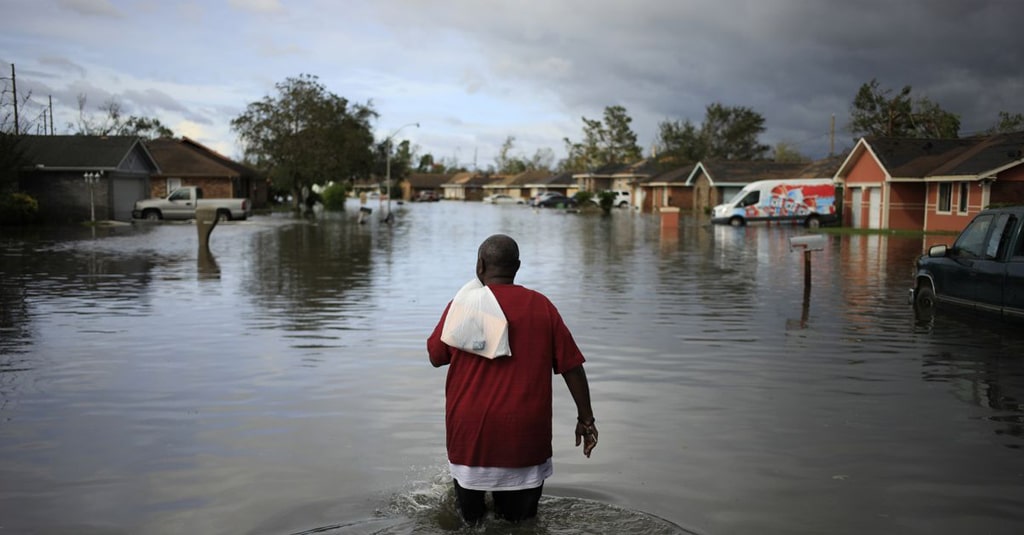
If you were pushed out of your home by the storm, help with a place to stay is welcome news. On October 19, 2026, Florida began placing the first temporary shelter trailers with families displaced by Hurricane Isaias. That help is real, and it matters. It is also a different thing from the Hurricane Isaias additional living expenses coverage built into most homeowners policies. Knowing the difference now can keep you from leaving money on the table later.
Key Takeaways
- Florida awarded the first two temporary shelter trailers to displaced Hurricane Isaias families on October 19, 2026, through a program run with the nonprofit Emergency RV and the state emergency division.
- Temporary shelter assistance is separate from the additional living expenses coverage in your homeowners policy. One does not cancel out the other.
- Additional living expenses, often called ALE or loss of use, can reimburse the extra costs of living elsewhere when your home is not safe to occupy.
- FEMA Individual Assistance is not open. It would become available only if the federal government approves Florida’s disaster declaration request.
- Keep every receipt, application, eligibility notice, and insurer message, and write down the date your home became unlivable.
What did Florida announce?
Speaking in Pensacola, Governor DeSantis said the state awarded its first two temporary shelter trailers to families hit hard by Hurricane Isaias. The program is a partnership between Emergency RV, a nonprofit, and the Florida Division of Emergency Management, and it has already received nearly 300 applications. The state also announced one-time $5,000 grants for eight first responders in Escambia and Santa Rosa Counties who kept working while dealing with their own storm damage. The first trailers going out more than a week after landfall tell you something plain: a lot of families still cannot go home.
What are additional living expenses?
Additional living expenses coverage, sometimes listed as loss of use or Coverage D, is the part of a homeowners policy that helps pay the extra costs of living somewhere else while your home is repaired or rebuilt. It usually applies when a covered loss makes your home unsafe or impossible to live in. Covered costs can include a hotel or rental, meals above what you normally spend, pet boarding, storage, and extra mileage. Every policy sets its own limits and time frames, so the details depend on your paperwork.
Is disaster help the same as my coverage?
No, and this is the part worth slowing down for. Hurricane Isaias additional living expenses come from your insurance policy, which you paid premiums for. A shelter trailer, a charitable grant, or future FEMA aid comes from a different source with its own rules. Accepting shelter help does not waive your right to claim ALE, and filing an ALE claim does not disqualify you from disaster programs. What you do need to track is where each dollar came from, because insurers may ask about other assistance when they calculate what they owe. Keep the lanes separate in your records so no one can blur them later.
Where things stand with FEMA
Florida has requested a Major Disaster Declaration that would include Public Assistance for 15 counties and Individual Assistance for eligible residents in eight counties. As of the state’s announcement, Florida is awaiting a federal decision. FEMA Individual Assistance is not open yet. It would only become available if the declaration is approved, so be careful with anyone who tells you to apply for federal individual aid today. Watch the official state and FEMA channels for the actual decision.
What displaced homeowners should do now
Whether or not you qualify for a shelter trailer, protect your insurance claim at the same time. A short checklist:
- Write down the date you could no longer live in your home, and why.
- Save every lodging, meal, storage, and travel receipt, even the small ones.
- Keep your shelter application and any eligibility or denial notices.
- Tell your insurer in writing that your home is not habitable and that you are incurring additional living expenses.
- Note which help was a grant, a charity benefit, a loan, or an insurance payment.
If your claim was denied, delayed, or underpaid
ALE claims are a common place for disputes. An insurer may call your home livable when it is not, cap your reimbursement early, or stall on paying while the receipts pile up. If that happens, do not just accept it. Ask for the decision in writing with the policy language behind it, and keep submitting your costs as you incur them. Your hurricane damage claim includes the cost of having to live elsewhere, and that coverage is yours.
How Chad T. Wilson Law Firm Can Help
After a storm, you are trying to find a bed for your family and read a policy at the same time. That is not a fair fight, and it is exactly where we come in. Our team has resolved more than 6,000 property insurance claims, and we represent policyholders across the country, never the carriers. We can read your policy, document your loss of use, and push back when a storm damage claim is paid short. We can’t stop a storm, but we can stop your insurance company from unjustly denying what you are owed. Call (833) 942-0678 for a free consultation. We work on contingency: no recovery, no fee. Denied, delayed, or underpaid? Let’s talk.
Practice Areas
- Hurricane damage claims
- Storm damage claims
- Denied insurance claims
- Delayed insurance claims
- Underpaid insurance claims
This article is for general information only and is not legal advice. Coverage depends on the terms of your individual policy, and no coverage or outcome is guaranteed. Disaster program details reflect public announcements and may change.
Sources: Florida Division of Emergency Management announcement (Oct. 19, 2026); Florida Hurricane Isaias recovery resources; Fox 13: DeSantis requests FEMA disaster declaration