
Screen-Shot-2021-12-29-at-8.38.09-AM-1200x672-min

Attorney Patrick McGinnis Talks Winning Claims On ‘The Legal Fix’ Radio Show

Chad T. Wilson Law Firm Attorney, Patrick McGinnis, was a special guest on The Legal Fix radio show last month where he talked about winning denied insurance claims. Has your insurance company unfairly denied your property damage claim? If so, contact us today for a free case review. You may be entitled to compensation.

Courtroom Victories Against State Farm

Chad T. Wilson recently sat down with Roofing Insights to discuss his firm’s recent legal victories against State Farm. Watch the full interview below. You can also read about the State Farm cases here and here.

Chad T. Wilson Courtroom Victories Against State Farm:

Victory: Texas Jury Awards Damages To State Farm Policyholder Over Unfair And Deceptive Practices

In March this year, the Texas Supreme Court published its landmark opinion on another Chad T. Wilson Law Firm case – again, a client insured by State Farm, Luis Hinijos.  This was a huge win for all policyholders in Texas because it stopped all insurance companies from utilizing a carrier-created loophole to circumvent Texas law.  Here’s the typical scenario. An insured has a covered loss and notifies their insurance company.  The company would accept the claim and pay pennies on the dollar of the damages. The insured would complain but the carrier would not budge far from its initial position. The insured would then sue and the carrier, State Farm being the worst culprit, would run up litigation expenses. Appraisal of the damages would be invoked to set the cost to repair; the carrier would send a check for the appraisal award less the depreciation less the deductible less prior payments if any. The carrier would run back to the court and ask for summary judgment claiming “no harm, no foul judge” – and they were getting away with it. This left insureds economically upside down on their cases. The Chad T. Wilson Law Firm took Mr. Hinojos’s case to the Texas Supreme Court to stop this trend in its tracks. The Court agreed stating that an insurer is not absolved of its statutory liability when it pays only part of a claim within the statutory deadline set forth in the statute. An insurer that fails to pay all amounts that “must be paid” under the applicable policy will be liable for interest and attorney’s fees. On the street, this means if an appraisal award comes back higher than the insurance company’s initial estimate of damages, they owe the difference plus interest plus attorney fees and they are still on the hook for damages for violations of the Texas Insurance Code and Texas Deceptive Trade Practices Act. 

Unanimous Jury Verdict in Tarrant County for CTWLF Client: Jury found State Farm knowingly violated the Texas Insurance Code Jury awarded Plaintiff damages equivalent to seven times his property damage 

After the trial concluded, jurors stated they were disappointed with how State Farm handled Aaron’s claim, how State Farm ‘covered up’ the first adjuster’s haphazard inspection, and were deeply troubled that it took three years and a trial for State Farm to admit they made a mistake; it obvious to the jury that State Farm’s admission was only for damage control, there was no remorse.  This jury was made up of Tarrant County citizens, a jurisdiction typically known as a tough venue for Plaintiffs.  Not only did this jury see Defendant State Farm’s actions were wrong, they returned a unanimous verdict that left no doubt how wrong State Farm was in this case.

Has your claim been denied?

The Chad T. Wilson Law Firm handles insurance property disputes and takes on tough, serious cases against some of the largest corporations in America. With a proven track record of getting things done, Chad T. Wilson is fighting for courtroom victories against State Farm and other major insurance carriers. If your homeowner’s insurance claim has been denied, delayed or, underpaid, call us. We have represented thousands of homeowners against insurance companies, big and small. As a contingency-based law firm, our expert insurance claims attorneys aggressively fight for the rights of the policyholder. Free consultation. No recovery equals no fee. Contact us today.

Chad-T.-Wilson-Law-Firm-Secures-Huge-Victory-For-Policyholders-in-Texas-Supreme-Court-min

Huge Victory For Policyholders in Texas Supreme Court!

On March 19, 2021 the Texas Supreme Court issued its opinion in Hinojos v. State Farm Lloyds (No. 19-0280), in favor of Louis Hinojos, a client of Chad T. Wilson Law Firm. This was a huge victory for Texas policyholders. The Hinojos opinion will substantially assist policyholders to win Texas Prompt Payment of Claims Act (“TPPCA”) damages including interest and attorney fees after appraisal.

Before the Texas Supreme Court decided the case of Barbara Technologies Corp. v. State Farm Lloyds, 589 S.W.3d 806 (Tex. 2019), insurance companies could avoid all damages, including TPPCA damages, by simply invoking appraisal and paying the resulting appraisal award. This situation was patently unfair to Texas policyholders because the typical fact pattern was that an insurer would make a low initial claim payment, the policyholder would file suit, and during litigation (months or years after the date of loss) the insurance company would invoke appraisal and then pay the resulting award…an award that was always substantially more than the initial claim payment. The insurance company would then file a motion for summary judgment and get the policyholder’s entire case dismissed, including 18% interest under the TPPCA and attorney fees. However, Barbara Technologies held that an insurer may not avoid TPPCA damages by simply paying an appraisal award. Not surprisingly, the insurance industry quickly tried to find ways around Barbara Technologies. Using a portion of a string cite in the 5th Circuit case of Mainali Corp. v. Covington Specialty Insurance Co. 872 F.3d 255, 259 (5th Cir. 2017), insurance companies argued that as long as the initial claim payment was “reasonable” then even if the appraisal award ended up being much higher than the initial claim payment, policyholders were still unable to pursue TPPCA damages against the insurance company. For example, in the case of Shin v. Allstate Texas Lloyds, No. 4:18-CV-01784, 2019 WL 4170259, at *2 (S.D. Tex. September 3, 2019) Allstate argued and the court held that an initial claim payment that was 5.6 times less than the ultimate appraisal award was still “reasonable” and the court granted summary judgment for Allstate, which eliminated the policyholder’s damages under the TPPCA.

Thanks to the Chad T. Wilson Law Firm, the Texas Supreme Court closed the door on this ridiculous “reasonable” claim payment argument. Louis Hinojos is a homeowner in El Paso, Texas who purchased an insurance policy from State Farm Lloyds. On June 3, 2013 the Hinojos home was hit by a severe wind and hailstorm. Hinojos filed a claim with State Farm. State Farm timely accepted the claim and investigated it. The outcome of its initial adjustment of the claim was State Farm agreed to $755.02 in property damage, but because Hinojos had a $1,290 deductible, State Farm paid nothing. Hinojos requested a second inspection and State Farm agreed to $3,859.22 in damages then but paid $1,995.11 after the subtracting depreciation and the $1,290 deductible. Not satisfied with this result, Hinojos hired the Chad T. Wilson Law Firm and suit was filed. Some fifteen months after suit was filed State Farm invoked appraisal. The appraisal award came in at $38,269.95 replacement cost value and $26,259.86 actual cash value in property damage. State Farm paid $22,974.75 on the award, which was the replacement cost value minus depreciation, the deductible, and the prior payment. This payment was made some two and one-half years after Hinojos submitted his claim. After payment on the award, State Farm filed a motion for summary judgment arguing that timely payment of the award precluded Hinojos’ TPPCA damages. The Chad T. Wilson Law Firm argued that State Farm was subject to liability because State Farm had not made any payments within the timelines set out in Section 542.057 or that State Farm was liable for interest on the difference between what State Farm had paid on the claim and the amount of the appraisal award. The trial court granted summary judgment against Hinojos and the court of appeals affirmed two and a half years later. The Texas Supreme Court granted review.

Reaffirming its holdings in Barbara Technologies and Alvarez v. State Farm Lloyds, 601 S.W.3d 781 (Tex. 2020) (per curium) the Hinojos Court held that State Farm paying the Hinojos appraisal award did not preclude Hinojos from pursuing TPPCA damages against State Farm. Better still, the Court went further. Recognizing that insurance companies could initially make a nominal payment toward a valid claim and avoid TPPCA damages by later paying an appraisal award, the Hinojos Court held that to be reasonable the initial claim payment must “roughly correspond to the amount owed on the claim.” Therefore, in the future when an appraisal award comes in several times higher than the initial claim payment, the Texas policyholder can sue for TPPCA damages on the difference between the initial claim payment and the amount of the award. Not only will this opinion allow policyholders to secure TPPCA damages for underpaid claims after appraisal, but it should also incentivize insurance companies to make valid claim payments at the inception of the claim.

Since 2005 I have dedicated my practice solely to representing policyholders in first-party cases and contract disputes. Over the years I have attended countless industry events where this person or that person gets on stage and pounds their chest talking about what they can do for policyholders. It is one thing to talk about what you can do for policyholders, but it is another thing altogether to actually do something for policyholders. Chad T. Wilson Law Firm actually did something for policyholders. Because the system was not fair to policyholders, we kept fighting this case, even after losing at the trial court and the court of appeals. We took the case all the way to the Texas Supreme Court and we won! This Hinojos decision marks a great day for all policyholders. Thanks to Andrew Bender for his appellate work in this case and to Sharon McCally who made the argument before the Texas Supreme Court.

Frozen-pipe-bursts-wreak-havoc-in-Texas-min

Frozen pipe bursts wreak havoc in Texas

Texas has recently experienced winter weather not seen in ages. Temperatures fell to minus 2 degrees in some of the hardest-hit areas. Power suppliers never prepared to withstand these conditions.  Power outages across the state left almost all Texans to struggle with the cold. The combination of freezing weather and power outages caused plumbing and frozen pipes to burst and damage homes, businesses, schools, and churches.

Texans are strong and will recover but it will take time.  The scale of property damage from this winter event has never been seen before and insurers are struggling to meet the volume of insurance claims coming in.  The queue is long and insureds are having to wait weeks for their insurance company’s first inspection.

If you are a property owner, home, or business, your insurance policy specifies your responsibilities when you have a claim, notify the insurance company of your claim and mitigate the damage.  TAKE PICTURES, SHOOT VIDEOS, KEEP RECEIPTS.  Try to capture the entire state of damage, you can never have too many pictures.  With a backlog of claims, many Texans have had to start moving wet carpets and sheetrock out before their insurer’s first visit.  Ask your carrier if there are any specific requests they have to document the damage during remediation.

All insureds’ policies are unique but are derived from the same general forms approved by the Texas Department of Insurance.  Each carrier has its own name for each of the forms and variations of the same.  Most of these are “all-risk” or “named peril.”  If you don’t have an “all-risk” policy, your agent would have discussed other options which may include the accidental discharge of water or the option to add accidental discharge of water to your policy.  Read this section and be familiar with the terms; make sure the adjustment of your claim complies with those terms. Make certain to document everything. Here are some good guidelines to plan for filing your insurance claim:

  • Start a journal documenting your insurance claim that includes dates, conversations, names, and contact information related to your insurance claim
  • Collect receipts showing payment for damaged property.
  • Collect evidence of loss and store it in a safe place.
  • Take pictures and videos of the property damage.
  • Get your insurance claim submitted on time.

For more tips visit: findlaw.com

SHOULD I HIRE AN INSURANCE ATTORNEY?

If you think your insurance policy covers your loss and your insurer doesn’t, or if you feel the damage you sustained is far more than what your insurance company compensates you for, or if your carrier neglected your claim altogether, then the Texas Insurance Code allows recovery of “actual damages, plus court costs and reasonable attorney’s fees” and if the insurer acted in bad faith you may pursue an award of up to “three times the number of actual damages.”

If you’re unsure of whether or not your situation warrants filing a claim against your homeowner’s insurance company, contact us. Free consultation. No recovery equals no fee.

Frozen-Pipes-Criple-Texas-min

Frozen Pipes Criple Texas

As Texas recovers from the arctic blast, pipe problems will remain an issue for many Texans. San Antonio alone reported more than 10,000 claims related to frozen pipes or pipe leaks. In Houston, city and county leaders on Friday said tens of thousands of area residents and business owners suffered burst water pipes or other damages from the winter storm, Uri, resulting in property damage likely costing tens of millions of dollars. A federal disaster declaration, which President Joe Biden said he will sign, could free up money to reimburse affected residents, as well.

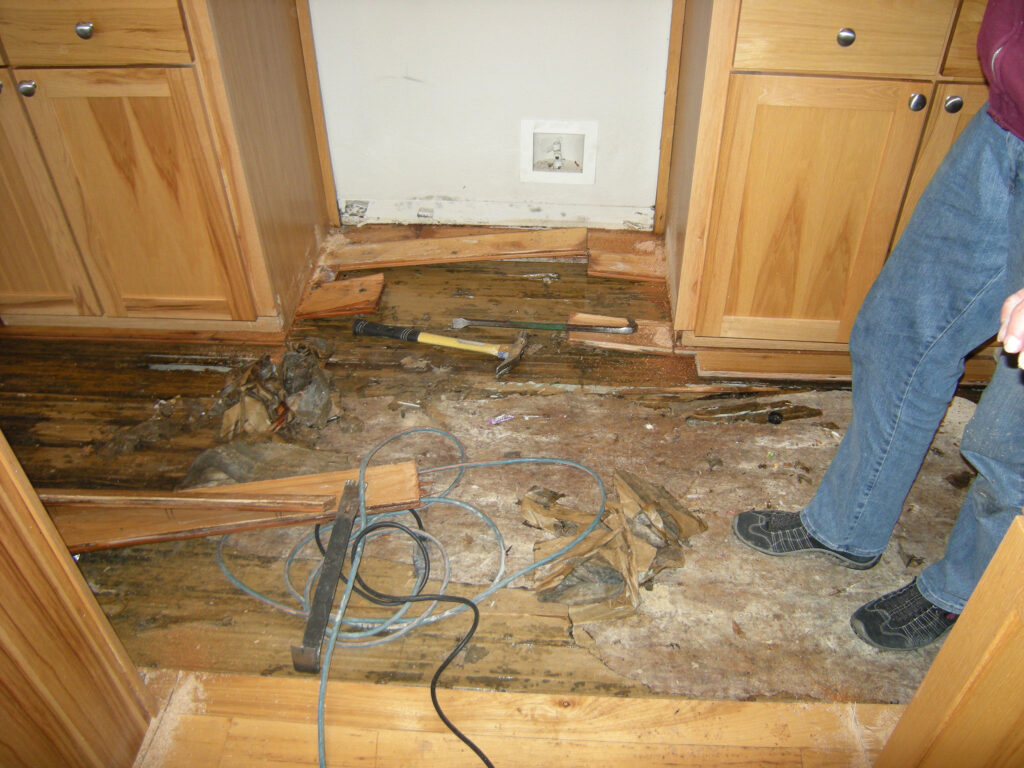
When it comes to water leaks from broken or frozen pipes, our attorneys have in-depth experience handling these types of denied homeowners insurance claims. One client of ours, from the Dallas area, experienced a pipe burst in their upstairs bathroom which caused water damage to the first floor of their home.

Initially, their insurer (Farmers Insurance) sent an adjuster that determined that the damage could be repaired for the cost of their deductible. When our client’s questioned the insurance about this estimate, they hired an engineer to back up their first adjuster’s findings. Unable to make the necessary repairs with this amount, our client hired us to represent them and go after their insurer for a full recovery.

Our third-party adjustor found damage to the flooring and a kitchen cabinet, thousands of dollars in damage, that the original adjuster and engineer missed. Upon receipt of those findings, we filed suit with Farmers Insurance. With the evidence collected our case was stronger than the insurer wanted to contend with and ultimately settled out of court. Originally the insurer had agreed to cover the cost of the sheetrock, but after our findings, we were able to get them to pay enough to cover the cost of the damaged flooring and kitchen cabinetry. We were able to secure the essential funds for our client to make the necessary repairs to their home and get back to life as usual.

Texas does not see cold weather like what we just experienced. Our infrastructure was not ready for the intense cold. Many homes experienced catastrophic damage to their homes and property. To battle the slew of misinformation out there, here are a few things you should know about frozen or broken pipes in general.

What You Should Know

Homeowners insurance typically covers damage that results from broken pipes. 

What if my house is flooding? Water damage from a pipe burst is typically covered under a homeowner’s policy. Flood water damage, including excess groundwater, is not covered by a typical homeowners or renters insurance policy. The homeowner needs a separate flood insurance policy to claim damage on the effects of water egressing or discharging back into the home.

What if I rent? Renters insurance should cover water damages to your personal property from broken or ruptured pipes, but if damages are caused by water backing up in a drain or suction pump you will not be covered without having purchased additional coverage. Renters do not usually need to worry about the damage to their homes. That should be covered by their landlords’ insurance policy.

What if my ceiling collapses? Homeowners insurance does cover sudden and accidental water damage that may result in interior damage. One reason that insurers may deny a claim would be if a filer knew about prior structural decay or damage in the home before the collapse.

Texas Property Insurance Lawyers

Has your homeowner’s or commercial business insurance water claim been denied? We can help. Representing thousands of clients against big insurance companies, our insurance claims attorneys aggressively protect the rights of the policyholder. Our consultations are free, and you owe us nothing until we win your case. Contact us today.

Hailstorm-Damage-Puts-Faith-in-Question

Hailstorm Damage Puts Faith in Question

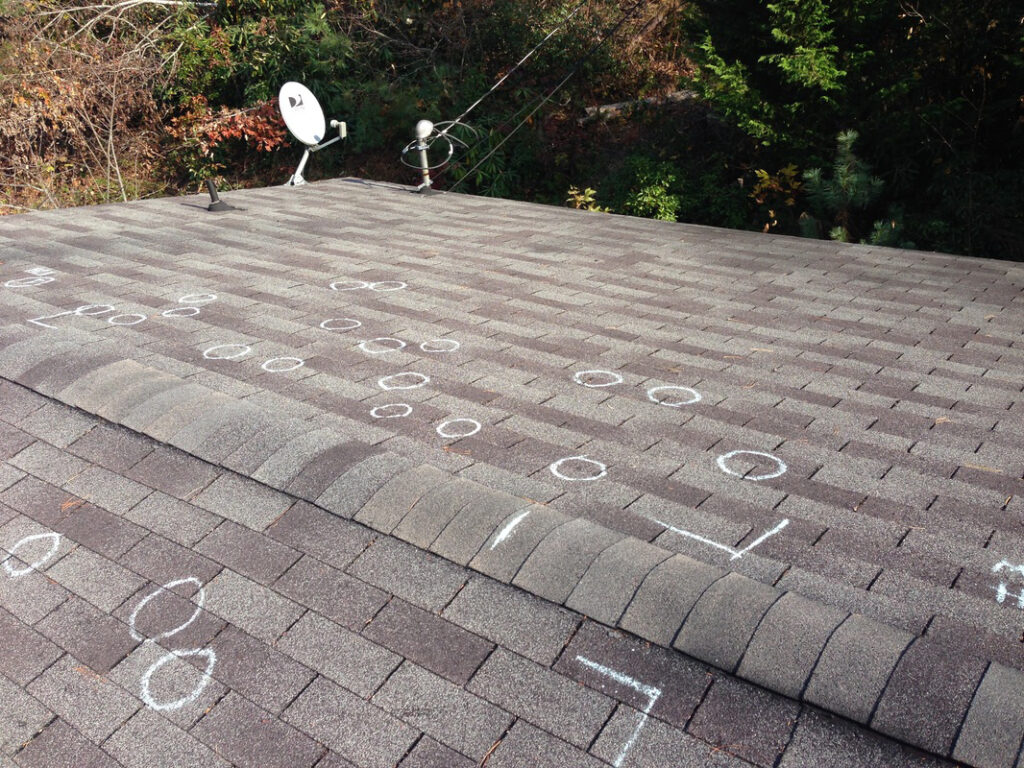
The 2016 storm season was the most expensive storm season on record for Texas. On March 17th, 2016 Arlington, Texas experienced no less than six recorded hailstorms, the largest of which generated hail two-and-a-half inches in diameter. The hazardous weather system began Thursday morning, dropping huge pieces of hail and grounding flights out of DFW Airport. This was a monster storm that damaged many homes in the area, our client being one of those homeowners.

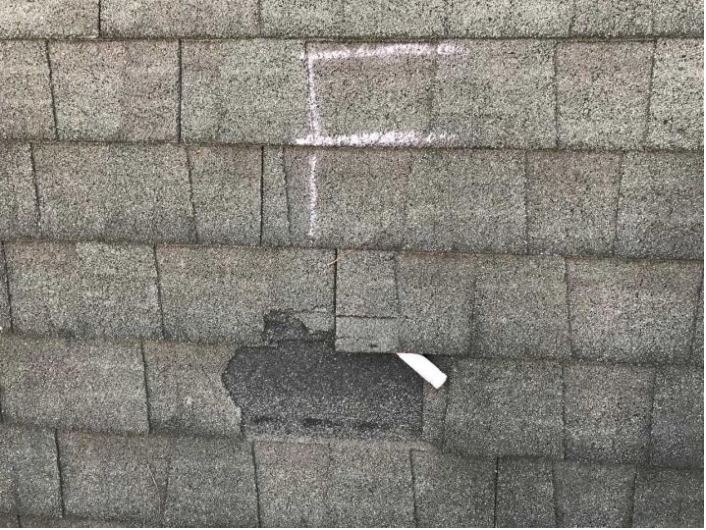
The roof damage was so severe that our client submitted a homeowners insurance claim through his insurance provider, State Farm. After filing the roof damage claim, the insurer sent out their adjuster who inspected the property damage and determined there was none or below our client’s deductible. Blindsided by his insurer’s stance, our client hired us and invoked appraisal for their case. The appraisal award came back at 80,000 times the amount of damages originally assessed by State Farm.

State Farm paid most of the award. To collect the remainder of the award and interest and attorney fees, our client pursued his insurer by filing suit, declaring his insurance company had acted in breach of contract and violation of Chapter 541 of the Texas Insurance Code, the Texas Deceptive Trade Practices Act (DTPC), and the Texas Prompt Payment of Claims Act (TPPCA). To guard their profits, insurers every so often commits deceitful practices, deliberately distort their policy language to avoid paying a claim, use absurd delays to avoid resolution of a claim, or make frivolous demands about proof of loss. This is called a bad faith insurance practice.

Our client’s insurer responded with a motion for partial summary judgment on all our client’s claims as a means of staving off breach of contract and TPPCA pursuits based on the Texas Supreme Court decision in Ortiz. State Farm argued that they had paid the award and therefore there was no breach of contract or extra-contractual claims left to pursue.

Is It Bad Faith, Bad Luck, or Both?

For the statutory bad faith claim to stick, our client had to show a breach of contract by his insurer. The insurer contends that a breach of contract is a prerequisite to statutory bad faith, yet policyholders argue a breach of contract is only a prerequisite to bad faith when the claim is not covered.

Generally, there can be no claim for bad faith when an insurer has promptly denied a claim that is not covered. However, failure to show a breach of contract does not alleviate a policyholder’s bad faith claims. What this means is the insured must show coverage, not a breach of contract. It is undisputed that our client’s claim under the policy was covered. The insurer did find damage, below the deductible when the claim was initially adjusted.

The only fair and rational analysis of the law that does not offend common sense or public policy is one that preserves an insurer’s responsibility to deal with an insured in good faith when the insured’s claim is covered. Our client’s insurance providers manipulation of the law would allow them to ignore their responsibility and systematically delay, deny, or underpay insurance claims until the insured hires an attorney and sends a pre-suit notice letter suing for breach of contract and bad faith, then to simply invoke appraisal, pay the award, and weaken the insurer’s contractual liability but also its statutory liability for bad faith acts and the adjustment process.

At the hearing, our attorneys argued the above and pointed out that an appraisal award that is 80,000 times higher than the amount first assessed by State Farm, and the unilateral (line-item veto) of certain damages in the award, amounted to breach of contract and bad faith. The court agreed and denied State Farm’s summary judgment on all grounds.

Texas Property Insurance Lawyers

Has your homeowner’s or commercial business insurance claim been denied? We can help. Representing thousands of clients against big insurance companies, our insurance claims attorneys aggressively protect the rights of the policyholder. Our consultations are free, and you owe us nothing until we win your case. Contact us today.

Texas-Size-Hailstorm-Crushes-Conroe

Texas Size Hailstorm Crushes Conroe

Hail damage is the number one cause of property damage in the US. In 2019-2020 alone the State of Texas has seen more claims related to hail than most states. Severe property damage occurs when a dangerous storm strikes a highly-populated area with hail larger than an inch or more in diameter. Baseball-sized hail (3.5 inches across) is a common occurrence in the Lone Star State and creates devastation in our communities.

On March 18th, 2018, a major hailstorm blew through Montgomery County, impacting Conroe and the surrounding areas. Our client, an 80-year-old retiree, witnessed extensive hail damage to his roof.  As the original owner of the home, built-in 2006,  our client never imagined that he would have to eventually have to face down a hailstorm-homeowner insurance claim. Relying on his faith as a long-term customer with Safeco insurance (12 + years), he filled a hailstorm insurance claim and to his shock, the claim was denied. At that point he knew, he’d be facing down the insurance company in an effort to cover his losses.

The insurance company sent three different inspectors to review the property damage. Each one ended up blaming the manufacturer of the shingles on the roof, calling the product defective. Ironically, these were the same shingles that had been on the house since it was built. The very same shingles Safeco insured the home with, and routinely collected a premium from our client on. Next, the insurer would deploy extensive stalling and delay tactics to keep from paying our client’s insurance claim. Shortly thereafter, fed up and frustrated, our client hired us to pursue the insurer.

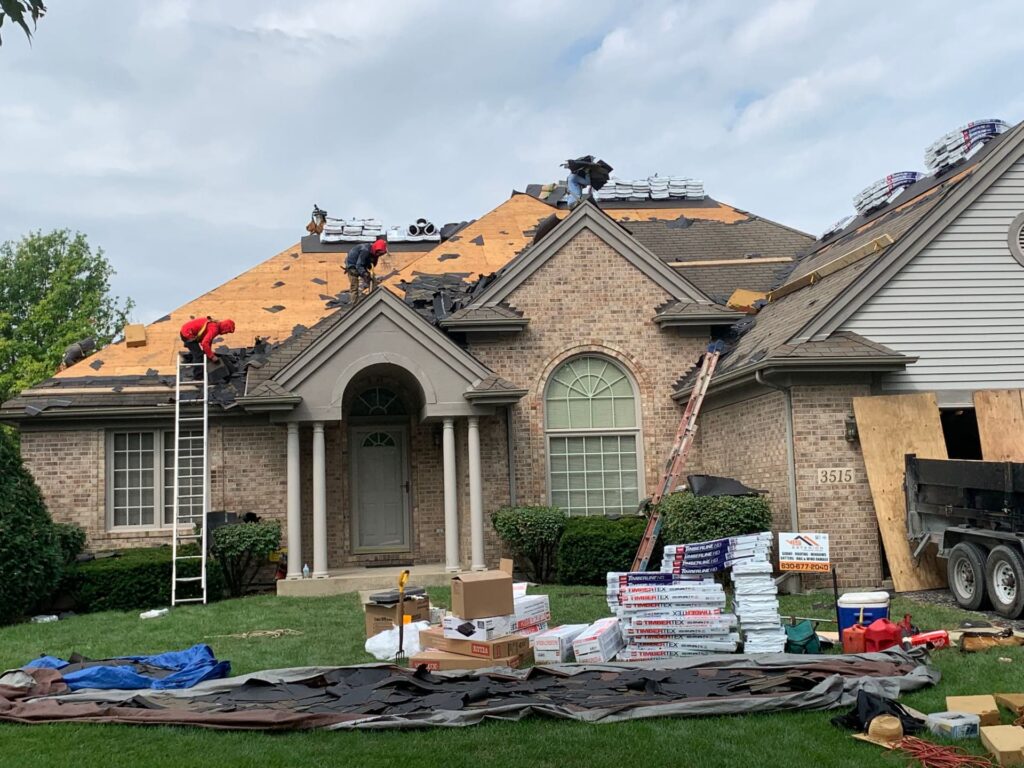
Our team of engineers independently reviewed the property damage and determined the roof damage was not due to defective shingles, but actual storm damage. A series of depositions would cast the case in a new light. With the case set to go to trial and the insurer finally realizing the errors of their ways and the poor treatment of our client and his terminally ill spouse (who passed away during the pendency of the case), the insurance company chose to settle the case. This meant that our client would receive the funds necessary to have a new roof installed on his home.

The Law of Hailstorm Damage Insurance Claims

Homeowners that do not file within the statute of limitations can miss the chance to recover their losses, indefinitely. This timeframe is often two years from the date of the incident, even though a case-by-case or a policy-by-policy analysis of the statute of limitations is required.

Our expert attorneys have seen thousands of cases where insurance companies have delayed, underpaid or simply denied the legitimate claims of the policyholders they insure causing an unfathomable amount of emotional and financial damage. In Texas, this is an illegal practice and insurance companies can be held liable for acting in bad faith. Insurance companies participating in these illegal activities can be sued for up to three times the damages reflected in the insurance claim.

Texas Hail Damage Attorneys 

Has your homeowner’s insurance claim been denied? We can help. Representing thousands of homeowners against big insurance companies, our home insurance claims attorneys aggressively protect the rights of the policyholder. Our consultations are free and you owe us nothing until we win your case. Contact us today.

Twice-Denied-Homeowners-Insurance-Claim-Leads-to-New-Roof

Twice Denied Homeowners Insurance Claim Leads to New Roof

Property damage may include damage to your home, your patio furniture, your fence, your mailbox, or any other belonging to your property. How much you may be able to recover for your property damage can be determined by proof of replacement value, repair costs, the inability of use until fixed or replaced.

Having a roof insurance claim denied is common. Luckily, a roof damage claim denial does not have to be the last word. Understanding the insurance claim process and how to challenge an insurance denial is a valuable skill for every homeowner. In most situations, your homeowner’s insurance covers roof damages due to a storm. You can expect a claim rejection letter if the peril is excluded by your homeowner’s insurance policy. Knowing what your homeowner’s insurance policy excludes is very important. Some standard homeowners insurance policies (HO-3) cover common disasters, but not everything. Some insurance policies have separate wind and hail damage deductibles. Make sure to read your policy carefully to understand what damage is covered.

It Was the Other Storm’s Fault

In the spring of 2016, the Spring, Texas area experienced a wind and hail storm that damaged the roof and exterior of our clients’ home. Our clients, one a 40-year plus emergency room nurse, filed a homeowners insurance claim with their insurer who sent out an adjuster who wrote the damage off as minimal and failed to cover the damage to the roof. The adjuster claimed the roof damage was less than $1000 and under the deductible, even though other houses in the neighborhood received new roofs due to the wind and hail damage. Our clients trusted the results the insurance company provided them with and did not pursue any action after the initial insurance claim denial.

Then came Hurricane Harvey a year later and the roof leaks that followed. Our clients filed another homeowners insurance claim to which their insurance company responded by sending out another adjuster, who came back telling them the roof leaks were a result of previous damage and/or wear and tear, not the storm. That meant the insurance company most likely misrepresented the scope of damages during the first claim back in 2016. Having experience with one denied homeowners insurance claim already, our clients called us to take their case. Our own third-party adjuster concluded the damage from the hailstorm in 2016 that went unrepaired was exacerbated by Hurricane Harvey and ultimately the fault of the insurance company for not fixing the repairs before the hurricane’s impact.

Bad Faith Insurance Claim Seeks Redemption

If the insurance company had fixed the repairs to the home from the initial claim, the damages inflicted during Hurricane Harvey would have been reduced or less severe. We filed suit and sent a demand letter to the insurance company, who settled at mediation with us and provided the funds for the repairs to the exterior of the home as well as a brand new roof for our clients.

Because an insurance company has an obligation of good faith and fairness with the people it insures, those who believe an insurance company has not acted fairly and in good faith also can have a claim for common law bad faith and statutory violations. The Texas Insurance Code also provides the rules for how insurers must behave towards policyholders.

Houston Property Insurance Lawyers

Has your homeowner’s or commercial business insurance claim been denied? We can help. Representing thousands of clients against big insurance companies, our insurance claims attorneys aggressively protect the rights of the policyholder. Our consultations are free, and you owe us nothing until we win your case. Contact us today.

Any-Which-Way-the-Wind-Blows-in-Georgia

Any Which Way the Wind Blows in Georgia

In the path of the storm was our client, a nursing home. Wind-blown debris brought on extensive roof damage along with exterior property damage to the siding, gutters, and HVAC units. This region has a history of property damage going back as far as 1845, so for the residents of the area getting used to property damage has become routine. What is also routine is how our client’s insurer responded to the commercial business insurance claim.

If your commercial business or homeowner insurance claim has been denied then you may be interested in how we have helped this client!

On October 11th, 2018, Hurricane Michael impacted Dougherty County, Georgia. What was the first Category 4 hurricane to hit the US mainland in over a century slowly progressed through Florida into George, where it became a Category 3 by the time it reached the city of Albany. The wind damage was more severe than the damage sustained in Hurricane Irma from a year previous, with wind gusts reaching over speeds of a hundred miles per hour. Many trees had been knocked down along with several businesses losing their facades and an abundance of road debris. The hurricane damage was so bad that residents were asked to stay inside. More than ninety percent of Albany’s Utilities Authority’s customers (24,000+ people) woke up Thursday morning with no power.

Insurance Policies Versus State Laws

Some insurance companies are allowed by the state to have shorter deadlines than the state’s law allows if the parties involved can agree. Georgia’s laws have a general two-year statute of limitations, but per our client’s insurance policy they were only allowed one year to file a lawsuit.

Thirteen days after the one-year limitations period, the insurance company sent our client a claim determination letter stating they had completed their review and determined there was no coverage. Later, we filed suit on behalf of our client. The insurance company responded with a motion to dismiss – claiming we filed suit more than a year after the date of loss. Our response to the court was that we did not have the right to sue until after the determination letter was received by our client and therefore excused from the one-year statute of limitation and the court should disregard the one-year statute of limitations.

On September 30th of this year, the court dismissed the motion to dismiss citing case law, that if the insurance company continues to adjust the claim with the insured and indicates the insurance company is continuing its investigation then the insured is excused from the one-year statute of limitations.

Professional Property Insurance Lawyers

If your commercial business or homeowner insurance claim has been denied, delayed, or underpaid your insurance claim, then we can help. The experienced attorneys at Chad T. Wilson Law Firm have represented more than a thousand clients in cases against insurance companies. Our property insurance lawyers aggressively protect the rights of insurance policyholders. Our consultations are free, and you owe us nothing until your case is won. Contact us today to see how we can help.

Refrigerator Leak Takes Out Kitchen

Refrigerator Leak Takes Out Kitchen

Have you had an appliance leak or flood event in your home and your insurance claim was denied?

For most households, water damage is caused by plumbing or appliance failures. The bills for this type of property damage can add up to hundreds or even thousands of dollars. Historically, only about 8% of interior water damage claims are from weather-related events. Approximately 30% of homeowners insurance claims are caused by appliance failures, while the remaining 62% are often hosing or pipe burst related. The general rule for a water leak or flood event-related homeowners insurance claims is that the insurance policy does cover sudden bursts or breaks in the line causing damage. 

A Damp Evening At Home

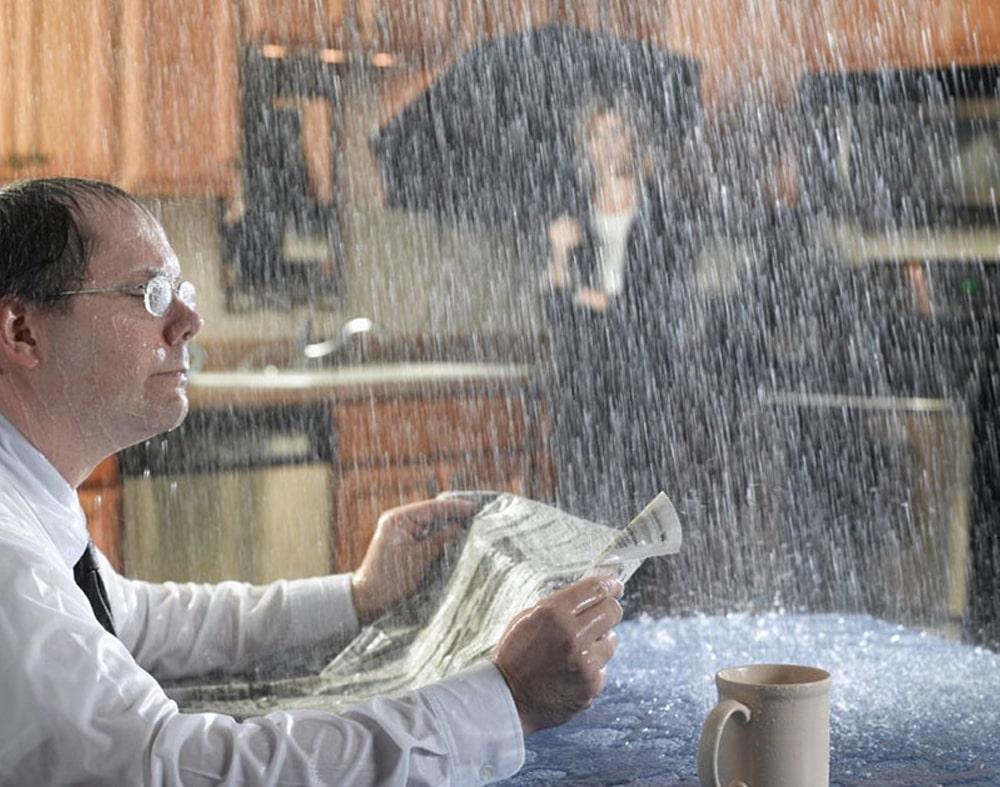
On February 4th, 2019 a client of ours was home enjoying her evening when she was suddenly called to the kitchen by the sound of rushing water. The water line for the refrigerator’s icemaker had ruptured and was spewing water everywhere. The water line had to be shut off to stop the rush of water. In the span of a few minutes the kitchen cabinets, flooring, baseboards, and moldings were soaked. In the hours afterward, many of these same materials began to swell from their absorption of water. The leak was so severe that water had made it out of the kitchen area and into the adjacent dining room, warping and distorting the laminate floor as well.

Once the water had begun to dry up, our client reached out to her insurance company, ASI Progressive, and filed a homeowners insurance claim with them. The insurance company responded by sending out an adjuster who was replaced by another adjuster who was replaced (yet again) by another adjuster. This third adjuster concluded the damages to be minimal and directed her to go to her local big-box hardware store and purchase mismatched replacement cabinets, flooring, and molding. The insurance company was offering to pay for half of the mismatched kitchen cabinets.

Dismissed Her Leak Without A Second Thought

Without a functional kitchen and dining room, the expenses really started to add up for our client. The bleak outlook forced our client to hire us to represent her against ASI. Upon hiring us, we uncovered the mishandling of our client’s claim and fought ASI on their gross underpayment of our client’s homeowners insurance claim.

A demand letter from us was written up and mailed to API Progressive. Seeing that our intentions were to go after every last dollar due to our client, the insurance company settled with us, out of court, for 5 times the initial amount offered to our client. With funds in hand, our client was able to make the necessary repairs to her home and now enjoys cooking and entertaining in her home, as she did pre-loss. This case was settled within 45 days of ASI receiving our demand letter.

Texas Property Insurance Lawyers

Has your homeowner’s insurance claim been denied? We can help. Representing thousands of homeowners against big insurance companies, our home insurance claims attorneys aggressively protect the rights of the policyholder. Our consultations are free and you owe us nothing until we win your case. Contact us today.

1 6 7 8 9 10 13