Insurance Companies Denied The Most Claims

The challenges facing homeowners in disaster-prone areas have grown exponentially, particularly in California. In 2023, three major home insurance companies in the state denied claims at rates significantly higher than the national average, according to a report from Weiss Ratings (source). This trend raises concerns about the state of home insurance amid a climate crisis that continues to increase the frequency and severity of natural disasters. Here are the insurance companies that denied the most claims.

The Numbers Behind the Insurance Denials

Weiss Ratings found that affiliates of Farmers Insurance, based in Los Angeles, denied approximately 50% of claims in California in 2023. USAA affiliates followed closely, declining 48% of claims, while Allstate Insurance, headquartered in Illinois, denied 46% of claims. These figures are starkly higher than the nationwide claim denial rate of 37% and represent a sharp increase from 25% two decades ago.

It’s important to note that these numbers reflect claims denied before California’s devastating wildfires in Los Angeles, which have destroyed more than 12,000 structures. The surge in climate-related disasters has sent insurance costs soaring and, in some cases, prompted insurers to drop coverage in high-risk areas altogether (sourc

Understanding Why Insurance Claims Are Denied

While the Weiss report paints a concerning picture, insurance companies argue that the numbers are more nuanced than they appear. Many of the denied claims cited in the report were closed without payouts because:

  • Damages Did Not Exceed the Deductible: Claims were below the policy’s threshold for coverage.

  • Policy Exclusions: The reported damage was not covered under the specific policy.

Despite these explanations, the end result for policyholders remains the same—no financial assistance to repair or rebuild after damage.

The Climate Crisis and Its Impact on Insurance

Martin Weiss, CEO of Weiss Ratings, attributes the rise in denied claims to the increasing number of climate-related disasters that inflict severe damage or total destruction on homes. The human-driven climate crisis has made extreme weather events more frequent, leaving insurers grappling with soaring costs.

In response to the Los Angeles wildfires, California Insurance Commissioner Ricardo Lara took action to protect affected policyholders. Lara prohibited insurance companies from dropping or refusing to renew policies for up to a year for those impacted by the fires, ensuring homeowners have a safety net as they recover (source).

“Losing your insurance should be the last thing on someone’s mind after surviving a devastating fire,” Lara stated.

What This Means for Homeowners

The Weiss report highlights a critical issue for policyholders: even with protections against non-renewals, insurers are not obligated to approve all claims. This underscores the importance of understanding your policy’s terms, including coverage limits, exclusions, and deductibles.

For homeowners facing denied or underpaid claims, working with an experienced insurance attorney can make all the difference. Legal representation can help policyholders navigate the complex claims process, challenge unfair denials, and secure the compensation they deserve.

How Chad T. Wilson Law Firm Can Help

At Chad T. Wilson Law Firm, we specialize in holding insurance companies accountable for their obligations to policyholders. If your claim has been denied or underpaid, our dedicated team is here to fight for your rights and ensure you receive a fair resolution.

Don’t let your insurance company shortchange you in your time of need.

Contact us today for a free consultation and let us help you rebuild with confidence.

What You Can Do When Home Insurance Fails

home insurance fails

For Karen and Tony Hoover, the last thing they expected after nearly 50 years of insuring their San Francisco Victorian home with Liberty Mutual Insurance was to face a sudden non-renewal of their policy. The cited reason? Aerial photographs allegedly showing “moss, mildew, algae, and mold” on their roof—photos that turned out to be misleading. The Hoovers’ determined fight to restore their coverage not only highlights the challenges many homeowners face today but also serves as a guide for others navigating similar situations.

The Hoovers’ Fight for Coverage

After receiving a non-renewal letter, the Hoovers were baffled. The aerial photograph, which seemed to be sourced from Google Earth, showed no visible evidence of the alleged damage. “All they do is show this picture of the whole roof—looking down. You can’t see one mark of discoloration,” Karen Hoover told reporters from 7NEWS (source).

Determined to clear their name, the couple hired Excelsior Roofing, a reputable local roofing company, to conduct a professional inspection. The results? The roof was in excellent condition, with no signs of mold, algae, or other issues. Armed with detailed photographs and a clean report, the Hoovers appealed the cancellation. While Liberty Mutual initially remained unresponsive, media involvement quickly led to their policy being reinstated.

A Growing Crisis in Home Insurance

The Hoovers’ case isn’t isolated. Across the U.S., especially in disaster-prone states like California and Florida, homeowners are facing increased challenges with insurance cancellations and non-renewals.

  • California: Since 2022, seven of the top 12 insurance carriers have cut existing policies or stopped issuing new ones, leaving thousands of homeowners scrambling for coverage.

  • Florida: In November 2024, Florida’s leading insurance company dropped over 200,000 policies in the wake of Hurricanes Helene and Milton.

An NBC News analysis found that 1 in 8 American homeowners now lack insurance—a troubling statistic in the face of increasing natural disasters.

What to Do if Your Home Insurance Is Canceled

Facing a non-renewal or cancellation can be overwhelming, but there are steps you can take:

  1. Request DocumentationAsk your insurer for a detailed explanation of the decision and any supporting materials, such as photographs or assessments.

  2. Get an Independent Inspection: If cited for property issues, hire a reputable inspector to provide a second opinion.

  3. Complete Necessary Repairs: Address any issues promptly, such as roof repairs or removing debris, to meet the insurer’s requirements.

  4. Contact Your State’s Department of Insurance: If you’re unable to resolve the issue, your state’s Department of Insurance can help ensure the insurer is complying with regulations.

  5. Explore State Insurance Plans: Many states offer last-resort insurance options. For example:

    • California FAIR Plan: Provides basic fire insurance for at-risk properties.

    • Florida Citizens Property Insurance: A non-profit program for homeowners unable to secure traditional policies.

Advocating for Your Rights

The Hoovers’ ordeal underscores the importance of self-advocacy and persistence. By staying informed and proactive, homeowners can challenge unjust decisions and secure the coverage they need.

How Chad T. Wilson Law Firm Can Help

At the Chad T. Wilson Law Firm, we specialize in helping policyholders navigate insurance disputes, from non-renewals to denied claims. Our team of experienced attorneys is dedicated to ensuring that your rights are protected and that you receive the coverage and compensation you deserve.

If your home insurance has been canceled or your claim unfairly denied, don’t face it alone. Contact us today for a free consultation, and let us help you fight back and protect your home.

Colorado's Insurance Crisis

Colorado’s Insurance Crisis

Wildfire risk is on the rise across Colorado, and homeowners are feeling the strain—not only from the physical dangers of fires but also from the growing challenges in securing affordable and comprehensive insurance coverage. Experts warn that the state is teetering on the edge of an insurance crisis similar to what California is currently facing.

Why Colorado Is at Risk

Carole Walker, Executive Director of the Rocky Mountain Insurance Information Association (RMIIA), explains that Colorado’s status as a high-catastrophe state, coupled with unprecedented natural disasters, has created a challenging environment for insurers. “We’re all seeing that play out in rising premiums and also a more limited marketplace for access to insurance,” Walker stated (source).

Over the last decade, insurance companies have experienced consistent financial losses in the state. As a result, homeowners in areas deemed high-risk are being dropped from their policies or facing skyrocketing premiums. For example:

  • In Coal Creek Canyon, residents were abruptly dropped by their insurers in late 2024.

  • In Castle Rock, HOA fees in the Latigo community doubled due to a 600% increase in insurance premiums.

  • Homeowners in Arvada reported difficulty finding coverage, with one resident receiving only a single quote after contacting 20 insurance companies.

What Makes Colorado Vulnerable?

Colorado shares many of the same risks as California, including wildfire-prone areas and rapidly increasing reconstruction costs. However, Walker points out that the state hasn’t yet implemented the same “man-made catastrophes”—policy decisions—that have worsened California’s crisis. Still, she warns that Colorado is “a few bad decisions away” from a similar outcome.

What Homeowners Can Do

As the insurance landscape shifts, it’s crucial for Colorado homeowners to take proactive steps:

Review Your Insurance Policy

Understand what your policy covers, including wildfire and natural disaster risks.

Take Advantage of Discounts

 Speak with your insurance professional about potential savings and discounts you might qualify for.

Consider Mitigation Programs

Wildfire mitigation efforts, such as creating defensible space around your property, can reduce risk and make your home more attractive to insurers.

Explore All Insurance Options

While the Colorado FAIR Plan provides last-resort coverage for properties at extreme risk, it’s best to exhaust traditional options first.

The Role of Legislative Action

Walker emphasized the importance of collaboration between homeowners, insurers, and legislators to stabilize Colorado’s insurance market. Programs that scale wildfire mitigation efforts could make a significant difference in reducing risk and costs. “We know that wildfire is one of those risks that we can bend down through mitigation,” she said. “Doing it at a scale that makes a difference to those insurance companies is key.”

How Chad T. Wilson Law Firm Can Help

At the Chad T. Wilson Law Firm, we understand the challenges homeowners face in securing fair and adequate insurance coverage. Our team specializes in holding insurance companies accountable, ensuring that policyholders receive the compensation they deserve when disaster strikes.

If your insurance claim has been denied or underpaid, don’t navigate the complexities alone. Contact us today for a free consultation, and let us help you protect your home and financial future.

State Farm Policies Impact Californians

State Farm Policies Impact Californians

State Farm, California’s largest home insurer, is requesting a 30% rate increase on homeowners insurance. The company cites wildfire risks and rising reconstruction costs as reasons for the hike. However, advocacy group Consumer Watchdog has raised concerns about the fairness of these rates.

Why is Consumer Watchdog criticizing State Farm?

Consumer Watchdog alleges that State Farm has been overpaying for reinsurance from its parent company, State Farm Mutual, while recovering little in return. According to Yahoo Finance, State Farm spent $2.2 billion on reinsurance from 2014 to 2023 but recovered less than 20% of that cost. Carmen Balber, executive director of the group, stated:

“Reinsurance is a main reason State Farm is asking for its massive 30% rate hike — but the company is overpaying for reinsurance, and consumers shouldn’t foot the bill” (Yahoo Finance, 2024).

How are Californians affected?

The proposed hike comes at a challenging time for California homeowners. State Farm has already raised rates by 20% earlier this year and announced it will not renew 72,000 policies. These changes coincide with similar moves from other major insurers, like Farmers and Allstate, who are raising premiums or withdrawing from California due to escalating wildfire risks and claims costs.

California Insurance Commissioner Ricardo Lara has introduced reforms to stabilize the state’s insurance market. However, Consumer Watchdog strongly opposes a new regulation allowing insurers to pass reinsurance costs directly to policyholders. They argue that State Farm’s practices are “Exhibit A” for why this rule could lead to unfair pricing for consumers.

What does this mean for California homeowners?

The Department of Insurance is reviewing State Farm’s rate hike request and demanding more transparency about its reinsurance agreements and financial health. The decision could have major implications for policyholders already struggling with high premiums and limited options.

Source: Yahoo Finance, State Farm Accused of Funneling Excess Reinsurance Costs to Parent Company, 2024. Read the full article here.

Citizens Property Insurance Under Fire after Hurricane Debby

On August 5, 2024, Hurricane Debby made landfall in Florida, bringing 99 mph winds, a 6-foot storm surge, and dozens of tornadoes. The storm caused extensive flooding and wind damage, leaving thousands of homes and businesses demolished and tragically resulting in eight fatalities.

Why are claims being denied?

Citizens Property Insurance, Florida’s largest insurer with over 1.2 million policies, denied 77% of claims related to Hurricane Debby. According to Newsweek, Citizens spokesperson Michael Peltier explained:

“That area received minimal wind damage but significant flood/surge damage. Since surge and flood are excluded, most of the claims have been denied or closed with no payment” (Newsweek, 2024).

Flood damage, not covered under standard property insurance, forces many homeowners without flood insurance to rely on FEMA grants for financial support.

How does this impact Florida homeowners?

The effects of Hurricane Debby highlight ongoing challenges in Florida’s insurance market. While Citizens is designed as a “last-resort” insurer, its high denial rates leave many policyholders struggling with repair costs. U.S. Senator Sheldon Whitehouse has raised concerns about the company’s financial stability, warning:

“Citizens is potentially one catastrophic storm or storm season away from losses that exceed its immediate ability to pay by billions” (Newsweek, 2024).

Floridians face rising premiums, limited coverage options, and uncertainty about their insurance claims. The state’s insurance crisis underscores the importance of understanding policy limitations and exploring flood insurance as an additional safeguard.

Source: Newsweek, Florida’s Largest Insurer Denies Hurricane Debby Claims, 2024. Read the full article here.

Major Victory Over State Farm

SunisaLeeMural Chad T. Wilson Law Firm

We are proud to announce a major victory for our client, Cheu Lee, a first generation Hmong American who came to the U.S. as a Vietnam War refugee in 1976. Since then, he has worked tirelessly to build a better life, culminating in the ownership of a commercial building in his community—a building proudly adorned with a mural of his granddaughter, Olympic gold medalist Sunisa Lee.

Mr. Lee’s case involved State Farm’s failure to pay a windstorm claim, which left his building with extensive interior damage. State Farm failed to honor his claim, leaving his businesses—including a tax accounting office, the Hmong Pages newspaper, and his wife’s dance studio—at a standstill. This building represented more than just a place of business. It was the culmination of a lifetime of hard work and a symbol of pride for both Cheu and the Hmong community.

Cheu’s dedication during this case was extraordinary. Attorney Hunter Odom recalls, “You could tell this was more than just a court case to Mr. Lee.  He was early to arrive at the courthouse every morning, despite serious personal obligations that would have prevented most from attending, and he never once complained.” Mr. Lee’s perseverance certainly paid off! With this compensation, Mr. Lee can now repair his building and continue the work he’s spent his life building.

HUNTER ODOM

“When the clerk read the verdict, there was a feeling of immediate relief, followed almost instantaneously by appreciation from Mr. Lee.  He shook Jim’s hand and mine, and he left the courtroom facing us in thanks,” says attorney Hunter Odom. “Mr. Lee’s story is exactly why I became an attorney. He represents the American dream—hard work, resilience, and dedication to family. It was an honor to stand by him in this fight.”

Jim Smith, our local counsel, was integral to the success of this case. His expertise and dedication, alongside Hunter’s, helped ensure that justice was served, and Mr. Lee can begin recovering what he lost. This is more than just a legal victory—it’s a testament to the perseverance of the enduring strength of the American dream. Congratulations to Cheu Lee and his family.

At the Chad T. Wilson Law Firm, we fight for clients like Cheu Lee, standing by them through every step of the legal process. This victory is about restoring what people like Mr. Lee have built and preserving what they’ve created for their families and communities. We are proud to help clients protect their dreams and rebuild their futures, one case at a time.


In a significant move affecting Texas homeowners, Progressive Insurance has announced a temporary suspension of offering new homeowners insurance policies in the state. This decision comes on the heels of Hurricane Beryl’s devastation across Houston and raises concerns about the stability of the homeowners insurance market in Texas.

At Chad T. Wilson Law Firm, we understand the challenges that homeowners face when navigating insurance claims, especially during times of crisis. This article aims to provide a comprehensive overview of the situation and offer guidance to those affected.

Progressive’s Decision and Its Implications

Temporary Restriction on New Policies

In a recent letter to shareholders, Progressive Insurance CEO Tricia Griffith stated that the company is “temporarily restricting new homeowners’ business” in Texas. The move is part of a strategic effort to reduce the impact of weather-related volatility on the company’s portfolio.

Focus on Weather-Related Risks

Griffith emphasized the importance of shifting the company’s geographic mix, focusing on growing in states with lower weather risks while reducing exposure in areas more susceptible to catastrophic events like hurricanes and hailstorms.

Impact on Existing Policyholders

While the suspension currently affects new policies, there is concern among existing policyholders about potential non-renewals or premium increases. In Florida, Progressive previously dropped 115,000 policyholders due to similar concerns over natural disasters.

Wind Damage Claims Lawyer

Rising Insurance Costs for Texas Homeowners

Homeowners across Texas are experiencing significant hikes in insurance premiums. Some residents have reported increases from $2,600 to $8,800 within a year, making it increasingly difficult to maintain adequate coverage.

Comparison with National Averages

According to Bankrate, Texas homeowners pay an average of $3,898 for $300,000 in dwelling coverage—72% more than the national average of $2,270. These escalating costs highlight the growing financial strain on Texas residents.

What Is an Insurance Appraiser and What Do They Do?

Other Insurers Following Suit

Progressive is not alone in this trend. Foremost Insurance, a subsidiary of Farmers Insurance, ceased writing and renewing new policies shortly before Hurricane Beryl struck. In communications to customers, the company cited a reassessment of risks related to natural and catastrophic losses.

Potential for a Widening Crisis

The withdrawal of major insurers from the Texas market could exacerbate the homeowners insurance crisis, limiting options for residents and potentially leading to higher rates due to decreased competition.

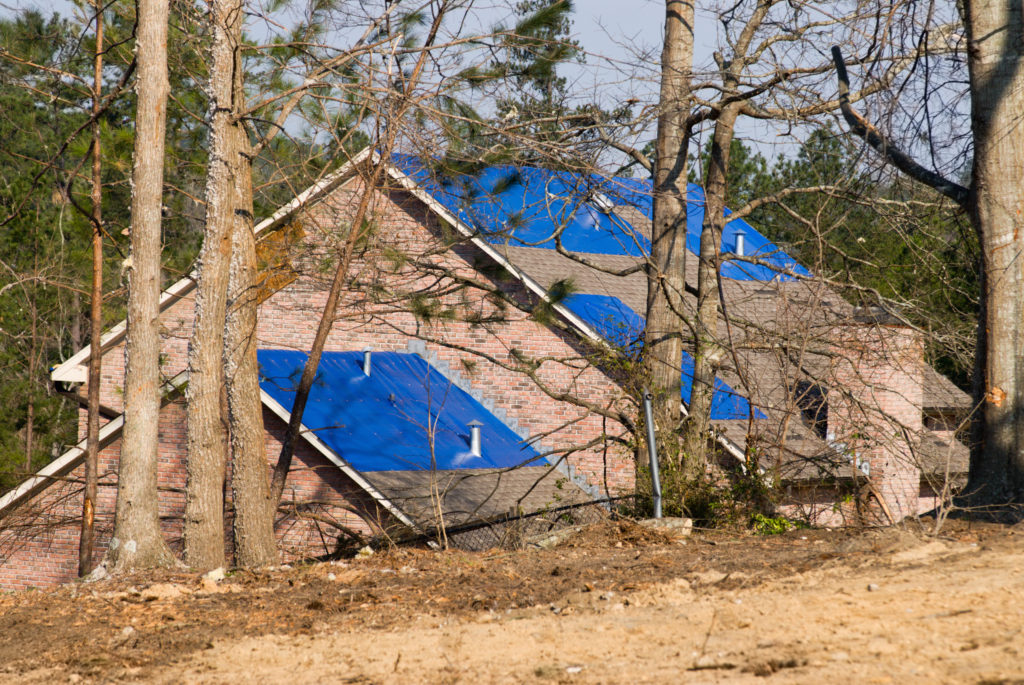
tornado damaged house with a blue tarpaulin on the roof

Options for Texas Homeowners

Texas Fair Plan Association

For those struggling to obtain coverage, the Texas Fair Plan Association (TFPA) offers a lifeline. Established by the Texas Legislature in 1995, TFPA provides basic property insurance for eligible Texas homeowners who are unable to secure coverage through the voluntary market.

Considerations

While TFPA can be a valuable resource, policies may come with limitations and higher premiums. Homeowners should carefully assess their coverage needs and explore all available options.

Insurance Adjusters

Legal Recourse and Support

Understanding Your Rights

If your insurance policy has been non-renewed or you are facing exorbitant premium increases, it’s crucial to understand your legal rights. Insurance companies are obligated to follow state regulations when making such decisions.

How Chad T. Wilson Law Firm Can Help

Our firm specializes in representing policyholders in disputes with insurance companies. We offer:

  • Free Consultation: Assess your situation with no obligation.
  • Expert Representation: Navigate the complexities of insurance law with seasoned professionals.
  • Contingency Basis: No fees unless we secure a recovery on your behalf.

Steps to Take if Affected

  1. Review Your Current Policy: Understand the terms, coverage limits, and any notices of changes or non-renewal.
  2. Explore Alternative Insurance Options: Seek quotes from other reputable insurers still operating in Texas.
  3. Consult with an Attorney: If you believe your rights are being infringed upon, legal advice can provide clarity and direction.
  4. Stay Informed: Monitor communications from your insurer and stay updated on industry developments.

Conclusion

The decision by Progressive Insurance to halt new homeowners policies in Texas underscores the challenges facing the state’s insurance market. As natural disasters become more frequent and severe, homeowners must be proactive in securing adequate coverage and advocating for their rights.

At Chad T. Wilson Law Firm, we are committed to assisting Texas homeowners during these uncertain times. If you have concerns about your insurance coverage or need legal assistance, please reach out to us.

Contact Us Today

Stay Protected. Stay Informed. We’re Here to Help.


On June 7, 2024, the Texas Supreme Court issued its opinion in Texas Department of Insurance v. Stonewater Roofing, Ltd. Co., Case No. 22-0427. This case involved an issue important to the Texas insurance landscape: when does a contractor overstep boundaries and begin to engage in conduct that is in violation of the Public Insurance Adjusters Act?

It is important to note that this case started as a contract dispute between Stonewater Roofing and a commercial property owner and did not result from a TDI enforcement action against Stonewater. In fact, Stonewater voluntarily filed what is known in the legal field as a declaratory action to bring TDI into the dispute in an attempt to invalidate the relevant laws and regulations concerning public adjusters.

While this case was not explicitly an enforcement action against Stonewater, the issues addressed by the court are important to keep in mind for roofers and contractors to avoid issues that could come up when assisting insureds with insurance claims.

Legal and Regulatory Background

At issue in the declaratory action filed by Stonewater were two provisions under the Texas Insurance Code that pertain to public adjusters: Texas Insurance Code section 4102.051(a) concerning the licensing requirement for public adjusters, and section 4102.163(a) regarding the “dual-capacity” prohibition, which prevents an individual from both negotiating a claim and performing the ensuing repair work. These two provisions are part of the broader set of laws known as the Public Insurance Adjusters Act, passed in 2003.  

Stonewater’s Actions at Issue

Built Up Roofing

The court focused on specific concerns with advertising on Stonewater’s website and language in its contract. Regarding advertising on its website, the court noted specific claims that Stonewater made including that it was an “Insurance Specialist” and “The Leader in Insurance Claim Approval.” The court viewed these advertising claims as promoting actions typically carried out by public adjusters in resolving claims on behalf of insureds, which was problematic because no one associated with Stonewater was a licensed public adjuster in the State of Texas.

In reviewing Stonewater’s contract at issue, the court expressed concerns about language used in that form contract. Specifically, the contract expressly authorized Stonewater to “negotiate” with the insurance company “on the customer’s behalf” and perform construction work “upon insurance approval.” Aside from using language very similar to that approved by TDI for public adjuster contracts, the Stonewater contract also clearly violated the “dual-capacity” prohibition outlined in Texas Insurance Code section 4102.163(a) that prevents an individual from serving as both the public adjuster and completing the repairs relating to the insurance claim.

Assisting an Insured with an Insurance Claim is of Course Permitted 

The court considered the dispute in the context of the First and Fourteenth Amendment under the United States Constitution. Specifically, Stonewater believed that the First Amendment came into play because even in the role of contractor, communications were necessary in resolving the claim. The question could be boiled down to this: did the laws and regulations pertaining to activities typical of a public adjuster work to prevent a contractor from assisting with a claim or discussing it with the insurance company? 

As mentioned above, the court took issue with advertising on Stonewater’s website and contract language that blurred the lines between the roles of a public adjuster and a contractor (and which gave rise to the First Amendment violation that was claimed by Stonewater). However, the court went out of its way to make it clear that a contractor still has an important role to play in assisting with an insurance claim. 

The court referenced guidance from TDI to make it clear that a contractor can discuss and answer questions regarding such things as the damage to the insured’s home, which materials are necessary to complete repairs, the cost and scope of repairs relating to the claim, and any supplements or clarifications regarding those repairs. The court specifically acknowledged that the applicable statutes did not prevent roofers or contractors from sharing their knowledge and expertise regarding repairs. The court also suggested that actions by a contractor such as discussing policy coverage or exclusions were not necessarily prohibited by the Public Insurance Adjusters Act (which would involve the First Amendment concerns Stonewater raised) but instead would only provide evidence of a possible improper agreement that might be in violation of the Act. 

Takeaways for Roofers and Contractors to Consider

Chad T. Wilson Law Firm - Roofing Contractors

The court’s opinion provides some important things to consider for contractors and roofers. While assisting an insured with an insurance claim is clearly permitted, and the experience a roofer/contractor has regarding determining the scope of damage and cost of repair is valuable to the process, a roofer/contractor should be careful to not undertake actions that might fall under the laws and regulations that apply to licensed public adjusters. 

A good place to start to make sure actions do not run against those laws and regulations is to consider guidance from TDI on the topic, which the court also referenced. Additionally, avoiding advertising that makes claims regarding success with insurance claims and getting insured’s the top dollar on the claim would help avoid these issues. Finally, reviewing existing contract language to avoid including words suggesting the contractor/roofer would “negotiate” or “advocate” on behalf of the insured in helping with the claim would be advisable.    

At the Chad T. Wilson Law Firm, we know that we each have a role to play in assisting policyholders to achieve a fair resolution of their insurance claims. Ensuring that state laws and regulations are complied with helps avoid any unforeseen issues that may compromise that goal that we all share. 

Is your claim being denied or underpaid? Call Chad T. Wilson Law Firm, PLLC.

Speak with one of our attorney if you’re having trouble getting your claim processed or if the insurance company is attempting to pay less for the claim than is reasonable.

Contact us: https://cwilsonlaw.com/contact-us/ 

Follow us on Social media: https://beacons.ai/chadtwilsonlaw

Contact our office locations to schedule a free consultation.


Chad T. Wilson is an attorney whose firm specializes in property insurance disputes.

Schedule a free Consultation

Chad T. Wilson – What Is the Difference Between RCV and ACV Coverage? (2024)
April 25th, 2024
Source: https://cwilsonlaw.com/
https://www.opic.texas.gov/residential-property-insurance/basics/acv-vs-rcv/

So what is the difference between RCV (replacement cost value) insurance and ACV (actual cash value) insurance?

What is RCV and ACV?

If you have replacement costs or RCV coverage, your insurance policy will pay the cost to repair or replace your damaged property without deducting depreciation.

If you have actual cash value or ACV coverage, your insurance policy will pay the depreciation costs to repair or replace your damaged property.

Regardless of what type of policy you have, the company will first pay you the ACV of an item, which means depreciation will be withheld.

If your policy allows RCV coverage, once the property is replaced, they will release the deductible depreciation, giving you the full replacement cost of your policy. If you upgrade your policy, the difference will be your financial responsibility as the insurance company will not allow the upgrade.

All additional estimates must be submitted to your insurance company for approval. If you’re not sure what type of coverage you have, check the declarations page of your home insurance policy to see if it offers replacement cost coverage.

If it specifies a replacement cost, then you will benefit from replacement cost coverage. If it doesn’t specify a replacement cost, your policy likely only covers actual cash value. Remember that there are different ways for your insurance company to handle your claim, depending on the type of insurance policy you have.

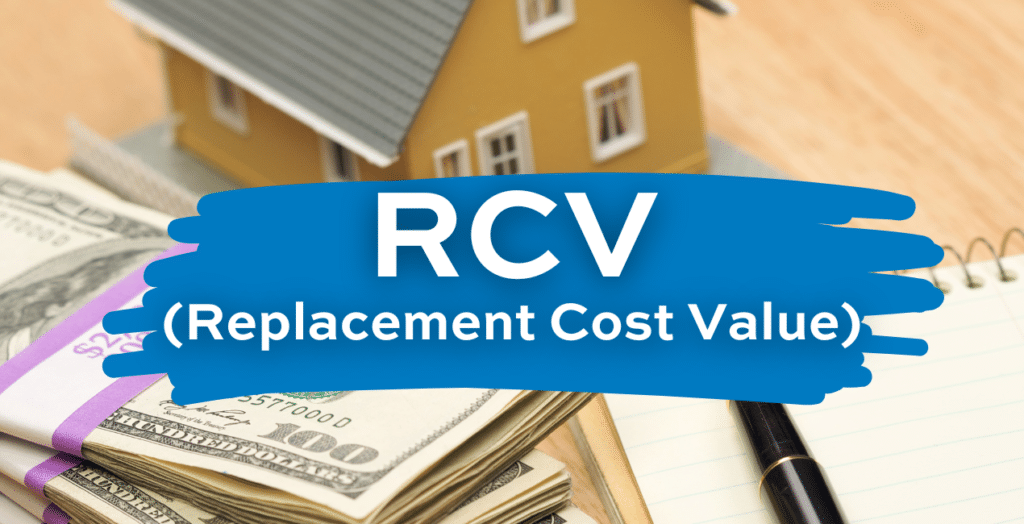
RCV (Replacement Cost Value)

Replacement cost settlement ensures that you receive compensation equivalent to the current market value needed to replace a damaged item. Let’s consider the case of replacing a 10-year-old roof, which is estimated to cost $30,000. With a deductible of $1,500 and a recoverable depreciation of $15,000, the insurance company initially provides an Actual Cash Value (ACV) payment of $13,500. Upon completing all necessary repairs, you become eligible to claim the remaining $15,000 in recoverable depreciation. 

This means you can potentially recover up to $28,500 after all claim payments have been processed, ultimately covering just your deductible. The insurance payout calculation involves deducting the recoverable depreciation and deductible from the cost of the new roof, resulting in an initial payment of $13,500. Subsequently, once repairs are finalized, you can claim the remaining $15,000 in recoverable depreciation, leading to a total insurance claim settlement of $28,500 after all adjustments have been made.

ACV (Actual Cash Value)

Now, let’s consider a scenario where we compare the insurance settlement approaches. An Actual Cash Value (ACV) settlement allows the insurer to compensate you for the cost of repairing or replacing your property, minus depreciation. Depreciation, representing the decline in asset value over time due to age or usage, is calculated at $1,000 per year. For instance, if the cost to replace a 10-year-old roof is $30,000, with a deductible of $1,500 and an irrecoverable depreciation of $15,000, the ACV payment from the company would amount to $18,500.

Under your insurance policy, your out-of-pocket expense will be limited to your deductible amount. In the case of a Replacement Cost Value (RCV) policy, you might also need to cover the recoverable depreciation. Keep in mind that the insurance company won’t automatically reimburse you for recoverable depreciation; you’ll need to provide supporting documentation, like paid receipts for repairs and relevant photos. You’ll have a specific timeframe to submit these documents for the company to consider releasing any recoverable refund funds.

The insurance payment is calculated by taking the cost of the new roof, which is $30,000. Next, you subtract the depreciation, which is $1,000 per year over 10 years, giving you a total depreciation of $10,000. Then, subtract the deductible of $1,500. This results in a total insurance payment of $18,500.

You will be responsible for your deductible and the remainder of the difference. As evident, the same damage can yield varying insurance payments. While an Actual Cash Value (ACV) policy typically offers lower premiums compared to Replacement Cost Value (RCV) policies, the latter aims to fully compensate the policyholder for covered losses. Understanding your policy and selecting the most suitable option is crucial. For any additional questions or concerns, it’s advisable to contact your insurance agent or company.

The level of the damage, the size of the roof, the materials used in the roof’s construction, the insurance policy coverage, the deductible amounts, and the location of the property are some of the factors that can affect the typical insurance payment for hail damage to a roof.

But insurance benefits for hail damage to a roof usually run from a few hundred to several thousand dollars, to give you an idea. Payouts may reach several thousand dollars or even tens of thousands of dollars in extreme situations if the harm is extensive.

Does hail damage get covered by home insurance?

Yes, hail damage to your roof, along with any other structures on your property, should be covered by your homeowner’s insurance policy. In addition, hail damage to windows, siding, gutters, and exterior hardscaping should be covered by your policy. Furthermore, “other structures” may be covered separately for hail damage under some policies.

It is crucial to take action if you have roof damage on your property as soon as possible. Ignoring such damage can lead to:

Structural Integrity:

A damaged roof can compromise the structural integrity of your property. If left unrepaired, even minor damage can worsen over time, potentially leading to more extensive structural issues.

Water Damage:

One of the most common problems associated with roof damage is water leakage. Holes, cracks, or missing shingles can allow water to seep into the attic, ceilings, walls, and other structural components of your property. This water infiltration can lead to rotting wood, mold growth, and damage to insulation, drywall, and electrical systems.

Decreased Energy Efficiency:

A damaged roof may result in poor insulation and ventilation, leading to increased energy consumption and higher utility bills. Gaps in the roof can allow heated or cooled air to escape, forcing your HVAC system to work harder to maintain a comfortable indoor temperature.

Pest Infestation:

Holes or openings in the roof can provide entry points for pests such as birds, rodents, insects, and other unwanted critters. Once inside, these pests can cause further damage to your property and pose health risks to occupants.

Decreased Property Value:

Roof damage can detract from the aesthetic appeal and overall value of your property. Potential buyers may view a damaged roof as a red flag and either negotiate a lower price or choose to look elsewhere, impacting your ability to sell the property at a desirable price.

Safety Hazards:

Loose or damaged roofing materials can pose safety hazards to occupants and visitors. For example, loose shingles or tiles may fall off and cause injury to individuals below, especially during windy conditions.

Insurance Issues:

If roof damage leads to other problems such as water damage or mold growth, your insurance company may be less likely to cover the costs if they determine that the damage resulted from neglect or lack of proper maintenance. It’s important to address roof damage promptly to avoid potential disputes with your insurance provider.

Overall, addressing roof damage promptly through regular inspections, maintenance, and timely repairs is essential for preserving the integrity, safety, and value of your property.

When should I hire a property insurance attorney for hail damage on my roof?

Denied Claim

It could be a good idea to get legal counsel if your insurance provider rejects your claim for hail damage to your roof. After reviewing the denial, a lawyer can determine if you have a case for an appeal or other legal action.

Underpaid Claim

An attorney can negotiate on your behalf or take legal action to seek just compensation if your insurance carrier offers a settlement that you feel is insufficient to pay for the expense of fixing or replacing your roof.

Complex Claims

An attorney with experience in property insurance law can be very helpful if your claim involves complex issues, including conflicts over the level of damage, policy coverage, or the insurance company’s assessment.

Bad Faith Practices

An attorney can look into the matter and fight for your rights if you believe that your insurance company is acting unfairly by refusing or postponing your claim. If required, they may also take the insurer to court.

Policy Interpretation

Insurance plans can be confusing, and there may be room for interpretation when it comes to the wording about coverage for hail damage. A lawyer can examine your policy, clarify the alternatives you have for coverage, and suggest the best line of action for you.

Litigation Representation

If your case goes to trial, a property insurance law specialist can represent you in court and try to get the best result possible out of your case.

If you need help resolving complicated issues, need counsel in court, or have problems with your insurance company, consulting The Chad T. Wilson Law Firm for hail damage on your roof will be a major advantage.

Is your claim being denied or underpaid? Call Chad T. Wilson Law Firm, PLLC.

Speak with one of our attorney if you’re having trouble getting your claim processed or if the insurance company is attempting to pay less for the claim than is reasonable.

Roof damage can pose several significant problems to your property. Depending on the extent of the damage, hail-damaged roof repair can cost anywhere from $300 to $32,500, with an average of $4,250 (2024). Golf-ball-sized hail can cause issues, but most hail is too small to seriously harm a roof that has been constructed correctly.

While small dents and dings might only need cosmetic repairs, punctures should be fixed immediately since they could expose the roof’s structure to water damage. We’ll go over major and small repair costs as well as how much your insurance will likely pay below.

The level of the damage, the size of the roof, the materials used in the roof’s construction, the insurance policy coverage, the deductible amounts, and the location of the property are some of the factors that can affect the typical insurance payment for hail damage to a roof.

But insurance benefits for hail damage to a roof usually run from a few hundred to several thousand dollars, to give you an idea. Payouts may reach several thousand dollars or even tens of thousands of dollars in extreme situations if the harm is extensive.

Does hail damage get covered by home insurance?

Yes, hail damage to your roof, along with any other structures on your property, should be covered by your homeowner’s insurance policy. In addition, hail damage to windows, siding, gutters, and exterior hardscaping should be covered by your policy. Furthermore, “other structures” may be covered separately for hail damage under some policies.

It is crucial to take action if you have roof damage on your property as soon as possible. Ignoring such damage can lead to:

Structural Integrity:

A damaged roof can compromise the structural integrity of your property. If left unrepaired, even minor damage can worsen over time, potentially leading to more extensive structural issues.

Water Damage:

One of the most common problems associated with roof damage is water leakage. Holes, cracks, or missing shingles can allow water to seep into the attic, ceilings, walls, and other structural components of your property. This water infiltration can lead to rotting wood, mold growth, and damage to insulation, drywall, and electrical systems.

Decreased Energy Efficiency:

A damaged roof may result in poor insulation and ventilation, leading to increased energy consumption and higher utility bills. Gaps in the roof can allow heated or cooled air to escape, forcing your HVAC system to work harder to maintain a comfortable indoor temperature.

Pest Infestation:

Holes or openings in the roof can provide entry points for pests such as birds, rodents, insects, and other unwanted critters. Once inside, these pests can cause further damage to your property and pose health risks to occupants.

Decreased Property Value:

Roof damage can detract from the aesthetic appeal and overall value of your property. Potential buyers may view a damaged roof as a red flag and either negotiate a lower price or choose to look elsewhere, impacting your ability to sell the property at a desirable price.

Safety Hazards:

Loose or damaged roofing materials can pose safety hazards to occupants and visitors. For example, loose shingles or tiles may fall off and cause injury to individuals below, especially during windy conditions.

Insurance Issues:

If roof damage leads to other problems such as water damage or mold growth, your insurance company may be less likely to cover the costs if they determine that the damage resulted from neglect or lack of proper maintenance. It’s important to address roof damage promptly to avoid potential disputes with your insurance provider.

Overall, addressing roof damage promptly through regular inspections, maintenance, and timely repairs is essential for preserving the integrity, safety, and value of your property.

When should I hire a property insurance attorney for hail damage on my roof?

Denied Claim

It could be a good idea to get legal counsel if your insurance provider rejects your claim for hail damage to your roof. After reviewing the denial, a lawyer can determine if you have a case for an appeal or other legal action.

Underpaid Claim

An attorney can negotiate on your behalf or take legal action to seek just compensation if your insurance carrier offers a settlement that you feel is insufficient to pay for the expense of fixing or replacing your roof.

Complex Claims

An attorney with experience in property insurance law can be very helpful if your claim involves complex issues, including conflicts over the level of damage, policy coverage, or the insurance company’s assessment.

Bad Faith Practices

An attorney can look into the matter and fight for your rights if you believe that your insurance company is acting unfairly by refusing or postponing your claim. If required, they may also take the insurer to court.

Policy Interpretation

Insurance plans can be confusing, and there may be room for interpretation when it comes to the wording about coverage for hail damage. A lawyer can examine your policy, clarify the alternatives you have for coverage, and suggest the best line of action for you.

Litigation Representation

If your case goes to trial, a property insurance law specialist can represent you in court and try to get the best result possible out of your case.

If you need help resolving complicated issues, need counsel in court, or have problems with your insurance company, consulting The Chad T. Wilson Law Firm for hail damage on your roof will be a major advantage.

Is your claim being denied or underpaid? Call Chad T. Wilson Law Firm, PLLC.

Speak with one of our attorney if you’re having trouble getting your claim processed or if the insurance company is attempting to pay less for the claim than is reasonable.

Chad T. Wilson – What Is the Average Cost of Fixing Hail Damage to Your Roof? (2024)
April, 9th 2024
Updated: April, 9th 2024 –12:40 p.m.
Source: https://cwilsonlaw.com/
https://www.angi.com/articles/how-much-repair-roof-hail-damage-cost.htm

What Is the Average Cost of Fixing Hail Damage to Your Roof?

What Is the Average Cost of Fixing Hail Damage to Your Roof?

Roof damage can pose several significant problems to your property. Depending on the extent of the damage, hail-damaged roof repair can cost anywhere from $300 to $32,500, with an average of $4,250 (2024). Golf-ball-sized hail can cause issues, but most hail is too small to seriously harm a roof that has been constructed correctly.

While small dents and dings might only need cosmetic repairs, punctures should be fixed immediately since they could expose the roof’s structure to water damage. We’ll go over major and small repair costs as well as how much your insurance will likely pay below.

The level of the damage, the size of the roof, the materials used in the roof’s construction, the insurance policy coverage, the deductible amounts, and the location of the property are some of the factors that can affect the typical insurance payment for hail damage to a roof.

But insurance benefits for hail damage to a roof usually run from a few hundred to several thousand dollars, to give you an idea. Payouts may reach several thousand dollars or even tens of thousands of dollars in extreme situations if the harm is extensive.

Does hail damage get covered by home insurance?

Yes, hail damage to your roof, along with any other structures on your property, should be covered by your homeowner’s insurance policy. In addition, hail damage to windows, siding, gutters, and exterior hardscaping should be covered by your policy. Furthermore, “other structures” may be covered separately for hail damage under some policies.

It is crucial to take action if you have roof damage on your property as soon as possible. Ignoring such damage can lead to:

Structural Integrity:

A damaged roof can compromise the structural integrity of your property. If left unrepaired, even minor damage can worsen over time, potentially leading to more extensive structural issues.

Water Damage:

One of the most common problems associated with roof damage is water leakage. Holes, cracks, or missing shingles can allow water to seep into the attic, ceilings, walls, and other structural components of your property. This water infiltration can lead to rotting wood, mold growth, and damage to insulation, drywall, and electrical systems.

Decreased Energy Efficiency:

A damaged roof may result in poor insulation and ventilation, leading to increased energy consumption and higher utility bills. Gaps in the roof can allow heated or cooled air to escape, forcing your HVAC system to work harder to maintain a comfortable indoor temperature.

Pest Infestation:

Holes or openings in the roof can provide entry points for pests such as birds, rodents, insects, and other unwanted critters. Once inside, these pests can cause further damage to your property and pose health risks to occupants.

Decreased Property Value:

Roof damage can detract from the aesthetic appeal and overall value of your property. Potential buyers may view a damaged roof as a red flag and either negotiate a lower price or choose to look elsewhere, impacting your ability to sell the property at a desirable price.

Safety Hazards:

Loose or damaged roofing materials can pose safety hazards to occupants and visitors. For example, loose shingles or tiles may fall off and cause injury to individuals below, especially during windy conditions.

Insurance Issues:

If roof damage leads to other problems such as water damage or mold growth, your insurance company may be less likely to cover the costs if they determine that the damage resulted from neglect or lack of proper maintenance. It’s important to address roof damage promptly to avoid potential disputes with your insurance provider.

Overall, addressing roof damage promptly through regular inspections, maintenance, and timely repairs is essential for preserving the integrity, safety, and value of your property.

When should I hire a property insurance attorney for hail damage on my roof?

Denied Claim

It could be a good idea to get legal counsel if your insurance provider rejects your claim for hail damage to your roof. After reviewing the denial, a lawyer can determine if you have a case for an appeal or other legal action.

Underpaid Claim

An attorney can negotiate on your behalf or take legal action to seek just compensation if your insurance carrier offers a settlement that you feel is insufficient to pay for the expense of fixing or replacing your roof.

Complex Claims

An attorney with experience in property insurance law can be very helpful if your claim involves complex issues, including conflicts over the level of damage, policy coverage, or the insurance company’s assessment.

Bad Faith Practices

An attorney can look into the matter and fight for your rights if you believe that your insurance company is acting unfairly by refusing or postponing your claim. If required, they may also take the insurer to court.

Policy Interpretation

Insurance plans can be confusing, and there may be room for interpretation when it comes to the wording about coverage for hail damage. A lawyer can examine your policy, clarify the alternatives you have for coverage, and suggest the best line of action for you.

Litigation Representation

If your case goes to trial, a property insurance law specialist can represent you in court and try to get the best result possible out of your case.

If you need help resolving complicated issues, need counsel in court, or have problems with your insurance company, consulting The Chad T. Wilson Law Firm for hail damage on your roof will be a major advantage.

Is your claim being denied or underpaid? Call Chad T. Wilson Law Firm, PLLC.

Speak with one of our attorney if you’re having trouble getting your claim processed or if the insurance company is attempting to pay less for the claim than is reasonable.

Chad T. Wilson – What Is the Average Cost of Fixing Hail Damage to Your Roof? (2024)
April, 9th 2024
Updated: April, 9th 2024 –12:40 p.m.
Source: https://cwilsonlaw.com/
https://www.angi.com/articles/how-much-repair-roof-hail-damage-cost.htm

What Is the Average Cost of Fixing Hail Damage to Your Roof?

What Is the Average Cost of Fixing Hail Damage to Your Roof?

Roof damage can pose several significant problems to your property. Depending on the extent of the damage, hail-damaged roof repair can cost anywhere from $300 to $32,500, with an average of $4,250 (2024). Golf-ball-sized hail can cause issues, but most hail is too small to seriously harm a roof that has been constructed correctly.

While small dents and dings might only need cosmetic repairs, punctures should be fixed immediately since they could expose the roof’s structure to water damage. We’ll go over major and small repair costs as well as how much your insurance will likely pay below.

The level of the damage, the size of the roof, the materials used in the roof’s construction, the insurance policy coverage, the deductible amounts, and the location of the property are some of the factors that can affect the typical insurance payment for hail damage to a roof.

But insurance benefits for hail damage to a roof usually run from a few hundred to several thousand dollars, to give you an idea. Payouts may reach several thousand dollars or even tens of thousands of dollars in extreme situations if the harm is extensive.

Does hail damage get covered by home insurance?

Yes, hail damage to your roof, along with any other structures on your property, should be covered by your homeowner’s insurance policy. In addition, hail damage to windows, siding, gutters, and exterior hardscaping should be covered by your policy. Furthermore, “other structures” may be covered separately for hail damage under some policies.

It is crucial to take action if you have roof damage on your property as soon as possible. Ignoring such damage can lead to:

Structural Integrity:

A damaged roof can compromise the structural integrity of your property. If left unrepaired, even minor damage can worsen over time, potentially leading to more extensive structural issues.

Water Damage:

One of the most common problems associated with roof damage is water leakage. Holes, cracks, or missing shingles can allow water to seep into the attic, ceilings, walls, and other structural components of your property. This water infiltration can lead to rotting wood, mold growth, and damage to insulation, drywall, and electrical systems.

Decreased Energy Efficiency:

A damaged roof may result in poor insulation and ventilation, leading to increased energy consumption and higher utility bills. Gaps in the roof can allow heated or cooled air to escape, forcing your HVAC system to work harder to maintain a comfortable indoor temperature.

Pest Infestation:

Holes or openings in the roof can provide entry points for pests such as birds, rodents, insects, and other unwanted critters. Once inside, these pests can cause further damage to your property and pose health risks to occupants.

Decreased Property Value:

Roof damage can detract from the aesthetic appeal and overall value of your property. Potential buyers may view a damaged roof as a red flag and either negotiate a lower price or choose to look elsewhere, impacting your ability to sell the property at a desirable price.

Safety Hazards:

Loose or damaged roofing materials can pose safety hazards to occupants and visitors. For example, loose shingles or tiles may fall off and cause injury to individuals below, especially during windy conditions.

Insurance Issues:

If roof damage leads to other problems such as water damage or mold growth, your insurance company may be less likely to cover the costs if they determine that the damage resulted from neglect or lack of proper maintenance. It’s important to address roof damage promptly to avoid potential disputes with your insurance provider.

Overall, addressing roof damage promptly through regular inspections, maintenance, and timely repairs is essential for preserving the integrity, safety, and value of your property.

When should I hire a property insurance attorney for hail damage on my roof?

Denied Claim

It could be a good idea to get legal counsel if your insurance provider rejects your claim for hail damage to your roof. After reviewing the denial, a lawyer can determine if you have a case for an appeal or other legal action.

Underpaid Claim

An attorney can negotiate on your behalf or take legal action to seek just compensation if your insurance carrier offers a settlement that you feel is insufficient to pay for the expense of fixing or replacing your roof.

Complex Claims

An attorney with experience in property insurance law can be very helpful if your claim involves complex issues, including conflicts over the level of damage, policy coverage, or the insurance company’s assessment.

Bad Faith Practices

An attorney can look into the matter and fight for your rights if you believe that your insurance company is acting unfairly by refusing or postponing your claim. If required, they may also take the insurer to court.

Policy Interpretation

Insurance plans can be confusing, and there may be room for interpretation when it comes to the wording about coverage for hail damage. A lawyer can examine your policy, clarify the alternatives you have for coverage, and suggest the best line of action for you.

Litigation Representation

If your case goes to trial, a property insurance law specialist can represent you in court and try to get the best result possible out of your case.

If you need help resolving complicated issues, need counsel in court, or have problems with your insurance company, consulting The Chad T. Wilson Law Firm for hail damage on your roof will be a major advantage.

Is your claim being denied or underpaid? Call Chad T. Wilson Law Firm, PLLC.

Speak with one of our attorney if you’re having trouble getting your claim processed or if the insurance company is attempting to pay less for the claim than is reasonable.

1 2 3 4 5 13