
Chad T. Wilson – Blogs and Resources
February, 5th 2024
Updated: February, 13th 2024 11:22 a.m.
Source: https://cwilsonlaw.com/
types of water Damage Insurance Claims

Water damage claims can arise from various sources, and the types of water damage can be categorized based on the cause and the affected property. The most common types of water damage insurance claims often result from common household issues, accidents, or environmental factors.

Here are some of the most prevalent types:

Insurance Coverage

Different types of water damage may be covered or excluded under your insurance policy. Insurance policies often have specific provisions for certain types of water damage, such as sudden and accidental leaks versus gradual or long-term damage. Understanding the nature of the damage will help you determine whether it falls within the scope of your coverage.

Claim Approval 

Knowing the specific cause and type of water damage enables you to provide accurate and detailed information when filing a claim. Insurance companies require thorough documentation, and providing precise details helps in the approval process. Misidentifying the cause may lead to claim denial or delays.

Cost Estimation 

The cost of repairs can vary depending on the type of water damage. Identifying the source and extent of the damage allows you to obtain accurate estimates for repairs. This information is crucial for both you and the insurance company to assess the financial impact of the claim.

Preventing Further Damage 

Different types of water damage may require different mitigation strategies. Knowing the cause allows you to take immediate steps to prevent further damage and minimize the impact on your property. Prompt action can also demonstrate to the insurance company that you are taking responsible measures to mitigate the loss.

Professional Assistance

Identifying the type of water damage often requires the expertise of professionals, such as water damage restoration specialists or plumbers. Their assessment can provide valuable documentation for your insurance claim and help ensure that all relevant information is considered.

Understanding the type of water damage in your home is crucial for a smooth and successful insurance claims process. It helps you navigate your policy coverage, provides accurate information for the claim, ensures appropriate actions are taken to prevent further damage, and allows for accurate cost estimation for repairs.

Is your claim being denied or underpaid? Call Chad T. Wilson Law Firm, PLLC.

Speak with one of our attorney if you’re having trouble getting your claim processed or if the insurance company is attempting to pay less for the claim than is reasonable.

Contact us: https://cwilsonlaw.com/contact-us/ 

Learn more about our attorneys:
https://cwilsonlaw.com/meet-the-team-chad-t-wilson-law-firm-pllc-insurance-attorney/

Follow us on Social media:
https://beacons.ai/chadtwilsonlaw
Frozen-pipe-bursts-wreak-havoc-in-Texas-min

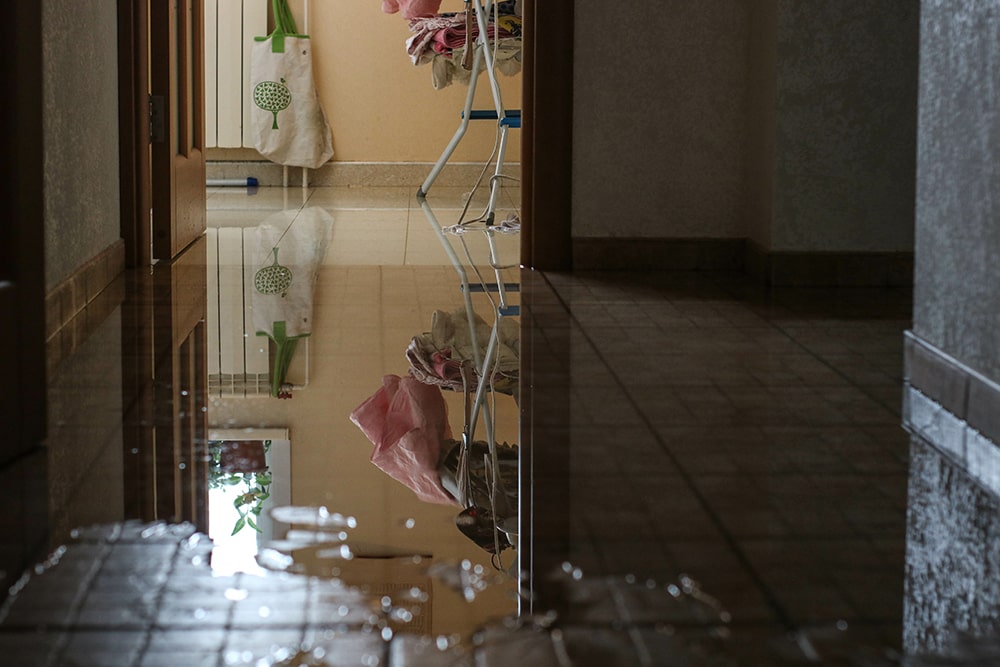
Frozen pipe bursts wreak havoc in Texas

Texas has recently experienced winter weather not seen in ages. Temperatures fell to minus 2 degrees in some of the hardest-hit areas. Power suppliers never prepared to withstand these conditions.  Power outages across the state left almost all Texans to struggle with the cold. The combination of freezing weather and power outages caused plumbing and frozen pipes to burst and damage homes, businesses, schools, and churches.

Texans are strong and will recover but it will take time.  The scale of property damage from this winter event has never been seen before and insurers are struggling to meet the volume of insurance claims coming in.  The queue is long and insureds are having to wait weeks for their insurance company’s first inspection.

If you are a property owner, home, or business, your insurance policy specifies your responsibilities when you have a claim, notify the insurance company of your claim and mitigate the damage.  TAKE PICTURES, SHOOT VIDEOS, KEEP RECEIPTS.  Try to capture the entire state of damage, you can never have too many pictures.  With a backlog of claims, many Texans have had to start moving wet carpets and sheetrock out before their insurer’s first visit.  Ask your carrier if there are any specific requests they have to document the damage during remediation.

All insureds’ policies are unique but are derived from the same general forms approved by the Texas Department of Insurance.  Each carrier has its own name for each of the forms and variations of the same.  Most of these are “all-risk” or “named peril.”  If you don’t have an “all-risk” policy, your agent would have discussed other options which may include the accidental discharge of water or the option to add accidental discharge of water to your policy.  Read this section and be familiar with the terms; make sure the adjustment of your claim complies with those terms. Make certain to document everything. Here are some good guidelines to plan for filing your insurance claim:

  • Start a journal documenting your insurance claim that includes dates, conversations, names, and contact information related to your insurance claim
  • Collect receipts showing payment for damaged property.
  • Collect evidence of loss and store it in a safe place.
  • Take pictures and videos of the property damage.
  • Get your insurance claim submitted on time.

For more tips visit: findlaw.com

SHOULD I HIRE AN INSURANCE ATTORNEY?

If you think your insurance policy covers your loss and your insurer doesn’t, or if you feel the damage you sustained is far more than what your insurance company compensates you for, or if your carrier neglected your claim altogether, then the Texas Insurance Code allows recovery of “actual damages, plus court costs and reasonable attorney’s fees” and if the insurer acted in bad faith you may pursue an award of up to “three times the number of actual damages.”

If you’re unsure of whether or not your situation warrants filing a claim against your homeowner’s insurance company, contact us. Free consultation. No recovery equals no fee.