citizens property insurance

Citizens Property Insurance Under Fire after Hurricane Debby

On August 5, 2024, Hurricane Debby made landfall in Florida, bringing 99 mph winds, a 6-foot storm surge, and dozens of tornadoes. The storm caused extensive flooding and wind damage, leaving thousands of homes and businesses demolished and tragically resulting in eight fatalities.

Why are claims being denied?

Citizens Property Insurance, Florida’s largest insurer with over 1.2 million policies, denied 77% of claims related to Hurricane Debby. According to Newsweek, Citizens spokesperson Michael Peltier explained:

“That area received minimal wind damage but significant flood/surge damage. Since surge and flood are excluded, most of the claims have been denied or closed with no payment” (Newsweek, 2024).

Flood damage, not covered under standard property insurance, forces many homeowners without flood insurance to rely on FEMA grants for financial support.

How does this impact Florida homeowners?

The effects of Hurricane Debby highlight ongoing challenges in Florida’s insurance market. While Citizens is designed as a “last-resort” insurer, its high denial rates leave many policyholders struggling with repair costs. U.S. Senator Sheldon Whitehouse has raised concerns about the company’s financial stability, warning:

“Citizens is potentially one catastrophic storm or storm season away from losses that exceed its immediate ability to pay by billions” (Newsweek, 2024).

Floridians face rising premiums, limited coverage options, and uncertainty about their insurance claims. The state’s insurance crisis underscores the importance of understanding policy limitations and exploring flood insurance as an additional safeguard.

Source: Newsweek, Florida’s Largest Insurer Denies Hurricane Debby Claims, 2024. Read the full article here.

Pirate Day blog post

On September 19th, we celebrate International Talk Like a Pirate Day—a fun reminder of the days when treasure, ships, and the high seas ruled the world. But did you know that modern property insurance can trace its roots back to the dangerous days of piracy?

Early Beginnings: Hammurabi 

The early days of insurance were born out of necessity on treacherous waters. The origins of insurance can be traced back to ancient Babylonian times, as early as 1750 B.C.! 

The concept of insurance emerged through the Babylonian practice of bottomry, introduced in the Code of Hammurabi. An early form of insurance, bottomry allowed merchants to secure loans against their ship’s cargo. 

To limit their risks, goods would be divided among several ships. This way, even if one vessel fell victim to marauding pirates, the entire shipment wouldn’t be lost. If the cargo was lost at sea—due to piracy or natural disasters—the loan did not have to be repaid. This practice highlighted the need to spread risk across multiple parties to minimize individual loss.

History of insurance Pirates and Property Insurance a cartoon of a ship in the ocean during Ancient Babylon

Medieval Guilds and Group Coverage

In medieval Europe, the guild system offered a different kind of insurance, focusing on craftsmen and their livelihoods. Guild members would pool resources to protect against losses such as theft, fire, or even death. This communal approach to risk management allowed more people to leave farming for trades– ultimately contributing to economic diversification and growth.

a cartoon of a boat in the water

The Role of Lloyd’s of London

As European powers expanded their trade routes to the New World in the 1600s, the high seas became rife with pirates who targeted ships carrying valuable goods such as gold, silver, spices, and tobacco. The risk of losing an entire shipment to pirates was still very much a reality, and this spurred the development of more sophisticated insurance practices.

Lloyd’s of London, originally a humble coffeehouse, became a meeting spot for merchants and shipowners to secure maritime insurance. 

At Lloyd’s, shipowners, merchants, and investors would gather to assess the risks associated with various voyages. They would “underwrite” a portion of the ship’s cargo, meaning they would agree to cover a certain percentage of the losses if the ship were attacked by pirates or succumbed to other dangers. This system allowed merchants to distribute the risk of piracy across multiple investors, making long-distance trade more viable. Thus, the practice of underwriting emerged—shipowners could share the risk with multiple investors, reducing the financial blow of piracy.

It was because of this that Lloyd’s of London became a hub for maritime insurance, particularly in an era when piracy was a constant threat. The ability to spread risk through multiple underwriters not only mitigated the financial impact of piracy but also encouraged the growth of international trade.

Pirate Day Pirate Attack on Property Insurance Ship

The Golden Age of Piracy and Insurance Innovation

Considered the Golden Age of Piracy, the 1650s to the 1730s was a period when pirate attacks reached their peak, particularly in the Caribbean. This era saw the emergence of famous pirates like Blackbeard and Captain Kidd, whose exploits terrorized merchants and shipowners. The high frequency of pirate attacks led to increased demand for insurance, as merchants sought to protect their investments.

Insurance companies responded by creating specialized policies that addressed the unique risks posed by piracy. These policies often included higher premiums and more stringent terms, reflecting the heightened danger of maritime trade during this period. The development of these policies marked a significant advancement in the insurance industry, as insurers began to differentiate between various types of risks and tailor their offerings accordingly.

Legal and Military Responses to Piracy

Governments increased naval patrols and enacted harsh penalties for piracy. However, pirates adapted and endured during this time as well, never making it easy for governments or companies to predict their next move.

The War of Jenkins’ Ear (1739–1748) between Britain and Spain saw a significant increase in piracy, leading to higher insurance premiums for merchants. In response, insurance companies developed more sophisticated methods of risk assessment and began offering policies that specifically covered losses due to piracy.

The Decline of Piracy and the Rise of Modern Insurance

By the mid-18th century, piracy began to decline due to increased naval presence and international cooperation against pirate activities. As the threat of piracy diminished, insurance companies shifted their focus to other emerging risks, such as natural disasters and war. However, the legacy of piracy continued to influence the insurance industry, particularly in the areas of risk assessment and underwriting practices.

The decline of piracy also coincided with the growth of the global insurance market, as companies expanded their offerings to cover a wider range of risks. The principles established during the era of piracy—such as spreading risk and tailoring policies to specific threats—became foundational elements of modern insurance practices.

Ahoy!

The history of insurance is a story of adaptation to ever-present risks, with piracy playing a crucial role in shaping the industry. From the early days of bottomry in ancient Babylon to the sophisticated underwriting practices at Lloyd’s of London, the need to manage the threat of piracy drove significant innovations in insurance. Insurance has evolved from these early maritime practices to become the industry it is today. While they once were for the little guy, it seems today, many insurance companies ARE the pirates. Whether you’re protecting your treasure chest or your home, insurance should ALWAYS have your back!

Progressive Halts Home Insurance


In a significant move affecting Texas homeowners, Progressive Insurance has announced a temporary suspension of offering new homeowners insurance policies in the state. This decision comes on the heels of Hurricane Beryl’s devastation across Houston and raises concerns about the stability of the homeowners insurance market in Texas.

At Chad T. Wilson Law Firm, we understand the challenges that homeowners face when navigating insurance claims, especially during times of crisis. This article aims to provide a comprehensive overview of the situation and offer guidance to those affected.

Progressive’s Decision and Its Implications

Temporary Restriction on New Policies

In a recent letter to shareholders, Progressive Insurance CEO Tricia Griffith stated that the company is “temporarily restricting new homeowners’ business” in Texas. The move is part of a strategic effort to reduce the impact of weather-related volatility on the company’s portfolio.

Focus on Weather-Related Risks

Griffith emphasized the importance of shifting the company’s geographic mix, focusing on growing in states with lower weather risks while reducing exposure in areas more susceptible to catastrophic events like hurricanes and hailstorms.

Impact on Existing Policyholders

While the suspension currently affects new policies, there is concern among existing policyholders about potential non-renewals or premium increases. In Florida, Progressive previously dropped 115,000 policyholders due to similar concerns over natural disasters.

Wind Damage Claims Lawyer

Rising Insurance Costs for Texas Homeowners

Homeowners across Texas are experiencing significant hikes in insurance premiums. Some residents have reported increases from $2,600 to $8,800 within a year, making it increasingly difficult to maintain adequate coverage.

Comparison with National Averages

According to Bankrate, Texas homeowners pay an average of $3,898 for $300,000 in dwelling coverage—72% more than the national average of $2,270. These escalating costs highlight the growing financial strain on Texas residents.

What Is an Insurance Appraiser and What Do They Do?

Other Insurers Following Suit

Progressive is not alone in this trend. Foremost Insurance, a subsidiary of Farmers Insurance, ceased writing and renewing new policies shortly before Hurricane Beryl struck. In communications to customers, the company cited a reassessment of risks related to natural and catastrophic losses.

Potential for a Widening Crisis

The withdrawal of major insurers from the Texas market could exacerbate the homeowners insurance crisis, limiting options for residents and potentially leading to higher rates due to decreased competition.

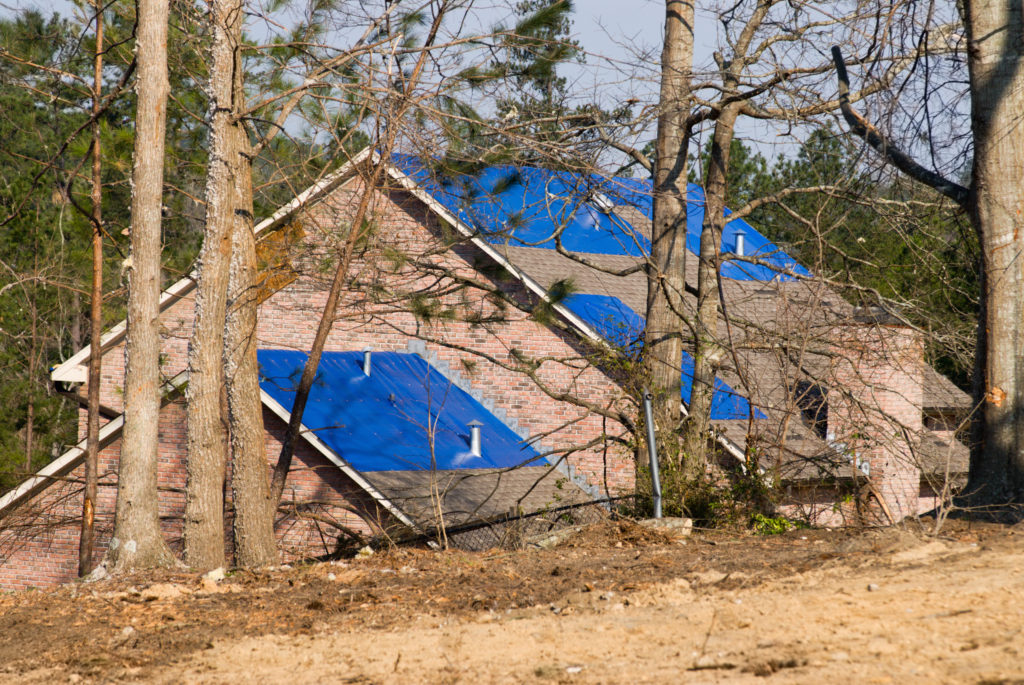
tornado damaged house with a blue tarpaulin on the roof

Options for Texas Homeowners

Texas Fair Plan Association

For those struggling to obtain coverage, the Texas Fair Plan Association (TFPA) offers a lifeline. Established by the Texas Legislature in 1995, TFPA provides basic property insurance for eligible Texas homeowners who are unable to secure coverage through the voluntary market.

Considerations

While TFPA can be a valuable resource, policies may come with limitations and higher premiums. Homeowners should carefully assess their coverage needs and explore all available options.

Insurance Adjusters

Legal Recourse and Support

Understanding Your Rights

If your insurance policy has been non-renewed or you are facing exorbitant premium increases, it’s crucial to understand your legal rights. Insurance companies are obligated to follow state regulations when making such decisions.

How Chad T. Wilson Law Firm Can Help

Our firm specializes in representing policyholders in disputes with insurance companies. We offer:

  • Free Consultation: Assess your situation with no obligation.
  • Expert Representation: Navigate the complexities of insurance law with seasoned professionals.
  • Contingency Basis: No fees unless we secure a recovery on your behalf.

Steps to Take if Affected

  1. Review Your Current Policy: Understand the terms, coverage limits, and any notices of changes or non-renewal.
  2. Explore Alternative Insurance Options: Seek quotes from other reputable insurers still operating in Texas.
  3. Consult with an Attorney: If you believe your rights are being infringed upon, legal advice can provide clarity and direction.
  4. Stay Informed: Monitor communications from your insurer and stay updated on industry developments.

Conclusion

The decision by Progressive Insurance to halt new homeowners policies in Texas underscores the challenges facing the state’s insurance market. As natural disasters become more frequent and severe, homeowners must be proactive in securing adequate coverage and advocating for their rights.

At Chad T. Wilson Law Firm, we are committed to assisting Texas homeowners during these uncertain times. If you have concerns about your insurance coverage or need legal assistance, please reach out to us.

Contact Us Today

Stay Protected. Stay Informed. We’re Here to Help.


Tips For Beryl and Derecho

Tips for 2024 Derecho and Hurricane Beryl Storm Claims


Texas residents and property owners continue to be absorbed in the post-derecho of 2024, and Hurricane Beryl. Navigating the storm of insurance claims can be maddening and confusing. But that’s not surprising when your house or business is damaged or destroyed and you are dealing with property damage and loss. Here’s a brief blog to address the concerns that most Texas citizens will have after going through a tumultuous time and dealing with an insurer or insurers on a claim.

Reviewing Policy for Derecho and Beryl Claims

Whether you have suffered a home covered by your insurance or not, the first thing you want to do with your insurance company is to read – or better yet, have an attorney read – your policy. This is the document that spells out what is and is not covered in the event of windstorms, hail damage, flood damage and other natural disasters that are often a part of a derecho and a hurricane.

  • Make sure there’s no exclusion on the policy for the things you care about – for example, water damage from certain types of plumbing problems or mold.
  • You Live in the Family Home: Did you know that, for a fire-related claim, you must stay in the home and ensure it is habitable? Know Your Deductibles: Did you know that you have to pay deductibles out of pocket before insurance starts paying your claims?

Common Reasons for Claim Delays and Denials

There why an insurance claim might be delayed or denied – none of them absolute nightmare scenarios, but all of them worth knowing about so you can avoid the common traps.

  • Incomplete Documentation:

    One of the most significant causes for delays is incomplete documentation.
    • Submit all required forms and evidence promptly.
    • Keep detailed records, including photos and receipts.
  • Policy Exclusions:

    Policies often contain specific exclusions that can complicate claims.
    • Carefully read the exclusions section to understand what is not covered.
    • Consult with an attorney if you have concerns about the language of your policy.

Handling Disputes with Your Insurance Company

Unfortunately, disagreements over benefits are not uncommon between policyholders and insurers, especially after a widespread disaster has occurred. Here are some things you can do if you find yourself in a dispute.

  • Always request detailed explanations for any denials or reductions of your claim.
  • Ask for an Unbiased Review: Hire an independent appraiser to come in and review what was broken and objectively describe what was damaged.
  • Keep a Timeline: Keep a meticulous timeline of all your interactions and communications with your insurance company.
  • Document Everything: Writing is better than talking, if you get the message in writing.

Legal Recourse

And if everything else fails, filing a lawsuit may be your last resort. The Chad T. Wilson Law Firm represents policyholders in this regard.

When to Contact an Attorney

It’s not easy to know when to contact an attorney, but typically if your claim is significantly delayed, if you are wrongly denied, or if settlements are extremely low, you should consider hiring an attorney.

  • Prolonged Delays:

    If your claim is delayed without reasonable cause.
  • Unfair Denials:

    If you believe your claim has been unjustly denied.

How We Can Help

Our firm, the Chad T Wilson Law Firm, helps policyholders recover the full measure of their recoverable benefits. We are skilled insurance policy specialists and work to make sure you receive the benefits you are owed.

  • Free Consultation:

    We offer a free consultation to evaluate your case.
  • Contingency Basis:

    based on contingency fees – you don’t pay unless we recover a settlement on your behalf.

Steps to Strengthen Your Claim

Here are some things you can do to prepare yourself well in advance to make a stronger case:

  • Photograph Everything:

    Take multiple photographs of the damage from various angles.
  • Secure Temporary Repairs:

    If possible, secure temporary repairs to prevent further damage.
  • Collect Receipts:

    Obtain receipts for temporary repairs and lodging if you need to leave your home.
  • Keep All Communications:

    Save every email, letter, and note related to your claim.
  • Create a Claim Diary:

    A diary keeping track of every step you take and every person you contact can be useful.

Conclusion

Despite the trauma of surviving the 2024 derecho and Hurricane Beryl (and the aftermath of the record-breaking insurance claims), you don’t have to feel that you’re back in the deep end. You can educate yourself about your policy; know what kinds of claims are most commonly denied; and, when needed, work with an attorney.

The Chad T Wilson Law Firm is dedicated to helping Texans rebuild and recover through these trying times. If you find yourself in a fight with your insurance company over a claim, call us today for a free consultation and let us help you get the compensation you deserve.

Learn more about us at cwilsonlaw.com or call 833-942-0678 to schedule a consultation.

Understanding Your Right: What to do when your insurance claim gets denied.

The Insurance Claim Is Denied

If you have property damage, it can be a very stressful situation for you and/or your family. Whether it be from a hurricane or tropical storm or from an accidental event, the last thing that you expect is for your insurer to deny an insurance claim it may owe, and they avoid an obligation they otherwise should pay. The Chad T. Wilson Law Firm represents policyholders and fights insurers that unfairly deny their insureds’ claims. Here’s how to understand your rights when your insurance claim is denied.

Know Why Claims Get Denied

Knowing some of the reasons why the majority of claims are denied will help structure your approach.

  • Policy Exclusions: All policies have certain coverages and certain exclusions. Understanding these may help to discern whether your claim fits into these exclusions.

  • Lack of Evidence: If your claim cannot be proven, then a carrier may deny a claim. Here are some possible rationale for claim denial: Insufficient Documentation: If you can’t substantiate the damage or loss, it won’t be paid for.

Review Your Insurance Policy

In a perfect world, you will have already reviewed your policy whether your claim has been denied or not. In the event your claim IS denied, review your insurance policy in depth. 

  • Understand Your Coverage: Review the specifics of what your policy covers.

  • Limits to Policy: If you know your coverage limits, you’ll be better able to gauge if your claim is too large for your policy.

  • Examine the Exclusions: Be aware of what is explicitly excluded from your policy.

Appeal the Denial

If you believe the claim was unjustly denied, you may have the right to appeal depending on your policy language.

  • Contact your Insurer: Request an explanation of the denial and a statement that the decision can be appealed. Most states require an insurance carrier make formal notice of the determination of your claim.

  • Formal Written Appeal: Submit an appeal as per your policy language. 

  • Collect all of your documentation: photos, repair estimates and copies of your insurance adjuster correspondence.

Consult with a Property Insurance Attorney

If you feel like you are not receiving a fair resolution to your claim, then it may be necessary to contact an attorney to review your claim. At the Chad T Wilson Law Firm we offer free consultations. Our attorneys are insurance coverage specialists who fight insurance companies on behalf of policyholders every day, winning precedent setting cases along the way.

How Chad T. Wilson Law Firm Can Help

  • Background: We are an insurance law firm that specializes in representing insureds against property insurance companies when the insurance company has denied a claim.

  • Recuperation under No Fee Promise: no recovery, No Fees; all cases handled on a contingency basis.

  • Free Case Review: Upon an initial free consultation of your case, we will assess and provide you with guidance and advice regarding your situation.

Practice Areas

The Chad T. Wilson Law Firm represents policyholders in various types of insurance disputes:

Final Thoughts

The refusal of an insurance company to pay out on a claim is an aggravating and frustrating experience. However, policyholders should remember that a denial is not the final answer. If you understand your policy, you can challenge the decision and get legal help to support your position. 

The Chad T. Wilson Law Firm is ready to represent you in your fight with the insurance company. Schedule your free consultation today so that we can help you get the justice you deserve.

Keep in mind: you’re not in this alone. Arm yourself with information, equip yourself with a good attorney team, and you will come out of the claims denied fight victorious.

Is your claim being denied or underpaid? Call Chad T. Wilson Law Firm, PLLC.

Speak with one of our attorney if you’re having trouble getting your claim processed or if the insurance company is attempting to pay less for the claim than is reasonable.

Contact us: https://cwilsonlaw.com/contact-us/ 

Follow us on Social media: https://beacons.ai/chadtwilsonlaw

Contact our office locations to schedule a free consultation.


Chad T. Wilson is an attorney whose firm specializes in property insurance disputes.

Schedule Your
FREE Consultation Today

Do not lose hope if you have filed an insurance claim and were denied or underpaid. Let the Chad T. Wilson Law Firm get justice for you.

Name
What Is the Average Cost of Fixing Hail Damage to Your Roof?

Structural Integrity: A damaged roof can compromise the structural integrity of your property. If left unrepaired, even minor damage can worsen over time, potentially leading to more extensive structural issues.

Water Damage: One of the most common problems associated with roof damage is water leakage. Holes, cracks, or missing shingles can allow water to seep into the attic, ceilings, walls, and other structural components of your property. This water infiltration can lead to rotting wood, mold growth, and damage to insulation, drywall, and electrical systems.

Decreased Energy Efficiency: A damaged roof may result in poor insulation and ventilation, leading to increased energy consumption and higher utility bills. Gaps in the roof can allow heated or cooled air to escape, forcing your HVAC system to work harder to maintain a comfortable indoor temperature.

Pest Infestation: Holes or openings in the roof can provide entry points for pests such as birds, rodents, insects, and other unwanted critters. Once inside, these pests can cause further damage to your property and pose health risks to occupants.

Decreased Property Value: Roof damage can detract from the aesthetic appeal and overall value of your property. Potential buyers may view a damaged roof as a red flag and either negotiate a lower price or choose to look elsewhere, impacting your ability to sell the property at a desirable price.

Safety Hazards: Loose or damaged roofing materials can pose safety hazards to occupants and visitors. For example, loose shingles or tiles may fall off and cause injury to individuals below, especially during windy conditions.

Insurance Issues: If roof damage leads to other problems such as water damage or mold growth, your insurance company may be less likely to cover the costs if they determine that the damage resulted from neglect or lack of proper maintenance. It’s important to address roof damage promptly to avoid potential disputes with your insurance provider.

Overall, addressing roof damage promptly through regular inspections, maintenance, and timely repairs is essential for preserving the integrity, safety, and value of your property.

When should I hire a property insurance attorney for hail damage on my roof?

In the following cases, you should think about contacting a property insurance lawyer regarding hail damage to your roof:

Denied Claim: It could be a good idea to get legal counsel if your insurance provider rejects your claim for hail damage to your roof. After reviewing the denial, a lawyer can determine if you have a case for an appeal or other legal action.

Underpaid Claim: An attorney can negotiate on your behalf or take legal action to seek just compensation if your insurance carrier offers a settlement that you feel is insufficient to pay for the expense of fixing or replacing your roof.

Complex Claims: An attorney with experience in property insurance law can be very helpful if your claim involves complex issues, including conflicts over the level of damage, policy coverage, or the insurance company’s assessment.

Bad Faith Practices: An attorney can look into the matter and fight for your rights if you believe that your insurance company is acting unfairly by refusing or postponing your claim. If required, they may also take the insurer to court.

Policy Interpretation: Insurance plans can be confusing, and there may be room for interpretation when it comes to the wording about coverage for hail damage. A lawyer can examine your policy, clarify the alternatives you have for coverage, and suggest the best line of action for you.

Litigation Representation: If your case goes to trial, a property insurance law specialist can represent you in court and try to get the best result possible out of your case.

If you need help resolving complicated issues, need counsel in court, or have problems with your insurance company, consulting The Chad T. Wilson Law Firm for hail damage on your roof will be a major advantage.

Is your claim being denied or underpaid? Call Chad T. Wilson Law Firm, PLLC.

Speak with one of our attorney if you’re having trouble getting your claim processed or if the insurance company is attempting to pay less for the claim than is reasonable.

Contact us: https://cwilsonlaw.com/contact-us/ 

Learn more about our attorneys:
https://cwilsonlaw.com/meet-the-team-chad-t-wilson-law-firm-pllc-insurance-attorney/

Follow us on Social media:
https://beacons.ai/chadtwilsonlaw

Contact our Chad T. Wilson Law Firm Office Locations to Schedule a free Consultation.


Chad T. Wilson is an attorney whose firm specializes in property insurance disputes.

Written By:
Alejandro Caro

Schedule a free Consultation

Yes, hail damage to your roof, along with any other structures on your property, should be covered by your homeowner’s insurance policy. In addition, hail damage to windows, siding, gutters, and exterior hardscaping should be covered by your policy. Furthermore, “other structures” may be covered separately for hail damage under some policies.

It is crucial to take action if you have roof damage on your property as soon as possible. Ignoring such damage can lead to:

Structural Integrity: A damaged roof can compromise the structural integrity of your property. If left unrepaired, even minor damage can worsen over time, potentially leading to more extensive structural issues.

Water Damage: One of the most common problems associated with roof damage is water leakage. Holes, cracks, or missing shingles can allow water to seep into the attic, ceilings, walls, and other structural components of your property. This water infiltration can lead to rotting wood, mold growth, and damage to insulation, drywall, and electrical systems.

Decreased Energy Efficiency: A damaged roof may result in poor insulation and ventilation, leading to increased energy consumption and higher utility bills. Gaps in the roof can allow heated or cooled air to escape, forcing your HVAC system to work harder to maintain a comfortable indoor temperature.

Pest Infestation: Holes or openings in the roof can provide entry points for pests such as birds, rodents, insects, and other unwanted critters. Once inside, these pests can cause further damage to your property and pose health risks to occupants.

Decreased Property Value: Roof damage can detract from the aesthetic appeal and overall value of your property. Potential buyers may view a damaged roof as a red flag and either negotiate a lower price or choose to look elsewhere, impacting your ability to sell the property at a desirable price.

Safety Hazards: Loose or damaged roofing materials can pose safety hazards to occupants and visitors. For example, loose shingles or tiles may fall off and cause injury to individuals below, especially during windy conditions.

Insurance Issues: If roof damage leads to other problems such as water damage or mold growth, your insurance company may be less likely to cover the costs if they determine that the damage resulted from neglect or lack of proper maintenance. It’s important to address roof damage promptly to avoid potential disputes with your insurance provider.

Overall, addressing roof damage promptly through regular inspections, maintenance, and timely repairs is essential for preserving the integrity, safety, and value of your property.

When should I hire a property insurance attorney for hail damage on my roof?

In the following cases, you should think about contacting a property insurance lawyer regarding hail damage to your roof:

Denied Claim: It could be a good idea to get legal counsel if your insurance provider rejects your claim for hail damage to your roof. After reviewing the denial, a lawyer can determine if you have a case for an appeal or other legal action.

Underpaid Claim: An attorney can negotiate on your behalf or take legal action to seek just compensation if your insurance carrier offers a settlement that you feel is insufficient to pay for the expense of fixing or replacing your roof.

Complex Claims: An attorney with experience in property insurance law can be very helpful if your claim involves complex issues, including conflicts over the level of damage, policy coverage, or the insurance company’s assessment.

Bad Faith Practices: An attorney can look into the matter and fight for your rights if you believe that your insurance company is acting unfairly by refusing or postponing your claim. If required, they may also take the insurer to court.

Policy Interpretation: Insurance plans can be confusing, and there may be room for interpretation when it comes to the wording about coverage for hail damage. A lawyer can examine your policy, clarify the alternatives you have for coverage, and suggest the best line of action for you.

Litigation Representation: If your case goes to trial, a property insurance law specialist can represent you in court and try to get the best result possible out of your case.

If you need help resolving complicated issues, need counsel in court, or have problems with your insurance company, consulting The Chad T. Wilson Law Firm for hail damage on your roof will be a major advantage.

Is your claim being denied or underpaid? Call Chad T. Wilson Law Firm, PLLC.

Speak with one of our attorney if you’re having trouble getting your claim processed or if the insurance company is attempting to pay less for the claim than is reasonable.

Contact us: https://cwilsonlaw.com/contact-us/ 

Learn more about our attorneys:
https://cwilsonlaw.com/meet-the-team-chad-t-wilson-law-firm-pllc-insurance-attorney/

Follow us on Social media:
https://beacons.ai/chadtwilsonlaw

Contact our Chad T. Wilson Law Firm Office Locations to Schedule a free Consultation.


Chad T. Wilson is an attorney whose firm specializes in property insurance disputes.

Written By:
Alejandro Caro

Schedule a free Consultation

The level of the damage, the size of the roof, the materials used in the roof’s construction, the insurance policy coverage, the deductible amounts, and the location of the property are some of the factors that can affect the typical insurance payment for hail damage to a roof.

But insurance benefits for hail damage to a roof usually run from a few hundred to several thousand dollars, to give you an idea. Payouts may reach several thousand dollars or even tens of thousands of dollars in extreme situations if the harm is extensive.

Does hail damage get covered by home insurance?

Yes, hail damage to your roof, along with any other structures on your property, should be covered by your homeowner’s insurance policy. In addition, hail damage to windows, siding, gutters, and exterior hardscaping should be covered by your policy. Furthermore, “other structures” may be covered separately for hail damage under some policies.

It is crucial to take action if you have roof damage on your property as soon as possible. Ignoring such damage can lead to:

Structural Integrity: A damaged roof can compromise the structural integrity of your property. If left unrepaired, even minor damage can worsen over time, potentially leading to more extensive structural issues.

Water Damage: One of the most common problems associated with roof damage is water leakage. Holes, cracks, or missing shingles can allow water to seep into the attic, ceilings, walls, and other structural components of your property. This water infiltration can lead to rotting wood, mold growth, and damage to insulation, drywall, and electrical systems.

Decreased Energy Efficiency: A damaged roof may result in poor insulation and ventilation, leading to increased energy consumption and higher utility bills. Gaps in the roof can allow heated or cooled air to escape, forcing your HVAC system to work harder to maintain a comfortable indoor temperature.

Pest Infestation: Holes or openings in the roof can provide entry points for pests such as birds, rodents, insects, and other unwanted critters. Once inside, these pests can cause further damage to your property and pose health risks to occupants.

Decreased Property Value: Roof damage can detract from the aesthetic appeal and overall value of your property. Potential buyers may view a damaged roof as a red flag and either negotiate a lower price or choose to look elsewhere, impacting your ability to sell the property at a desirable price.

Safety Hazards: Loose or damaged roofing materials can pose safety hazards to occupants and visitors. For example, loose shingles or tiles may fall off and cause injury to individuals below, especially during windy conditions.

Insurance Issues: If roof damage leads to other problems such as water damage or mold growth, your insurance company may be less likely to cover the costs if they determine that the damage resulted from neglect or lack of proper maintenance. It’s important to address roof damage promptly to avoid potential disputes with your insurance provider.

Overall, addressing roof damage promptly through regular inspections, maintenance, and timely repairs is essential for preserving the integrity, safety, and value of your property.

When should I hire a property insurance attorney for hail damage on my roof?

In the following cases, you should think about contacting a property insurance lawyer regarding hail damage to your roof:

Denied Claim: It could be a good idea to get legal counsel if your insurance provider rejects your claim for hail damage to your roof. After reviewing the denial, a lawyer can determine if you have a case for an appeal or other legal action.

Underpaid Claim: An attorney can negotiate on your behalf or take legal action to seek just compensation if your insurance carrier offers a settlement that you feel is insufficient to pay for the expense of fixing or replacing your roof.

Complex Claims: An attorney with experience in property insurance law can be very helpful if your claim involves complex issues, including conflicts over the level of damage, policy coverage, or the insurance company’s assessment.

Bad Faith Practices: An attorney can look into the matter and fight for your rights if you believe that your insurance company is acting unfairly by refusing or postponing your claim. If required, they may also take the insurer to court.

Policy Interpretation: Insurance plans can be confusing, and there may be room for interpretation when it comes to the wording about coverage for hail damage. A lawyer can examine your policy, clarify the alternatives you have for coverage, and suggest the best line of action for you.

Litigation Representation: If your case goes to trial, a property insurance law specialist can represent you in court and try to get the best result possible out of your case.

If you need help resolving complicated issues, need counsel in court, or have problems with your insurance company, consulting The Chad T. Wilson Law Firm for hail damage on your roof will be a major advantage.

Is your claim being denied or underpaid? Call Chad T. Wilson Law Firm, PLLC.

Speak with one of our attorney if you’re having trouble getting your claim processed or if the insurance company is attempting to pay less for the claim than is reasonable.

Contact us: https://cwilsonlaw.com/contact-us/ 

Learn more about our attorneys:
https://cwilsonlaw.com/meet-the-team-chad-t-wilson-law-firm-pllc-insurance-attorney/

Follow us on Social media:
https://beacons.ai/chadtwilsonlaw

Contact our Chad T. Wilson Law Firm Office Locations to Schedule a free Consultation.


Chad T. Wilson is an attorney whose firm specializes in property insurance disputes.

Written By:
Alejandro Caro

Schedule a free Consultation

Roof damage can pose several significant problems to your property. Depending on the extent of the damage, hail-damaged roof repair can cost anywhere from $300 to $32,500, with an average of $4,250 (2024). Golf-ball-sized hail can cause issues, but most hail is too small to seriously harm a roof that has been constructed correctly.

While small dents and dings might only need cosmetic repairs, punctures should be fixed immediately since they could expose the roof’s structure to water damage. We’ll go over major and small repair costs as well as how much your insurance will likely pay below.

The level of the damage, the size of the roof, the materials used in the roof’s construction, the insurance policy coverage, the deductible amounts, and the location of the property are some of the factors that can affect the typical insurance payment for hail damage to a roof.

But insurance benefits for hail damage to a roof usually run from a few hundred to several thousand dollars, to give you an idea. Payouts may reach several thousand dollars or even tens of thousands of dollars in extreme situations if the harm is extensive.

Does hail damage get covered by home insurance?

Yes, hail damage to your roof, along with any other structures on your property, should be covered by your homeowner’s insurance policy. In addition, hail damage to windows, siding, gutters, and exterior hardscaping should be covered by your policy. Furthermore, “other structures” may be covered separately for hail damage under some policies.

It is crucial to take action if you have roof damage on your property as soon as possible. Ignoring such damage can lead to:

Structural Integrity: A damaged roof can compromise the structural integrity of your property. If left unrepaired, even minor damage can worsen over time, potentially leading to more extensive structural issues.

Water Damage: One of the most common problems associated with roof damage is water leakage. Holes, cracks, or missing shingles can allow water to seep into the attic, ceilings, walls, and other structural components of your property. This water infiltration can lead to rotting wood, mold growth, and damage to insulation, drywall, and electrical systems.

Decreased Energy Efficiency: A damaged roof may result in poor insulation and ventilation, leading to increased energy consumption and higher utility bills. Gaps in the roof can allow heated or cooled air to escape, forcing your HVAC system to work harder to maintain a comfortable indoor temperature.

Pest Infestation: Holes or openings in the roof can provide entry points for pests such as birds, rodents, insects, and other unwanted critters. Once inside, these pests can cause further damage to your property and pose health risks to occupants.

Decreased Property Value: Roof damage can detract from the aesthetic appeal and overall value of your property. Potential buyers may view a damaged roof as a red flag and either negotiate a lower price or choose to look elsewhere, impacting your ability to sell the property at a desirable price.

Safety Hazards: Loose or damaged roofing materials can pose safety hazards to occupants and visitors. For example, loose shingles or tiles may fall off and cause injury to individuals below, especially during windy conditions.

Insurance Issues: If roof damage leads to other problems such as water damage or mold growth, your insurance company may be less likely to cover the costs if they determine that the damage resulted from neglect or lack of proper maintenance. It’s important to address roof damage promptly to avoid potential disputes with your insurance provider.

Overall, addressing roof damage promptly through regular inspections, maintenance, and timely repairs is essential for preserving the integrity, safety, and value of your property.

When should I hire a property insurance attorney for hail damage on my roof?

In the following cases, you should think about contacting a property insurance lawyer regarding hail damage to your roof:

Denied Claim: It could be a good idea to get legal counsel if your insurance provider rejects your claim for hail damage to your roof. After reviewing the denial, a lawyer can determine if you have a case for an appeal or other legal action.

Underpaid Claim: An attorney can negotiate on your behalf or take legal action to seek just compensation if your insurance carrier offers a settlement that you feel is insufficient to pay for the expense of fixing or replacing your roof.

Complex Claims: An attorney with experience in property insurance law can be very helpful if your claim involves complex issues, including conflicts over the level of damage, policy coverage, or the insurance company’s assessment.

Bad Faith Practices: An attorney can look into the matter and fight for your rights if you believe that your insurance company is acting unfairly by refusing or postponing your claim. If required, they may also take the insurer to court.

Policy Interpretation: Insurance plans can be confusing, and there may be room for interpretation when it comes to the wording about coverage for hail damage. A lawyer can examine your policy, clarify the alternatives you have for coverage, and suggest the best line of action for you.

Litigation Representation: If your case goes to trial, a property insurance law specialist can represent you in court and try to get the best result possible out of your case.

If you need help resolving complicated issues, need counsel in court, or have problems with your insurance company, consulting The Chad T. Wilson Law Firm for hail damage on your roof will be a major advantage.

Is your claim being denied or underpaid? Call Chad T. Wilson Law Firm, PLLC.

Speak with one of our attorney if you’re having trouble getting your claim processed or if the insurance company is attempting to pay less for the claim than is reasonable.

Contact us: https://cwilsonlaw.com/contact-us/ 

Learn more about our attorneys:
https://cwilsonlaw.com/meet-the-team-chad-t-wilson-law-firm-pllc-insurance-attorney/

Follow us on Social media:
https://beacons.ai/chadtwilsonlaw

Contact our Chad T. Wilson Law Firm Office Locations to Schedule a free Consultation.


Chad T. Wilson is an attorney whose firm specializes in property insurance disputes.

Written By:
Alejandro Caro

Schedule a free Consultation

Chad T. Wilson – What Is the Average Cost of Fixing Hail Damage to Your Roof? (2024)
April, 9th 2024
Updated: April, 9th 2024 –12:40 p.m.
Source: https://cwilsonlaw.com/
https://www.angi.com/articles/how-much-repair-roof-hail-damage-cost.htm

What Is the Average Cost of Fixing Hail Damage to Your Roof?

What Is the Average Cost of Fixing Hail Damage to Your Roof?

Roof damage can pose several significant problems to your property. Depending on the extent of the damage, hail-damaged roof repair can cost anywhere from $300 to $32,500, with an average of $4,250 (2024). Golf-ball-sized hail can cause issues, but most hail is too small to seriously harm a roof that has been constructed correctly.

While small dents and dings might only need cosmetic repairs, punctures should be fixed immediately since they could expose the roof’s structure to water damage. We’ll go over major and small repair costs as well as how much your insurance will likely pay below.

The level of the damage, the size of the roof, the materials used in the roof’s construction, the insurance policy coverage, the deductible amounts, and the location of the property are some of the factors that can affect the typical insurance payment for hail damage to a roof.

But insurance benefits for hail damage to a roof usually run from a few hundred to several thousand dollars, to give you an idea. Payouts may reach several thousand dollars or even tens of thousands of dollars in extreme situations if the harm is extensive.

Does hail damage get covered by home insurance?

Yes, hail damage to your roof, along with any other structures on your property, should be covered by your homeowner’s insurance policy. In addition, hail damage to windows, siding, gutters, and exterior hardscaping should be covered by your policy. Furthermore, “other structures” may be covered separately for hail damage under some policies.

It is crucial to take action if you have roof damage on your property as soon as possible. Ignoring such damage can lead to:

Structural Integrity: A damaged roof can compromise the structural integrity of your property. If left unrepaired, even minor damage can worsen over time, potentially leading to more extensive structural issues.

Water Damage: One of the most common problems associated with roof damage is water leakage. Holes, cracks, or missing shingles can allow water to seep into the attic, ceilings, walls, and other structural components of your property. This water infiltration can lead to rotting wood, mold growth, and damage to insulation, drywall, and electrical systems.

Decreased Energy Efficiency: A damaged roof may result in poor insulation and ventilation, leading to increased energy consumption and higher utility bills. Gaps in the roof can allow heated or cooled air to escape, forcing your HVAC system to work harder to maintain a comfortable indoor temperature.

Pest Infestation: Holes or openings in the roof can provide entry points for pests such as birds, rodents, insects, and other unwanted critters. Once inside, these pests can cause further damage to your property and pose health risks to occupants.

Decreased Property Value: Roof damage can detract from the aesthetic appeal and overall value of your property. Potential buyers may view a damaged roof as a red flag and either negotiate a lower price or choose to look elsewhere, impacting your ability to sell the property at a desirable price.

Safety Hazards: Loose or damaged roofing materials can pose safety hazards to occupants and visitors. For example, loose shingles or tiles may fall off and cause injury to individuals below, especially during windy conditions.

Insurance Issues: If roof damage leads to other problems such as water damage or mold growth, your insurance company may be less likely to cover the costs if they determine that the damage resulted from neglect or lack of proper maintenance. It’s important to address roof damage promptly to avoid potential disputes with your insurance provider.

Overall, addressing roof damage promptly through regular inspections, maintenance, and timely repairs is essential for preserving the integrity, safety, and value of your property.

When should I hire a property insurance attorney for hail damage on my roof?

In the following cases, you should think about contacting a property insurance lawyer regarding hail damage to your roof:

Denied Claim: It could be a good idea to get legal counsel if your insurance provider rejects your claim for hail damage to your roof. After reviewing the denial, a lawyer can determine if you have a case for an appeal or other legal action.

Underpaid Claim: An attorney can negotiate on your behalf or take legal action to seek just compensation if your insurance carrier offers a settlement that you feel is insufficient to pay for the expense of fixing or replacing your roof.

Complex Claims: An attorney with experience in property insurance law can be very helpful if your claim involves complex issues, including conflicts over the level of damage, policy coverage, or the insurance company’s assessment.

Bad Faith Practices: An attorney can look into the matter and fight for your rights if you believe that your insurance company is acting unfairly by refusing or postponing your claim. If required, they may also take the insurer to court.

Policy Interpretation: Insurance plans can be confusing, and there may be room for interpretation when it comes to the wording about coverage for hail damage. A lawyer can examine your policy, clarify the alternatives you have for coverage, and suggest the best line of action for you.

Litigation Representation: If your case goes to trial, a property insurance law specialist can represent you in court and try to get the best result possible out of your case.

If you need help resolving complicated issues, need counsel in court, or have problems with your insurance company, consulting The Chad T. Wilson Law Firm for hail damage on your roof will be a major advantage.

Is your claim being denied or underpaid? Call Chad T. Wilson Law Firm, PLLC.

Speak with one of our attorney if you’re having trouble getting your claim processed or if the insurance company is attempting to pay less for the claim than is reasonable.

Contact us: https://cwilsonlaw.com/contact-us/ 

Learn more about our attorneys:
https://cwilsonlaw.com/meet-the-team-chad-t-wilson-law-firm-pllc-insurance-attorney/

Follow us on Social media:
https://beacons.ai/chadtwilsonlaw

Contact our Chad T. Wilson Law Firm Office Locations to Schedule a free Consultation.


Chad T. Wilson is an attorney whose firm specializes in property insurance disputes.

Written By:
Alejandro Caro

Schedule a free Consultation

Chad T. Wilson – What Is the Average Cost of Fixing Hail Damage to Your Roof? (2024)
April, 9th 2024
Updated: April, 9th 2024 –12:40 p.m.
Source: https://cwilsonlaw.com/
https://www.angi.com/articles/how-much-repair-roof-hail-damage-cost.htm

What Is the Average Cost of Fixing Hail Damage to Your Roof?

What Is the Average Cost of Fixing Hail Damage to Your Roof?

Roof damage can pose several significant problems to your property. Depending on the extent of the damage, hail-damaged roof repair can cost anywhere from $300 to $32,500, with an average of $4,250 (2024). Golf-ball-sized hail can cause issues, but most hail is too small to seriously harm a roof that has been constructed correctly.

While small dents and dings might only need cosmetic repairs, punctures should be fixed immediately since they could expose the roof’s structure to water damage. We’ll go over major and small repair costs as well as how much your insurance will likely pay below.

The level of the damage, the size of the roof, the materials used in the roof’s construction, the insurance policy coverage, the deductible amounts, and the location of the property are some of the factors that can affect the typical insurance payment for hail damage to a roof.

But insurance benefits for hail damage to a roof usually run from a few hundred to several thousand dollars, to give you an idea. Payouts may reach several thousand dollars or even tens of thousands of dollars in extreme situations if the harm is extensive.

Does hail damage get covered by home insurance?

Yes, hail damage to your roof, along with any other structures on your property, should be covered by your homeowner’s insurance policy. In addition, hail damage to windows, siding, gutters, and exterior hardscaping should be covered by your policy. Furthermore, “other structures” may be covered separately for hail damage under some policies.

It is crucial to take action if you have roof damage on your property as soon as possible. Ignoring such damage can lead to:

Structural Integrity: A damaged roof can compromise the structural integrity of your property. If left unrepaired, even minor damage can worsen over time, potentially leading to more extensive structural issues.

Water Damage: One of the most common problems associated with roof damage is water leakage. Holes, cracks, or missing shingles can allow water to seep into the attic, ceilings, walls, and other structural components of your property. This water infiltration can lead to rotting wood, mold growth, and damage to insulation, drywall, and electrical systems.

Decreased Energy Efficiency: A damaged roof may result in poor insulation and ventilation, leading to increased energy consumption and higher utility bills. Gaps in the roof can allow heated or cooled air to escape, forcing your HVAC system to work harder to maintain a comfortable indoor temperature.

Pest Infestation: Holes or openings in the roof can provide entry points for pests such as birds, rodents, insects, and other unwanted critters. Once inside, these pests can cause further damage to your property and pose health risks to occupants.

Decreased Property Value: Roof damage can detract from the aesthetic appeal and overall value of your property. Potential buyers may view a damaged roof as a red flag and either negotiate a lower price or choose to look elsewhere, impacting your ability to sell the property at a desirable price.

Safety Hazards: Loose or damaged roofing materials can pose safety hazards to occupants and visitors. For example, loose shingles or tiles may fall off and cause injury to individuals below, especially during windy conditions.

Insurance Issues: If roof damage leads to other problems such as water damage or mold growth, your insurance company may be less likely to cover the costs if they determine that the damage resulted from neglect or lack of proper maintenance. It’s important to address roof damage promptly to avoid potential disputes with your insurance provider.

Overall, addressing roof damage promptly through regular inspections, maintenance, and timely repairs is essential for preserving the integrity, safety, and value of your property.

When should I hire a property insurance attorney for hail damage on my roof?

In the following cases, you should think about contacting a property insurance lawyer regarding hail damage to your roof:

Denied Claim: It could be a good idea to get legal counsel if your insurance provider rejects your claim for hail damage to your roof. After reviewing the denial, a lawyer can determine if you have a case for an appeal or other legal action.

Underpaid Claim: An attorney can negotiate on your behalf or take legal action to seek just compensation if your insurance carrier offers a settlement that you feel is insufficient to pay for the expense of fixing or replacing your roof.

Complex Claims: An attorney with experience in property insurance law can be very helpful if your claim involves complex issues, including conflicts over the level of damage, policy coverage, or the insurance company’s assessment.

Bad Faith Practices: An attorney can look into the matter and fight for your rights if you believe that your insurance company is acting unfairly by refusing or postponing your claim. If required, they may also take the insurer to court.

Policy Interpretation: Insurance plans can be confusing, and there may be room for interpretation when it comes to the wording about coverage for hail damage. A lawyer can examine your policy, clarify the alternatives you have for coverage, and suggest the best line of action for you.

Litigation Representation: If your case goes to trial, a property insurance law specialist can represent you in court and try to get the best result possible out of your case.

If you need help resolving complicated issues, need counsel in court, or have problems with your insurance company, consulting The Chad T. Wilson Law Firm for hail damage on your roof will be a major advantage.

Is your claim being denied or underpaid? Call Chad T. Wilson Law Firm, PLLC.

Speak with one of our attorney if you’re having trouble getting your claim processed or if the insurance company is attempting to pay less for the claim than is reasonable.

Contact us: https://cwilsonlaw.com/contact-us/ 

Learn more about our attorneys:
https://cwilsonlaw.com/meet-the-team-chad-t-wilson-law-firm-pllc-insurance-attorney/

Follow us on Social media:
https://beacons.ai/chadtwilsonlaw

Contact our Chad T. Wilson Law Firm Office Locations to Schedule a free Consultation.


Chad T. Wilson is an attorney whose firm specializes in property insurance disputes.

Written By:
Alejandro Caro

Schedule a free Consultation
Most common types of windstorm damage claims
Chad T. Wilson – Blogs and Resources March, 22nd 2024 Updated: March, 22nd 2024 –12:30 p.m. Source: https://cwilsonlaw.com/ Most common types of windstorm damage claims

What are the most common types of windstorm damage claims?

Windstorms can cause damage to property in a number of ways and can take many different forms, from gentle breezes to strong hurricanes and tornadoes.

These windstorms have the potential to cause a variety of property damages, such as:

Damage to landscape:

Strong winds have the power to uproot vegetation, knock down trees, and disperse debris, which can harm landscape both aesthetically and monetarily.

Damage to Roofing Components:

Strong winds have the ability to lift tiles, shingles, or other roofing components, which can cause leaks, structural damage, and possibly even interior water damage.

Damage to Sidings:

Powerful winds have the ability to rip off or loosen siding components, such as aluminum, wood, or vinyl siding, leaving the underlying structure vulnerable to possible harm.

Broken Windows:

Windows can be broken by flying debris or, by direct impact from powerful gusts. This can result in possible water damage, security problems, and heightened susceptibility to more wind damage.

Trees and Branches:

Trees or large branches can fall onto buildings, vehicles, or other structures during windstorms, causing significant damage to roofs, windows, siding, and other property components.

Structural Damage:

Severe windstorms may cause structural damage to buildings, including wall collapse, damage to support beams, or compromised foundations.

Water Damage:

Wind-driven rain can infiltrate buildings through damaged roofing, siding, windows, or doors, leading to water damage to walls, ceilings, floors, and personal belongings.

Damage to Outdoor Structures:

Windstorms can also damage outdoor structures such as sheds, fences, pergolas, and decks, compromising their structural integrity and functionality.

Power Outages:

Windstorms often cause power outages due to downed power lines, fallen trees on power lines, or damage to electrical infrastructure, leading to inconvenience and potential property damage if backup systems fail.

Damage to Vehicles:

Windstorms can cause damage to vehicles parked outdoors, including dents, scratches, broken windows, and more severe damage if struck by falling trees or debris.

Business Interruption:

Windstorms may disrupt business operations due to property damage, power outages, or safety concerns, resulting in lost revenue and additional expenses for repairs and recovery efforts.

Flying Debris:

In strong gusts, projectiles like garbage cans, signs, and other things can go airborne and endanger both personal safety and property.

Flooding Damage:

Windstorms can result in storm surges or floods in coastal locations or areas that frequently see severe rainfall, which can seriously damage properties with water.

Is your claim being denied or underpaid? Call Chad T. Wilson Law Firm, PLLC.

Speak with one of our attorney if you’re having trouble getting your claim processed or if the insurance company is attempting to pay less for the claim than is reasonable. Contact us: https://cwilsonlaw.com/contact-us/  Learn more about our attorneys: https://cwilsonlaw.com/meet-the-team-chad-t-wilson-law-firm-pllc-insurance-attorney/ Follow us on Social media: https://beacons.ai/chadtwilsonlaw
Types-of-Hail-Damage-Claims

Chad T. Wilson – Blogs and Resources
February, 27th 2024
Updated: February, 27th 2024 12:30 p.m.
Source: https://cwilsonlaw.com/

Types-of-Hail-Damage-Claims

What are the most common types of hail damage claims?

Hailstorms can cause various types of property damage, leading to property insurance claims. The most common types of hail damage claims include:

It’s crucial to file a property hail insurance claim for a number of reasons:

  • Financial Protection: Your property, including cars, windows, siding, and roofs, may sustain major damage from hailstorms. You can pursue financial reimbursement for the repair or replacement of the damaged items by submitting an insurance claim. If you didn’t have insurance, you would have to pay for these things yourself.
  • Risk Mitigation: Insurance is a tool for risk transfer, or risk mitigation. You shift the financial risk of hail damage to the insurance provider by purchasing hail insurance. This guarantees that you may recover from the losses brought on by the hailstorm and helps safeguard your financial stability.
  • Policyholder’s Rights: If hail damage is covered by a current insurance policy, you are entitled to make a claim and be compensated in accordance with the terms of your policy. Making a claim is a requirement of the contract between you and the insurance company, and insurance companies are required to honor legitimate claims.
  • Preserving the Value of the Property: After a hailstorm, prompt repairs can help preserve the value of your property and stop additional damage. Ignoring hail damage and waiting to fix it could eventually result in more complex and expensive repairs.
  • Legal and commercial obligations: Should you own a mortgage on your home, the lender may demand that you keep up your insurance. In case you neglect to report hail damage and take appropriate action, you can be in breach of your mortgage contract.
  • Community Safety: If a hailstorm damages a community as a whole, submitting insurance claims jointly can help with the process of recovery and reconstruction. It facilitates the more efficient recovery of communities following natural disasters.

To guarantee a seamless and effective claims procedure, it’s critical to fully record the damage, give your insurance company precise information, and submit the claim as soon as possible. See your Property Insurance Attorney for advice if you have any questions concerning the coverage or the claims procedure.

Is your claim being denied or underpaid? Call Chad T. Wilson Law Firm, PLLC.

Speak with one of our attorney if you’re having trouble getting your claim processed or if the insurance company is attempting to pay less for the claim than is reasonable.

Contact us: https://cwilsonlaw.com/contact-us/ 

Learn more about our attorneys:
https://cwilsonlaw.com/meet-the-team-chad-t-wilson-law-firm-pllc-insurance-attorney/

Follow us on Social media:
https://beacons.ai/chadtwilsonlaw

Contact our Chad T. Wilson Law Firm Office Locations to Schedule a free Consultation.


Chad T. Wilson is an attorney whose firm specializes in property insurance disputes.

Written By:
Alejandro Caro

Schedule a free Consultation
types of water Damage Insurance Claims

Chad T. Wilson – Blogs and Resources
February, 5th 2024
Updated: February, 13th 2024 11:22 a.m.
Source: https://cwilsonlaw.com/

types of water Damage Insurance Claims

Water damage claims can arise from various sources, and the types of water damage can be categorized based on the cause and the affected property. The most common types of water damage insurance claims often result from common household issues, accidents, or environmental factors.

Here are some of the most prevalent types:

Insurance Coverage

Different types of water damage may be covered or excluded under your insurance policy. Insurance policies often have specific provisions for certain types of water damage, such as sudden and accidental leaks versus gradual or long-term damage. Understanding the nature of the damage will help you determine whether it falls within the scope of your coverage.

Claim Approval 

Knowing the specific cause and type of water damage enables you to provide accurate and detailed information when filing a claim. Insurance companies require thorough documentation, and providing precise details helps in the approval process. Misidentifying the cause may lead to claim denial or delays.

Cost Estimation 

The cost of repairs can vary depending on the type of water damage. Identifying the source and extent of the damage allows you to obtain accurate estimates for repairs. This information is crucial for both you and the insurance company to assess the financial impact of the claim.

Preventing Further Damage 

Different types of water damage may require different mitigation strategies. Knowing the cause allows you to take immediate steps to prevent further damage and minimize the impact on your property. Prompt action can also demonstrate to the insurance company that you are taking responsible measures to mitigate the loss.

Professional Assistance

Identifying the type of water damage often requires the expertise of professionals, such as water damage restoration specialists or plumbers. Their assessment can provide valuable documentation for your insurance claim and help ensure that all relevant information is considered.

Understanding the type of water damage in your home is crucial for a smooth and successful insurance claims process. It helps you navigate your policy coverage, provides accurate information for the claim, ensures appropriate actions are taken to prevent further damage, and allows for accurate cost estimation for repairs.

Is your claim being denied or underpaid? Call Chad T. Wilson Law Firm, PLLC.

Speak with one of our attorney if you’re having trouble getting your claim processed or if the insurance company is attempting to pay less for the claim than is reasonable.

Contact us: https://cwilsonlaw.com/contact-us/ 

Learn more about our attorneys:
https://cwilsonlaw.com/meet-the-team-chad-t-wilson-law-firm-pllc-insurance-attorney/

Follow us on Social media:
https://beacons.ai/chadtwilsonlaw

How can you determine whether a storm has amaged your roof?

Chad T. Wilson – Blogs and Resources
February, 5th 2024
Updated: February, 5th 2024 01:55 p.m.
Source: https://cwilsonlaw.com/

How can you determine whether a storm has damaged your roof?

Detecting damage on your roof is essential for timely repairs and insurance claims after any storm. If your home was hit by a hailstorm, windstorm, hurricane, tornado, fire, or other natural disaster, you should follow the following inspection steps.

Note: Before inspecting your roof, ensure your safety. Use a sturdy ladder and take necessary precautions to prevent accidents.

How can you determine whether a storm has amaged your roof?

What should you examine on your roof after a storm?

  • Check gutters, downspouts, and vents:
    Examine your gutters, downspouts, and roof vents for signs of damage. Look for dents, dings, or pockmarks on the metal surfaces.
  • Inspect the roof visually:
    Look for visible signs of damage from the ground. Binoculars may help you get a closer look. Pay attention to any dislodged or missing shingles.
  • Examine shingles:
    Go up on the roof to inspect the shingles more closely. Look for circular or semi-circular dents, cracks, or splits in the shingles. Hail damage may also cause granule loss, exposing the underlying asphalt.
  • Check for bruising:
    Press on the shingles gently to check for bruising. Hail damage can sometimes cause soft spots or depressions in the shingles.
  • Inspect metal components:
    Examine metal components such as flashing, vents, and chimney caps for dents or damage.
  • Look for signs of leaks:
    Check your attic for any signs of water leaks. Water stains, dampness, or mold growth are indicators that your roof may be compromised.
  • Document the damage:
    Take clear photographs of any hail damage you find. This documentation can be crucial when filing an insurance claim.
  • Professional inspection:
    If you’re unsure or if the damage seems extensive, consider hiring a professional roofing inspector. They have the expertise to assess the full extent of the damage.
  • Contact your insurance company:
    If you find roof damage, contact your insurance company as soon as possible. Provide them with the documentation and photographs you’ve taken. Follow their instructions for filing a claim.

Remember that roof damage may not always be immediately apparent. It’s advisable to inspect your roof after a severe weather event, especially if there has been hail. Early detection and prompt repairs can prevent further damage and ensure the longevity of your roof.

Is your claim being denied or underpaid? Call Chad T. Wilson Law Firm, PLLC.

Speak with one of our attorney if you’re having trouble getting your claim processed or if the insurance company is attempting to pay less for the claim than is reasonable.

Contact us: https://cwilsonlaw.com/contact-us/ 

Learn more about our attorneys:
https://cwilsonlaw.com/meet-the-team-chad-t-wilson-law-firm-pllc-insurance-attorney/

Follow us on Social media:
https://beacons.ai/chadtwilsonlaw

Contact our Chad T. Wilson Law Firm Office Locations to Schedule a free Consultation.


Chad T. Wilson is an attorney whose firm specializes in property insurance disputes.

Written By:
Alejandro Caro

Schedule a free Consultation

Chad T. Wilson – Blogs and Resources
February, 5th 2024
Updated: February, 5th 2024 01:55 p.m.
Source: https://cwilsonlaw.com/

How can you determine whether a storm has damaged your roof?

Detecting damage on your roof is essential for timely repairs and insurance claims after any storm. If your home was hit by a hailstorm, windstorm, hurricane, tornado, fire, or other natural disaster, you should follow the following inspection steps.

Note: Before inspecting your roof, ensure your safety. Use a sturdy ladder and take necessary precautions to prevent accidents.

How can you determine whether a storm has amaged your roof?

What should you examine on your roof after a storm?

  • Check gutters, downspouts, and vents:
    Examine your gutters, downspouts, and roof vents for signs of damage. Look for dents, dings, or pockmarks on the metal surfaces.
  • Inspect the roof visually:
    Look for visible signs of damage from the ground. Binoculars may help you get a closer look. Pay attention to any dislodged or missing shingles.
  • Examine shingles:
    Go up on the roof to inspect the shingles more closely. Look for circular or semi-circular dents, cracks, or splits in the shingles. Hail damage may also cause granule loss, exposing the underlying asphalt.
  • Check for bruising:
    Press on the shingles gently to check for bruising. Hail damage can sometimes cause soft spots or depressions in the shingles.
  • Inspect metal components:
    Examine metal components such as flashing, vents, and chimney caps for dents or damage.
  • Look for signs of leaks:
    Check your attic for any signs of water leaks. Water stains, dampness, or mold growth are indicators that your roof may be compromised.
  • Document the damage:
    Take clear photographs of any hail damage you find. This documentation can be crucial when filing an insurance claim.
  • Professional inspection:
    If you’re unsure or if the damage seems extensive, consider hiring a professional roofing inspector. They have the expertise to assess the full extent of the damage.
  • Contact your insurance company:
    If you find roof damage, contact your insurance company as soon as possible. Provide them with the documentation and photographs you’ve taken. Follow their instructions for filing a claim.

Remember that roof damage may not always be immediately apparent. It’s advisable to inspect your roof after a severe weather event, especially if there has been hail. Early detection and prompt repairs can prevent further damage and ensure the longevity of your roof.

Is your claim being denied or underpaid? Call Chad T. Wilson Law Firm, PLLC.

Speak with one of our attorney if you’re having trouble getting your claim processed or if the insurance company is attempting to pay less for the claim than is reasonable.

Contact us: https://cwilsonlaw.com/contact-us/ 

Learn more about our attorneys:
https://cwilsonlaw.com/meet-the-team-chad-t-wilson-law-firm-pllc-insurance-attorney/

Follow us on Social media:
https://beacons.ai/chadtwilsonlaw

Contact our Chad T. Wilson Law Firm Office Locations to Schedule a free Consultation.


Chad T. Wilson is an attorney whose firm specializes in property insurance disputes.

Written By:
Alejandro Caro

Schedule a free Consultation
1 2 3 4