Understanding Your Coverage

Increasingly, over the past few years, windstorms and other weather events like hurricanes have become more common and more severe, and home and business owners often find themselves making hurricane claims on their insurance policies to cover damages. If you’re unlucky enough to find yourself in such a situation, you’ll need to navigate the bureaucratic complexities of insurance coverage and policy language, while trying to figure out what your rights are. The following article aims to provide clarity and guidance for these tricky situations. Insurance is there when you need it most.

Windstorm and Hurricane Claims: Understanding Your Coverage

The first step to properly handling windstorm and hurricane claims is to know your policy. Here’s what you need to look for.

Types of Coverage

Insurance policies vary significantly, but generally speaking, there are three types of insurance coverage relevant to damage caused by windstorm and hurricane:

      • Dwelling Coverage: This covers damage to the structure of your home or business.

      • Personal Property Coverage: This pertains to the personal belongings inside your home or business.

      • Additional Living Expenses (ALE): If your home becomes uninhabitable, ALE coverage can reimburse the costs of temporary living expenses, such as hotel stays and meals.

    Windstorm and Hurricane Deductibles

    Such events are commonly subject to separate deductibles from the regular deductible. A windstorm or hurricane deductible, for example, is often calculated as a percentage of the home’s insured value. Knowing this will help you better manage your expectations when making a claim.

    Exclusions and Limitations

    Read the fine print: some policies exclude wind damage caused by tornadoes, which are distinct from hurricanes, or damage caused by flying debris, or do not cover flooding, which often accompanies hurricanes. You might require a supplemental policy such as flood insurance to be fully covered.

    Filing a Windstorm or Hurricane Claim

    Wind Damage


    When you need to act, it’s important to act promptly and orderly. Here’s a checklist to follow:

    Document the Damage

        • Take Photos and Videos: Document all visible damage as soon as you are able.

        • Inventory Losses: Make a detailed list of all damaged items, including their value.

        • Keep Receipts: Save receipts for any emergency repairs or temporary housing costs.

      Contact Your Insurance Company

      Contact your insurance company as soon as possible. The sooner you report the damage, the sooner an adjuster can be assigned to your case. Make sure you have the following items on hand:

          • Your policy number

          • A description of the damage

          • An inventory of damaged items

        Mitigate Further Damage

        Most policies stipulate that it’s your responsibility to prevent further damage. This might include:

            • Boarding up broken windows

            • Drying out water-logged areas

          Prepare for the Adjuster’s Visit

          When the insurance adjuster shows up, make sure you have everything you need to back up your claim: photos, proof of purchase, and a detailed description. Be honest and thorough. Take the adjuster on a tour of the damaged areas. Ask him whatever you need to ask.

          Knowing Your Rights

          What Is an Insurance Appraiser and What Do They Do?

          Knowing your rights during the claims-making process can be the difference between a fair settlement and a poor one.

          1. The Right to a Fair Assessment

          You are entitled to a thorough and impartial assessment of the loss. If you think the scope of loss is inadequate or wrong in any way, you can ask for a second opinion or retain a public adjuster to represent your interests.

          2. The Right to Prompt Payment

          Insurance companies are generally required by statute to complete and pay claims within a reasonable time. Find out the statute of limitations in your state.

          3. The Right to Dispute a Denial

          If your claim is denied, you don’t have to take the decision on faith. You can appeal the denial or ask an attorney about your options.

          4. The Right to Transparency

          You should demand an explanation, both for what your policy covers and why they denied a claim or paid less than you expected. You should insist on clear, written explanations when needed.

          Conclusion

          Windstorm and hurricane claims add a layer of complexity to the already difficult process of making a claim. However, if you understand your coverage and your rights, you can make the claims process much easier. Know what your policy says, move quickly when damage occurs, and be aware of your rights when making a claim. Understanding the claims process and being proactive can help you make windstorm and hurricane claims more manageable and get you the compensation you deserve.

          For personalized guidance on your insurance claims, consider consulting one of our claims insurance lawyers. We can help you navigate the complexities of the process. Your property and peace of mind are worth it.

          On September 19th, we celebrate International Talk Like a Pirate Day—a fun reminder of the days when treasure, ships, and the high seas ruled the world. But did you know that modern property insurance can trace its roots back to the dangerous days of piracy?

          Early Beginnings: Hammurabi 

          The early days of insurance were born out of necessity on treacherous waters. The origins of insurance can be traced back to ancient Babylonian times, as early as 1750 B.C.! 

          The concept of insurance emerged through the Babylonian practice of bottomry, introduced in the Code of Hammurabi. An early form of insurance, bottomry allowed merchants to secure loans against their ship’s cargo. 

          To limit their risks, goods would be divided among several ships. This way, even if one vessel fell victim to marauding pirates, the entire shipment wouldn’t be lost. If the cargo was lost at sea—due to piracy or natural disasters—the loan did not have to be repaid. This practice highlighted the need to spread risk across multiple parties to minimize individual loss.

          History of insurance Pirates and Property Insurance a cartoon of a ship in the ocean during Ancient Babylon

          Medieval Guilds and Group Coverage

          In medieval Europe, the guild system offered a different kind of insurance, focusing on craftsmen and their livelihoods. Guild members would pool resources to protect against losses such as theft, fire, or even death. This communal approach to risk management allowed more people to leave farming for trades– ultimately contributing to economic diversification and growth.

          a cartoon of a boat in the water

          The Role of Lloyd’s of London

          As European powers expanded their trade routes to the New World in the 1600s, the high seas became rife with pirates who targeted ships carrying valuable goods such as gold, silver, spices, and tobacco. The risk of losing an entire shipment to pirates was still very much a reality, and this spurred the development of more sophisticated insurance practices.

          Lloyd’s of London, originally a humble coffeehouse, became a meeting spot for merchants and shipowners to secure maritime insurance. 

          At Lloyd’s, shipowners, merchants, and investors would gather to assess the risks associated with various voyages. They would “underwrite” a portion of the ship’s cargo, meaning they would agree to cover a certain percentage of the losses if the ship were attacked by pirates or succumbed to other dangers. This system allowed merchants to distribute the risk of piracy across multiple investors, making long-distance trade more viable. Thus, the practice of underwriting emerged—shipowners could share the risk with multiple investors, reducing the financial blow of piracy.

          It was because of this that Lloyd’s of London became a hub for maritime insurance, particularly in an era when piracy was a constant threat. The ability to spread risk through multiple underwriters not only mitigated the financial impact of piracy but also encouraged the growth of international trade.

          Pirate Day Pirate Attack on Property Insurance Ship

          The Golden Age of Piracy and Insurance Innovation

          Considered the Golden Age of Piracy, the 1650s to the 1730s was a period when pirate attacks reached their peak, particularly in the Caribbean. This era saw the emergence of famous pirates like Blackbeard and Captain Kidd, whose exploits terrorized merchants and shipowners. The high frequency of pirate attacks led to increased demand for insurance, as merchants sought to protect their investments.

          Insurance companies responded by creating specialized policies that addressed the unique risks posed by piracy. These policies often included higher premiums and more stringent terms, reflecting the heightened danger of maritime trade during this period. The development of these policies marked a significant advancement in the insurance industry, as insurers began to differentiate between various types of risks and tailor their offerings accordingly.

          Legal and Military Responses to Piracy

          Governments increased naval patrols and enacted harsh penalties for piracy. However, pirates adapted and endured during this time as well, never making it easy for governments or companies to predict their next move.

          The War of Jenkins’ Ear (1739–1748) between Britain and Spain saw a significant increase in piracy, leading to higher insurance premiums for merchants. In response, insurance companies developed more sophisticated methods of risk assessment and began offering policies that specifically covered losses due to piracy.

          The Decline of Piracy and the Rise of Modern Insurance

          By the mid-18th century, piracy began to decline due to increased naval presence and international cooperation against pirate activities. As the threat of piracy diminished, insurance companies shifted their focus to other emerging risks, such as natural disasters and war. However, the legacy of piracy continued to influence the insurance industry, particularly in the areas of risk assessment and underwriting practices.

          The decline of piracy also coincided with the growth of the global insurance market, as companies expanded their offerings to cover a wider range of risks. The principles established during the era of piracy—such as spreading risk and tailoring policies to specific threats—became foundational elements of modern insurance practices.

          Ahoy!

          The history of insurance is a story of adaptation to ever-present risks, with piracy playing a crucial role in shaping the industry. From the early days of bottomry in ancient Babylon to the sophisticated underwriting practices at Lloyd’s of London, the need to manage the threat of piracy drove significant innovations in insurance. Insurance has evolved from these early maritime practices to become the industry it is today. While they once were for the little guy, it seems today, many insurance companies ARE the pirates. Whether you’re protecting your treasure chest or your home, insurance should ALWAYS have your back!


          In a significant move affecting Texas homeowners, Progressive Insurance has announced a temporary suspension of offering new homeowners insurance policies in the state. This decision comes on the heels of Hurricane Beryl’s devastation across Houston and raises concerns about the stability of the homeowners insurance market in Texas.

          At Chad T. Wilson Law Firm, we understand the challenges that homeowners face when navigating insurance claims, especially during times of crisis. This article aims to provide a comprehensive overview of the situation and offer guidance to those affected.

          Progressive’s Decision and Its Implications

          Temporary Restriction on New Policies

          In a recent letter to shareholders, Progressive Insurance CEO Tricia Griffith stated that the company is “temporarily restricting new homeowners’ business” in Texas. The move is part of a strategic effort to reduce the impact of weather-related volatility on the company’s portfolio.

          Focus on Weather-Related Risks

          Griffith emphasized the importance of shifting the company’s geographic mix, focusing on growing in states with lower weather risks while reducing exposure in areas more susceptible to catastrophic events like hurricanes and hailstorms.

          Impact on Existing Policyholders

          While the suspension currently affects new policies, there is concern among existing policyholders about potential non-renewals or premium increases. In Florida, Progressive previously dropped 115,000 policyholders due to similar concerns over natural disasters.

          Wind Damage Claims Lawyer

          Rising Insurance Costs for Texas Homeowners

          Homeowners across Texas are experiencing significant hikes in insurance premiums. Some residents have reported increases from $2,600 to $8,800 within a year, making it increasingly difficult to maintain adequate coverage.

          Comparison with National Averages

          According to Bankrate, Texas homeowners pay an average of $3,898 for $300,000 in dwelling coverage—72% more than the national average of $2,270. These escalating costs highlight the growing financial strain on Texas residents.

          What Is an Insurance Appraiser and What Do They Do?

          Other Insurers Following Suit

          Progressive is not alone in this trend. Foremost Insurance, a subsidiary of Farmers Insurance, ceased writing and renewing new policies shortly before Hurricane Beryl struck. In communications to customers, the company cited a reassessment of risks related to natural and catastrophic losses.

          Potential for a Widening Crisis

          The withdrawal of major insurers from the Texas market could exacerbate the homeowners insurance crisis, limiting options for residents and potentially leading to higher rates due to decreased competition.

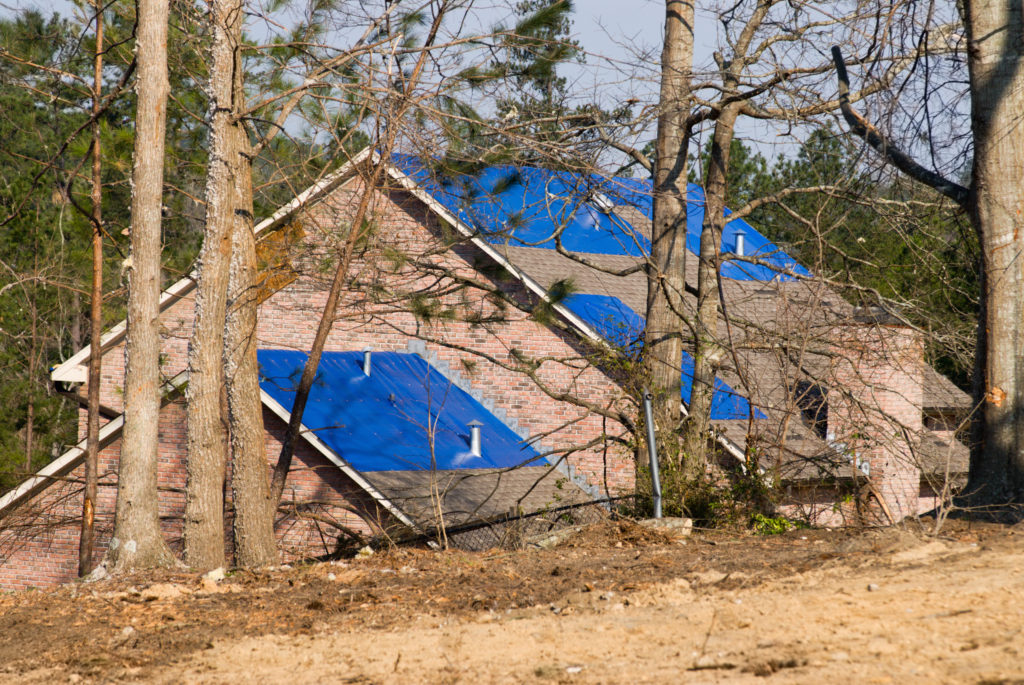
          tornado damaged house with a blue tarpaulin on the roof

          Options for Texas Homeowners

          Texas Fair Plan Association

          For those struggling to obtain coverage, the Texas Fair Plan Association (TFPA) offers a lifeline. Established by the Texas Legislature in 1995, TFPA provides basic property insurance for eligible Texas homeowners who are unable to secure coverage through the voluntary market.

          Considerations

          While TFPA can be a valuable resource, policies may come with limitations and higher premiums. Homeowners should carefully assess their coverage needs and explore all available options.

          Insurance Adjusters

          Legal Recourse and Support

          Understanding Your Rights

          If your insurance policy has been non-renewed or you are facing exorbitant premium increases, it’s crucial to understand your legal rights. Insurance companies are obligated to follow state regulations when making such decisions.

          How Chad T. Wilson Law Firm Can Help

          Our firm specializes in representing policyholders in disputes with insurance companies. We offer:

          • Free Consultation: Assess your situation with no obligation.
          • Expert Representation: Navigate the complexities of insurance law with seasoned professionals.
          • Contingency Basis: No fees unless we secure a recovery on your behalf.

          Steps to Take if Affected

          1. Review Your Current Policy: Understand the terms, coverage limits, and any notices of changes or non-renewal.
          2. Explore Alternative Insurance Options: Seek quotes from other reputable insurers still operating in Texas.
          3. Consult with an Attorney: If you believe your rights are being infringed upon, legal advice can provide clarity and direction.
          4. Stay Informed: Monitor communications from your insurer and stay updated on industry developments.

          Conclusion

          The decision by Progressive Insurance to halt new homeowners policies in Texas underscores the challenges facing the state’s insurance market. As natural disasters become more frequent and severe, homeowners must be proactive in securing adequate coverage and advocating for their rights.

          At Chad T. Wilson Law Firm, we are committed to assisting Texas homeowners during these uncertain times. If you have concerns about your insurance coverage or need legal assistance, please reach out to us.

          Contact Us Today

          Stay Protected. Stay Informed. We’re Here to Help.