
Chad T. Wilson – Resources
December 13, 2023
Updated: December 13, 2023 10:20 a.m.
Source: https://cwilsonlaw.com
What does your property insurance cover in the winter?
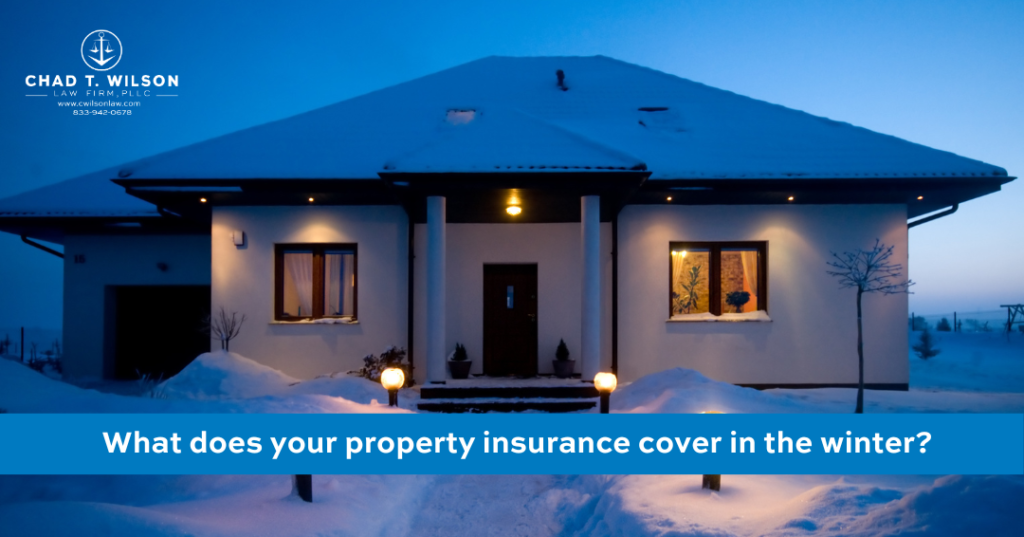
Now that winter is here, many homeowners and business owners are preparing for the damage that severe storms and low temperatures will do to their properties. According to Aon, insured losses from winter storms were around $6 billion in 2022, making it the second-highest year ever for such losses in the previous ten years. December 2022 saw the third most expensive winter storm since 1950, with $3.5 billion in insured losses. Flooding, ice, snow, and freezing are all parts of winter storms.
Expensive damage from snow, wind, ice, or water can result in expensive home insurance claims that raise your overall premium.
Most common home insurance claims in the winter:
Home insurance typically covers various risks associated with winter. Here are some common coverages:
Frozen Pipes
Coverage for damage caused by frozen pipes, including the cost of repairing the pipes and any resulting water damage.
Ice Dams
Coverage for damage resulting from ice dams on the roof, such as water leaks into the home.
Snow-Related Roof Collapses
Heavy snow accumulation can sometimes lead to the collapse of roofs, particularly in older or weaker structures.
Fire Damage
Coverage for fire incidents, which may be more common during the winter due to increased use of heating systems and fireplaces.
Damage from Fallen Trees or Limbs
Snow, ice, or strong winds can cause trees or branches to fall and damage homes or property.
Liability Coverage
Protection in case someone gets injured on your property due to winter-related conditions, such as slipping on ice.
Additional Living Expenses
Reimbursement for additional costs if you need to temporarily live elsewhere due to damage caused by a covered peril.
It’s critical to evaluate your specific policy and comprehend the scope of coverage it offers throughout the winter. Certain winter-related damages may be subject to exclusions or limitations under some policies.
Winter Damage Prevention Checklist:
Ascertain the insulation of your pipes
Before the temps drop below freezing, have a plumber do a precautionary check for you.
Examine the pipes in your crawl area, basement, and attic
These parts of the house usually have less insulation than other parts, making them more likely to freeze.
Adjust the thermostat to a minimum of 55 degrees
This precaution is especially crucial if you must leave your property unoccupied for an extended period of time.
Make your house weatherproof
Make that all of the holes in your building envelope, including windows, doors, and vents, are weathertight.
Set up alarms for low temperatures
Installing these in isolated, exposed, or susceptible locations with plumbing will maximize their usefulness.
Discharge the sprinkler and ground plumbing
This is very important to do before it gets cold outside.
Take a stroll around your home and check for exterior wall cracks
Your pipes may freeze and burst as a result of cold air seeping through these gaps. If there are any cracks, seal them with caulk or spray foam sealer, or have a reliable contractor fix them for you.
Invest in water flow monitoring and leak detection equipment
Basic leak sensors cost approximately $50. If these detect a leak, they will notify your computer or phone so you can take quick action to stop additional damage. Some more expensive systems will immediately turn off your water when they find a leak.
Cabinet doors should be open
When heating your home in the winter, keep the cabinet doors to the kitchen and bathroom open.
Turn on the water
Maintain a small amount of water circulating through your hot and cold water pipes in the event of extreme cold.
Every year, check the heating appliances
Get water heaters, furnaces, and boilers examined at least once a year, ideally in the fall.
Any nearby trees should be trimmed
It is vital to take this precaution before snow and ice weigh down branches and cause them to break.
Keep outside walkways and sidewalks clean
Remove snow and ice from stairwells, sidewalks, and pathways to lower the possibility of accidents and legal responsibility.
Is your claim being denied? Call The Chad T. Wilson Law Firm, PLLC.
Speak with one of our attorney if you’re having trouble getting your claim processed or if the insurance company is attempting to pay less for the claim than is reasonable.
Contact us: https://cwilsonlaw.com/contact-us/
Learn more about our attorneys:
https://cwilsonlaw.com/meet-the-team-chad-t-wilson-law-firm-pllc-insurance-attorney/
Follow us on Social media:
https://beacons.ai/chadtwilsonlaw